
Answering the question “which Hepa dust extractor is right for me?” this guide compares top models to help you choose based on your needs. Whether you’re a professional contractor, a DIY woodworker, or working in a shared shop, these picks cover portable units, high-capacity extractors, and quiet operation. The top five selections emphasize strong suction, automatic cleaning, and reliable HEPA filtration. Read on to find which model best fits your workflow, tools, and environment. A concise buying table follows to summarize key strengths for quick reference.
| Product | Best For | |
|---|---|---|
| DEWALT DWV010 | General workshop dust with tool-activation | Automatic filter cleaning, solid 150 CFM for versatility |
| Festool CT 15 | Professional carpentry and detailed dust control | HEPA filtration, auto-start, compact footprint |
| Bosch VAC090AH | OSHA-compliant dust collection with adjustable suction | Power Tool Activation and selectable suction |
| Fein Turbo I HEPA Pro | Quiet, clean filtration for indoor spaces | High suction (151 CFM) and tight noise profile |
| Dapper Supply | Heavy-duty drywall and jobsite cleanup | Auto-cleaning HEPA filter and robust 140 CFM |
DEWALT DWV010 HEPA Dust Extractor
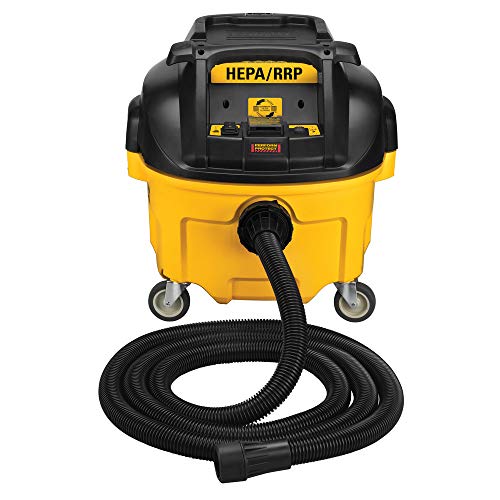
The DEWALT DWV010 is a compact, 8-gallon extractor designed for shop tasks that require reliable dust capture. It features an automatic filter cleaning system that pulses every 30 seconds, enabling continuous operation without manual filter maintenance. With a 15-amp motor delivering up to 150 CFM, this unit balances power and portability. It’s best for users who run handheld or stationary tools and want a straightforward, tool-activated workflow. A potential limitation is its smaller capacity compared to larger shop vacs when continuously running long projects.
Festool CT 15 Dust Extractor

The Festool CT 15 is a premium, HEPA-filtered extractor with automatic tool start and a robust auto-clean system. Its 3.96-gallon (15L) container reduces interruptions, making it ideal for frequent dust-producing tasks in carpentry and finishing shops. The unit’s high-quality build includes a compact footprint and steel axles for durability. Best for professionals who need consistent, clean air while maintaining mobility. Caution: Festool products typically command a higher upfront investment, which may be a consideration for budget-conscious buyers.
Bosch Vacuum Cleaner VAC090AH

The BOSCH VAC090AH delivers solid suction with a maximum of 150 CFM and up to 97 inches of water lift. It is designed to be compatible with power tool activations, letting you turn the vacuum on and off with the tool’s switch. Its OSHA-compliant features and adjustable suction make it a practical choice for workers who require compliance and adaptable performance. Choose this if you need tool-coordinated operation in a workshop or jobsite. Limitation: the unit’s complexity could require more setup time for new users.
Fein Turbo I HEPA Pro Set

The Fein Turbo I HEPA Pro Set provides 151 CFM suction with a compact 5.8-gallon capacity and a quiet operation level of 66 dB. It uses a HEPA filtration system suitable for dust class L applications, which is ideal when indoor air quality is a priority in woodworking, remodeling, or indoor projects. Best for environments where noise sensitivity and filtration quality matter. Caution: Feins units can have a higher price point and may require careful maintenance of filters and bags.
Dapper Supply Wet/Dry Dust Extractor

The Dapper Supply unit combines a robust 140 CFM airflow with an 8-gallon capacity and automatic filter cleaning every 25 seconds. Its HEPA filtration and 20 kPa suction handle heavy debris and wet spills, making it suitable for drywall, drywall finishing, and general cleanup on busy sites. Best for professionals who need strong, automatic filtration during mixed-material cleanup. Limitation: features can be dense, so initial setup may require time to optimize tool integration.
Buying Guide: What To Look For When Choosing a Hepa Dust Extractor
Filter performance matters most. Look for a true HEPA or equivalent filtration rated to capture fine dust particles and meet job-site air quality needs. Consider capacity and portability for your typical projects—larger tanks reduce frequent emptying but weigh more to move. Automatic filter cleaning helps maintain suction during long runs, but verify the cleaning interval fits your workflow. For tool-activated use, ensure the vacuum can start with your power tools without a separate switch. Finally, assess noise levels, build quality, and warranty coverage for long-term reliability.
Should I prioritize automatic filter cleaning or larger capacity?
Automatic filter cleaning is valuable for continuous operation when dust loads are heavy. Larger capacity reduces interruptions from emptying, but increases size and weight. If your workspace is space-limited, prioritize automatic cleaning with a moderate capacity.
What matters most for dust safety?
HEPA filtration (at least H13 level) and a sealed system limit fine dust exposure. For silica-heavy tasks, ensure compliance and proper filtration to protect workers and maintain air quality.
Is tool activation worth it?
Tool activation integrates dust collection with your power tools, starting the vacuum when the tool runs. It reduces dust exposure during cutting, sanding, and grinding, improving efficiency and cleanliness.
How important is noise level?
Quiet operation is beneficial for indoor use or environments where other workers are present. If you primarily work in a shared space, prioritize models with a lower decibel rating.
What about cost vs. value?
Premium models with HEPA filtration, robust build, and advanced features offer long-term value in professional settings. For hobbyists, mid-priced units delivering reliable filtration and decent suction may suffice.
Quick comparison table of key features
- DEWALT DWV010: 150 CFM, automatic filter cleaning every 30 seconds, 8-gallon capacity, tool-start integration.
FAQ
- What does HEPA filtration do in a dust extractor? It traps very fine particles to improve air quality and reduce inhalation risks during sanding and cutting.
- Are auto-clean features worth it for hobby use? They can reduce maintenance time and keep suction steadier, especially on dusty jobs.
- What’s a good CFM range for home shops? 120–150 CFM covers most woodworking tasks while keeping units portable.
- Can I connect dust extractors to multiple power tools? Yes, many models support tool activation or have separate inlets for multiple tools.
- Do I need big capacity for drywall work? For large drywall tasks, larger tanks reduce interruptions, though they may be heavier to move.
- Should I consider professional warranties? Yes, warranties can provide coverage for long-term use and wear-related issues in busy shops.