
Answering the question: which engine-driven welder best fits your needs depends on project size, mobility, and power features. This guide highlights five strong options, clarifying who each is best for and why. Ideal buyers include professionals needing reliable field work, hobbyists seeking portable power, and contractors who value balance between welding performance and generator output.
Summary of chosen products (quick comparison):
- Hobart Champion Elite 225: High continuous output, strong arc performance for sticks and larger jobs.
- Hobart Champion 145 Series: Lightweight, recoil start, good for small- to mid-range welding tasks.
- Tomahawk Welder Generator (120 A): Inverter-based, quiet power, decent duty cycle for portable jobs.
- Miller Bobcat 230: Robust power, US-made, strong generator-welder combo for demanding sites.
- YESWELDER 135A MIG/Stick/Lift TIG: Budget-friendly multi-process option for light-to-mid welding work.
Hobart Champion Elite 225 Engine-Driven Welder

Best for: Pros needing strong welding performance on larger jobs while maintaining portable power. This unit combines a 9,500-watt continuous AC output with a 10,000-watt peak generator, supporting extended welding sessions and auxiliary power needs.
Why selected: It offers smooth arc performance and reliable auxiliary power for on-site work, making it a top choice for demanding stick welding tasks while providing substantial generator capability.
Caution: The higher output makes this model heavier and less suited for extremely compact jobsites without proper handling equipment.
Engine-Driven Welder, Champion 145 Series

Best for: Home shop or small contractor work where portability and quick setup matter. This lighter unit provides solid welding capability with a simple recoil start and gas to support basic field tasks.
Why selected: The Champion 145 Series emphasizes ease of transport and quick starts, making it a practical choice for smaller, on-the-go welding jobs.
Caution: Made in the United States is noted, but users should verify availability of service networks for specific regions if traveling widely for work.
TOMAHAWK Welder Generator Stick Welder (120 Amp)
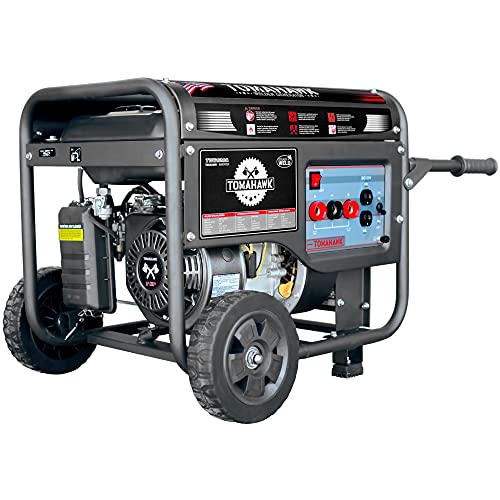
Best for: Portable field welding with quiet operation and reliable power for up to 120 amps. Suitable for small-to-mid-size repairs and maintenance tasks away from a power grid.
Why selected: It combines welding capability with a 2,200-watt inverter generator, offering stable power for welding and tools while keeping noise levels manageable.
Caution: Check the duty cycle for heavy-duty welding sessions; compact units can heat up faster under sustained loads.
Miller Electric Bobcat 230 Engine Driven Welder
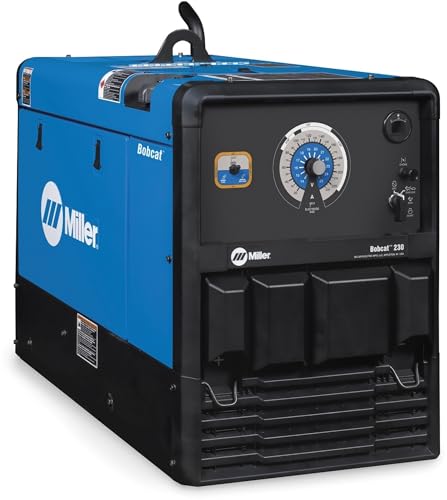
Best for: Professional contractors needing a durable, American-made engine-driven welder with strong gas-powered welding performance for mid-to-large projects.
Why selected: The Bobcat 230 is a proven workhorse favored in heavy-duty environments, combining robust welding capability with a dependable generator system.
Caution: Availability and service coverage can vary by region; verify nearby support before purchase.
YESWELDER 135A MIG Welder (3-in-1)
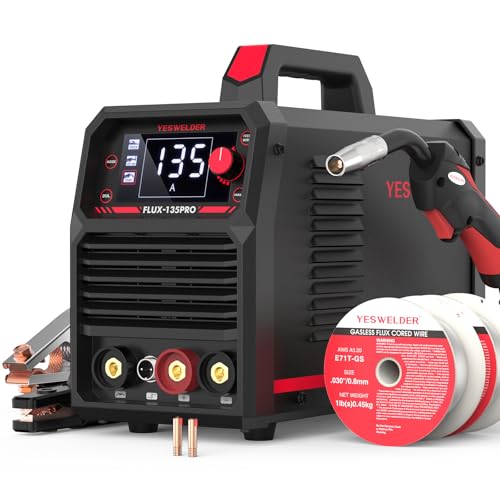
Best for: Budget-conscious buyers seeking a versatile, multi-process welder for light MIG, stick, and occasional TIG tasks. Suitable for beginners and small shop projects.
Why selected: Its multi-process capability and synergic control provide a capable entry point for users exploring MIG, flux-core, and stick welding in one unit.
Caution: As a budget option, performance and durability may not match premium models under heavy daily use.
Buying Guide
What to consider when choosing an engine-driven welder
- Welding power vs. generator output: Match amperage needs to typical workpieces with your generator’s continuous wattage.
- Duty cycle: Higher duty cycles reduce overheating during long welds; choose based on project length and cadence.
- Portability and weight: Heavier units require proper transport planning on job sites.
- Fuel type and availability: Gasoline engines are common; propane or LPG options can offer cleaner operation in some settings.
- Start method and ease of use: Recoil starts are common, but remote starts or electric starts add convenience on busy jobsites.
- Warranty and service network: A strong service network minimizes downtime on remote projects.
- Multi-process capability: If you plan to switch between MIG, stick, TIG, or flux-core, a 3-in-1 unit provides flexibility.
- Noise and emissions: In urban or residential sites, consider quieter models and those meeting local emission standards.
Head-to-head considerations
- Best for heavy-duty field work: Hobart Champion Elite 225 offers robust output and strong arc performance.
- Better for portability: Hobart Champion 145 Series or Tomahawk 120 A balance weight and capability.
- Choose this if you need a durable, all-purpose unit: Miller Bobcat 230 delivers strong performance and reliability.
- Budget-friendly multi-process option: YESWELDER 135A provides flexibility for light to mid work at a lower price point.
Practical tips for use and maintenance
- Regularly check fuel and oil levels before each job; follow manufacturer intervals for service.
- Store units in a sheltered area to minimize weather-related wear on covers and components.
- Maintain correct fuse and breaker ratings in welding setups to protect both welder and accessories.
FAQ
- What is the difference between peak and continuous watts on these welders? Peak watts indicate maximum transient power, while continuous watts reflect sustained output for longer welding sessions.
- Can I run this welder on propane? Some engines support propane, but verify model specifications and spare parts availability.
- Is a multi-process welder necessary for most jobs? For hobby work, a multi-process unit can offer flexibility; for heavy stick-focused work, a dedicated welder may be preferable.
- Do these units include welding leads and accessories? Some listings provide basic cables; verify what is included in your chosen package.
- How important is duty cycle in field work? Higher duty cycles reduce overheating risk during longer welds, which is critical for continuous fabrication tasks.
- Should I prioritize American-made units? American-made models often emphasize service networks and parts availability, which can be important on remote sites.