
Choosing the right self-leveling products and tools can simplify concrete floor repairs, underlayment, and resurfacing projects. Below is a curated guide to top self-leveling concrete solutions and complementary tools, including quick-setting resurfacers, sealants, and spike rollers that help smooth, level, and finish floor surfaces efficiently. The selections emphasize performance, ease of use, and compatibility with common subfloors and underlayments.
| Product | Brand | Key Benefit | Typical Use |
|---|---|---|---|
| Rapid Patch Self-Leveling Resurfacer | Rapid Patch | Fast-setting, high strength over 8,000 psi | Underlayment for tile, stone, carpet; resurfacing |
| 3M Concrete Repair Self-Leveling | 3M | Quick tack-free cure; paintable and versatile | Expansion joints and cracks in concrete surfaces |
| Abatron Abocrete Kit | Abatron | Structural patching and rebuilding; low VOC | Concrete repair, leveling, and crack filling |
| ROLLINGDOG Spike Roller Kit | ROLLINGDOG | Air bubble removal for smooth epoxy/self-leveling coats | Self-leveling epoxy and cement coatings |
| BTYCityMao Self-Leveling Tool Kit | BTYCityMao | All-in-one kit with adjustable pole and spike components | Floor construction and epoxy leveling projects |
Note: The products above cover direct self-leveling compounds, sealants and fillers, as well as essential leveling tools to achieve a smooth, durable surface. Images and product links are provided for reference and comparison.
Rapid Patch Self-Leveling Resurfacer

The Rapid Patch resurfacer serves as both a resurfacer and an underlayment for concrete floors. It is designed to resurface irregular surfaces, creating a flat base suitable for tile, stone, carpet, or other floor coverings. The product is described as fast-setting, typically routing to a 40–60 minute set time with foot traffic achievable in 2–3 hours. It also claims strength of over 8,000 psi after 28 days, indicating strong long-term performance for commercial and residential applications where durability matters. Use cases include leveling before tile installation or repairing worn concrete slabs that require a stable, uniform foundation.
Key considerations include surface preparation, the required primer if specified, and the compatibility with existing coatings. For best results, follow the manufacturer’s mixing ratios and curing conditions, and ensure proper ventilation during application and curing.
9 Inch Spike Roller Self Leveling Roller

This kit includes a 9-inch spike roller with a handle and spiked shoes, designed to help eliminate bubbles and smooth edges when applying self-leveling compounds or epoxy coatings. The roller’s 0.5 inch (13 mm) teeth height and 9-inch width support efficient coverage, while spike shoes provide a conduit to move across freshly poured formulations without marring the surface. The kit’s spike shoes are made from durable polypropylene, offering solvent resistance, and the setup includes a snap-lock buckle system for secure fit. This tool helps achieve a more uniform surface by removing air pockets that can compromise the final finish.
When using spike rollers, consider working in sections, maintaining a consistent rolling pattern, and avoiding long delays between passes to minimize newly formed ridges. Protective gear, such as gloves and eye protection, is recommended, as is testing on a small area before full-scale use.
SIKA Sikaflex Self-Leveling Sealant

SIKA Sikaflex Self-Leveling Sealant is a gray polyurethane sealant designed for self-leveling applications, particularly in concrete expansion joints and similar joints. It cures quickly, achieving tack-free status within a couple of hours and a full cure in less than a week. The material is described as waterproof and paintable once cured, allowing for subsequent finishing steps such as painting, staining, or sealing. While not a standalone leveling compound, it provides critical sealing capability in concrete floor projects, reducing moisture ingress and improving long-term durability of joints and connections.
Considerations for use include substrate condition, joint width, temperature and humidity during cure, and compatibility with coatings or paints intended for the finished surface. Proper joint preparation and backer rod use (if required) can enhance performance.
Abatron Abocrete Kit

The Abocrete Kit from Abatron focuses on structural patching, bonding, leveling, and rebuilding concrete surfaces. It is designed to fix pitted, spalled, worn, or cracked concrete and is suitable for salt damage repairs, floors, steps, and other rigid surfaces. The kit is noted for permanent repairs, as the self-leveling epoxy compound can bond broken pieces and fill voids, resulting in durable restoration of concrete surfaces. It also highlights environmental considerations, being GREENGUARD certified with low VOC content and minimal odor, making it a safer option for indoor use.
Key usage notes include proper surface preparation, ensuring the substrate is clean and sound, and following mixing and curing guidelines. Because it is an epoxy-based system, adequate ventilation and PPE are recommended during application and curing. The kit is well-suited for users seeking long-term repair solutions with responsible environmental attributes.
ROLLINGDOG Spike Roller Kit for Self Leveling

This spike roller kit from ROLLINGDOG includes a 9-inch spike roller and complementary components designed to assist self-leveling cement and epoxy floor coatings. The kit emphasizes removing air bubbles and achieving an even coating, which contributes to a smooth final finish. The included roller frame is described as heavy-duty with an ergonomic grip, and the bottom line highlights the spike roller cover’s tendency to minimize trapped air pockets in freshly applied coatings. The kit is positioned for professionals and DIYers seeking efficiency and a quality finish.
Practical usage tips include choosing the appropriate spike height for the material being leveled, maintaining consistent pressure, and ensuring compatible curing times with the coating system used. Store and clean tools according to manufacturer recommendations to extend lifespan.
Spike Roller With Adjustable Pole Kit
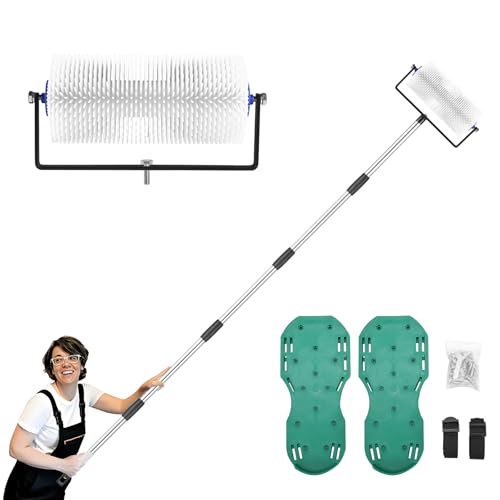
From Woxnoc, this all-in-one self-leveling kit combines a 9-inch spiked screed roller, a long adjustable stainless steel extension pole, spike shoes, and related mounting components. The adjustable pole—from 34 to 77 inches—enables finishers to work while standing, reducing back strain on large areas. The included spike shoes feature 13 x 3/4 inch tips for effective air removal and a secure strap system to keep the shoes in place during movement. The set is designed for leveling concrete floors, epoxy floor coatings, and floor leveling compounds, delivering an integrated solution for efficient workflows.
When using such a kit, verify pole assembly integrity, test fitment with the leveling compound, and follow safety protocols for working with liquid coatings. Proper storage of components and drying times between passes support consistent results across expansive surfaces.
BTYCityMao Self-Leveling Tool Kit

The BTYCityMao self-leveling tool kit is marketed as a comprehensive set for floor construction and epoxy leveling. It emphasizes an adjustable threaded pole for smoother operation, aiming to reduce the need for tempering or re-adjustment during use. The kit provides details on rake tooth height (5 mm) and nail spike length (3 mm), as well as long and short roller brushes with specified tooth heights, illustrating a thoughtful approach to controlling texture and flow in leveling applications. This kit is positioned as a reliable option for users seeking a complete, time-saving solution for floor leveling projects.
Key considerations include ensuring tool compatibility with the chosen leveling compound, evaluating the length of the pole for working height, and confirming that all components are properly maintained and cleaned after use to preserve component life.
Buying Guide
- Product type and scope: Distinguish between self-leveling compounds (underlayments and patch/resurfacing products) and accessories (spike rollers, extension poles, and sealants). Choose products that align with your project needs, such as underlayment for tile vs. cracks and spalls repair.
- Setting and cure times: Look for products with clear setting windows. Fast-setting options save time but may require precise mixing and temperature conditions. Consider whether you need a quick tack-free surface or full cure before traffic or coating application.
- Strength and durability: For resurfacing and underlayment, verify psi strength and long-term durability. Higher psi ratings generally indicate more robust floors suitable for commercial spaces or high-traffic areas.
- Surface preparation and bonding: Evaluate required surface prep, priming, or bond-agent compatibility. Proper prep influences adhesion and performance of self-leveling products and sealants.
- Ventilation and safety: Many epoxy and polyurethane products emit fumes during application and curing. Ensure adequate ventilation and use appropriate PPE, especially for enclosed spaces.
- VOC content and environmental considerations: GREENGUARD or low-VOC formulations can reduce odors and improve indoor air quality. This is especially important for residential projects and occupied spaces.
- Tools and workflow: Spike rollers, extension poles, and nail shoes enable air bubble removal and smoother finishes. Choose tools with ergonomic designs and compatible components to minimize user fatigue on larger projects.
- Coatings compatibility: If you plan to paint, stain, or seal after leveling, confirm that the chosen product accepts coatings well and does not hinder subsequent finishes.
- Cost and accessibility: Compare product coverage, cure windows, and ease of use. For larger jobs, kit-based solutions can offer convenience and reduced setup time, while individual components may save costs for smaller tasks.
In summary, a blend of fast-setting resurfacer products, robust sealants for joints, and reliable leveling tools provides a comprehensive approach to achieving smooth, durable concrete floors. Always follow manufacturer instructions for preparation, mixing, application, and curing, and evaluate environmental and safety considerations when selecting products for your space.