
Choosing the right electric orbital sander can make finishing tasks smoother, faster, and more precise. This guide reviews five top models commonly found in American tool collections, focusing on balance between power, ergonomics, dust management, and versatility. Each product section highlights core features, performance notes, and suitability for different materials and project types. The buying guide at the end helps you weigh speed, pad size, and dust collection options to fit your workshop needs.
| Product | Brand | Key Benefit |
|---|---|---|
| DEWALT Orbital Sander Kit, 5 inch, 3 amp | DEWALT | Low vibration, close-to-workpiece access |
| GALAX PRO 5” Orbital Sander, 280W | GALAX PRO | High speed with built-in dust collection |
| DEWALT 5-Inch Palm Sander, 12,000 OPM | DEWALT | Compact, consistent performance |
| BOSCH GET75-6N, 6-Inch Sander | BOSCH | Multi-hole pad and dual-mode operation |
| HYCHIKA 5-Inch Random Orbital Sander | HYCHIKA | Six speeds, included sanding discs, efficient dust bag |
DEWALT Orbital Sander Kit, 5 Inch

The DEWALT DWE6421K offers a 3.0 amp motor delivering 12,000 OPM with a compact 5-inch pad. Its short height helps users reach tight corners and edges, while a separate counterweight design reduces vibration for longer comfortable operation. This model is well-suited for finishing tasks on wood surfaces, cabinetry, and trim. The kit typically includes essential sanding pads and a dust-collection solution, enabling cleaner work spaces. A balanced power-to-weight ratio makes it a reliable choice for DIY enthusiasts and professionals tackling mid-scale projects.
GALAX PRO 5” Orbital Sander
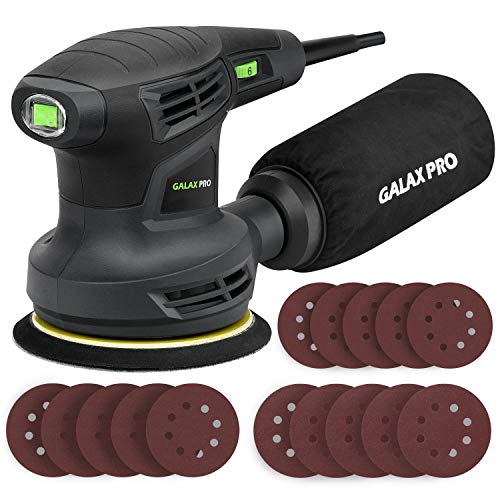
This GALAX PRO model uses a 280W motor capable of up to 13,000 OPM, combining speed with a 125 mm (5 inch) sanding pad for larger surface coverage. Built-in dust collection helps maintain visibility and reduces cleanup. It’s effective for smoothing rough wood, removing paint or varnish from various materials, and is accessible for beginners while still offering enough power for more ambitious tasks. The dust system and broad sanding capacity make it a strong option for projects involving furniture refinishing or large wooden panels.
DEWALT Orbital Sander, 5 Inch Palm Sander
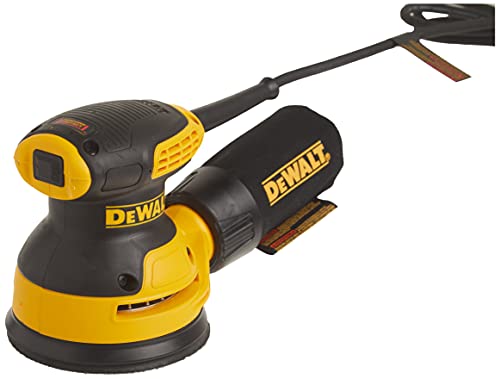
DEWALT’s 5-inch palm sander brings a 12,000 OPM rating with a 3.0-amp motor in a compact form. The reduced height design allows close-in sanding to contours and edges, contributing to precision work on trim, molding, and smaller projects. A counterweight system minimizes vibration, which supports steadier control during extended sessions. This model is ideal for users who prioritize a lightweight tool with reliable speed control and DEWALT’s established durability in workshop environments.
BOSCH GET75-6N Electric Orbital Sander
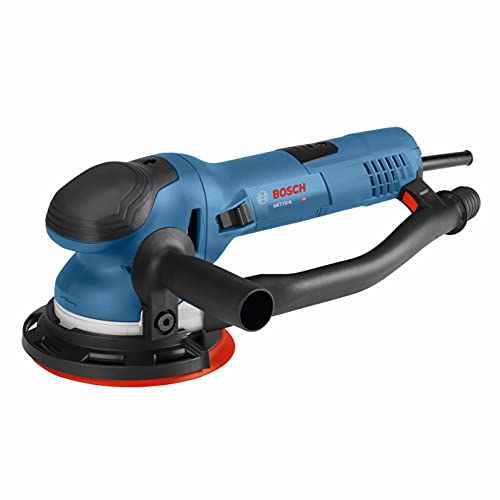
BOSCH offers a 6-inch sanding option with multi-hole pad compatibility and dual-mode operation. The random orbit mode is suitable for normal stock removal and fine finishing, while the turbo mode delivers aggressive stock removal at a faster rate. This flexibility makes the BOSCH GET75-6N a strong pick for users who blend rough prep with final finishing in a single project, especially on larger surfaces where dust management and finish quality matter.
HYCHIKA 5-Inch Random Orbital Sander

The HYCHIKA model provides six variable speeds ranging from 6000 to 13000 RPM, with a 2.5A motor and a 5-inch pad. It includes 12 sanding discs and a dust bag, offering a complete starter kit for woodworkers seeking adjustable speed control and convenient dust collection. Hook-and-loop disc changes simplify workflow, while the wide speed range supports tasks from rough material removal to fine finishing on wood and soft metals.
DEKOPRO 5-Inch Random Orbital Sander

DEKOPRO’s 5-inch sander operates up to 14,000 RPM with six speeds, offering versatility for wood and metal sanding. The hook-and-loop design enables rapid disc changes, and the included detachable dust bag aids in keeping the work area cleaner. Its compact build is suitable for detailed work, edges, and corners, with enough power for medium-duty tasks in home workshops and hobbyist projects.
Buying Guide: Key Purchase Considerations
- Pad size and surface area: A 5-inch pad is common and works well for furniture, doors, and panels. Larger pads (6 inches) cover more area but can be harder to control in tight corners.
- Power and speed range: A motor between 2.5A and 3.0A with a broad RPM range (6,000–13,000) supports a balance of material removal and finish quality. Higher RPM helps with faster stock removal but may require more control on delicate surfaces.
- Vibration and ergonomics: A low-vibration design with a counterweight or cushioned handle improves comfort during longer sessions and reduces user fatigue.
- Dust collection: Integrated dust ports or bags help maintain visibility and reduce cleanup. A system compatible with a standard vacuum increases overall dust control.
- Versatility vs. specialization: Dual-mode or turbo options provide aggressive stock removal for rough prep and fine finishing for smooth surfaces. For mixed projects, a dual-mode or well-rounded model often pays off.
- Durability and maintenance: Look for metal housings or robust plastics, reliable switches, and readily available replacement pads/discs. Brushless motors can offer longer life and efficiency in cordless models.
Comparative Perspectives
- Corded vs. cordless: Corded models deliver consistent power without battery constraints, while cordless options offer mobility and safer use in remote or elevated locations. For most home projects, a corded sander remains cost-effective and reliable.
- Dust management: For projects in enclosed spaces or with lighter finishes, solid dust collection improves air quality and finish visibility. In dusty environments, a vacuum-connected system is highly advantageous.
- Finish quality: Random-orbit sanding provides good surface finish with minimal swirl marks, whereas turbo or dual-mode options expedite rough work but require careful control for a uniform finish.
In summary, the five selected sanders provide a spectrum of capabilities—from DEWALT’s compact, vibration-reducing models to BOSCH’s flexible dual-mode option, HYCHIKA’s budget-friendly versatility, and DEKOPRO’s higher RPM range. Your choice should align with project size, preferred finish quality, and whether you prioritize a built-in dust system or speed variability. Regardless of the model, matching discs to the material and maintaining consistent technique will yield the best results for any home workshop.