
Winter workshops and cold garages demand dependable heat. This guide highlights five high-efficiency gas garage heaters that balance performance, safety, and ease of installation. From compact units to robust commercial options, these selections cover natural gas and propane needs, venting options, and installation considerations. Use the buying guide to compare features and choose the best fit for your space and budget.
| Product | Brand | BTU | Coverage | Vent/Notes |
|---|---|---|---|---|
| Mr. Heater F260550 Big Maxx MHU50NG | Mr. Heater | 50,000 | Up to 1,250 sq. ft. | Vertical or horizontal venting; outside thermostat access |
| Mr. Heater F260560 Big Maxx MHU80NG | Mr. Heater | 80,000 | Up to 2,000 sq. ft. | Vertical or horizontal venting; thermostat access |
| Modine HD45AS0111 Natural Gas Hot Dawg | Modine | 45,000 | Residential, commercial use | Low profile; quiet operation |
| Mr. Heater F272800 MH40NG | Mr. Heater | 40,000 | Typical garages with 12–15 ft ceilings | Infrared heat; specific clearances |
| ProCom MN300TBA-B | ProCom | 30,000 | Up to 1,400 sq. ft. | Wall or floor mount options |
Mr. Heater F260550 Big Maxx MHU50NG
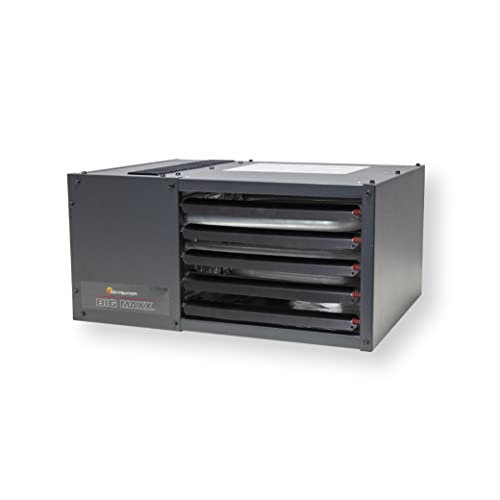
The 50,000 BTU unit from Mr. Heater is designed to heat larger garage spaces efficiently. It supports vertical or horizontal venting and provides easy outside access to thermostat and gas connections, simplifying servicing and installation. This model is suitable for spaces up to about 1,250 square feet, making it a strong option for mid-sized workshops or two-car garages. Consider venting requirements and clearances to ensure optimal and safe operation.
Mr. Heater F260560 Big Maxx MHU80NG
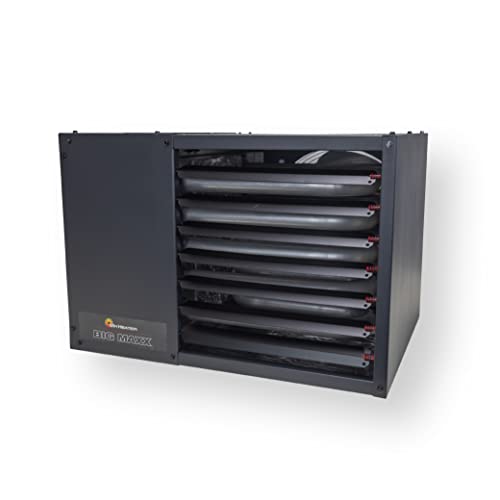
The Big Maxx MHU80NG delivers 80,000 BTU for larger spaces, with coverage suitable for up to 2,000 square feet. It includes practical venting options (vertical or horizontal) and accessible thermostat/gas connections from the outside, which can simplify maintenance. This model benefits larger workshops, barns, or well-insulated garages requiring robust heat output. Ensure adequate venting and electrical supply for reliable operation.
Modine HD45AS0111 Natural Gas Hot Dawg
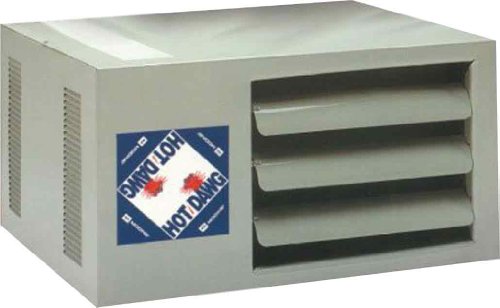
Modine’s HD45AS0111 Hot Dawg model emphasizes quiet operation and a low-profile design suitable for residential, commercial, and industrial use. It combines compact form with reliable output, making it a versatile choice for garages with limited space or lower ceilings. The unit’s efficiency and durable construction are important considerations for long-term garage heating without intrusive noise.
Mr. Heater F272800 MH40NG

The MH40NG provides 40,000 BTU of infrared heat to quickly warm up garage spaces, particularly those with ceilings around 12–15 feet. Its clearances and installation requirements should be evaluated to ensure safe operation. Infrared heaters heat objects and people directly, which can yield fast comfort in drafty garages and workspaces. This model is a practical option for moderate-sized spaces needing immediate warmth.
ProCom MN300TBA-B Ventless Blue Flame

This 30,000 BTU ventless blue flame heater from ProCom provides space heating up to 1,400 square feet. It includes thermostat control and mounting options for wall or floor placement. Ventless operation simplifies installation in spaces where venting may be difficult, but ensure proper CO safety and room ventilation. Its slim profile makes it suitable for tight garages or utility rooms where space is at a premium.
Buying Guide
- Ventilation and venting options: Decide between vented and ventless units. Vented models require ducting but offer safer exhaust management, while ventless units are easier to install but demand adequate room ventilation.
- Space assessment: Calculate square footage and ceiling height to match BTU ratings. Oversized units can lead to overheating, while undersized heaters struggle to maintain comfort in cold spaces.
- Fuel type and connections: Confirm natural gas versus propane, and ensure proportional gas supply and regulator compatibility. Some units include conversion kits for propane use.
- Installation considerations: Check clearances from walls, ceilings, and combustibles. Consider mounting options (ceiling, wall, or free-standing) and whether thermostat access is external or internal.
- Noise and comfort: For residential garages, quieter models may be preferred, particularly if the space doubles as a workshop or studio. Infrared heaters offer fast warmth to objects and occupants but may have different heat distribution profiles.
- Safety features: Look for oxygen depletion sensors, automatic shut-off mechanisms, and child/pet safety considerations. Ventless models require continuous ventilation and CO monitoring in some spaces.
- Maintenance and reliability: Favor reputable brands with durable components and readily available replacement parts. Periodic vent cleaning and burner inspections help maintain efficiency.
- Energy efficiency and operating costs: Compare BTU output to area needs with efficiency ratings in mind. Higher efficiency reduces fuel consumption, especially in frequent use scenarios.
The right garage heater should align with space size, venting feasibility, fuel access, and safety requirements. When evaluating options, note the BTU capacity, venting options, and installation ease to ensure consistent warmth across the work area without compromising safety or comfort.