
Choosing the best steel for blades is essential for both professional and everyday cutting tasks. Whether you need razor-sharp edges for shaving, durable replacement blades for utility knives, or specialized saw blades for metal and meat cutting, the quality of the steel determines performance, longevity, and resistance to wear and corrosion. Below is a summary table of highly rated blades made from premium steel types, optimized for different cutting needs.
| Product | Brand | Type of Steel | Main Use |
|---|---|---|---|
| Bates Single Edge Razor Blades | Bates Choice | Stainless Steel | Precision straight edge cutting |
| Bates Snap-Off 9mm Blades | Bates Choice | High-Grade Stainless Steel | Utility knives with snap-off segments |
| 12 Inch Stainless Steel Reciprocating Saw Blades | MRCGTCE | Unpainted Stainless Steel | Food and meat cutting |
| Diablo STEEL DEMON Saw Blade | Freud | Cermet II (Ceramic-Metal Composite) | Metal and stainless steel cutting |
| EZARC Carbide Reciprocating Saw Blades | EZARC | Carbide-Tipped Steel | Heavy metal and alloy cutting |
Bates Single Edge Razor Blades – Stainless Steel Precision

The Bates Single Edge Razor Blades pack contains 100 razor-sharp blades made of stainless steel, known for its corrosion resistance and ability to maintain a keen edge. Each blade provides precision cutting ideal for tasks requiring clean, straight cuts. Their stainless steel construction ensures durability and long-lasting sharpness, making them suited for both hobbyist and professional use. The blades are meticulously crafted to deliver consistent performance while resisting wear from repeated use.
Bates Snap-Off Blades 9mm – Sharp Stainless Steel Utility Blades

The Bates Snap-Off Blades come in a convenient pack of 100 pieces, each 9mm wide and made of high-grade stainless steel. Designed for utility knives, these blades allow users to maintain sharpness effortlessly by snapping off dull segments. Their corrosion-resistant steel supports use in various environments, including outdoor projects. The snap-off feature extends the blade’s lifespan, keeping cuts clean and efficient for detailed work or general utility tasks.
12 Inch Stainless Steel Reciprocating Saw Blades for Meat Cutting

This set of five 12-inch saw blades by MRCGTCE is constructed from unpainted stainless steel, designed specifically for meat and food cutting applications. Their 3 TPI (teeth per inch) big tooth configuration cuts through frozen meat, bone, and large animals effectively. The stainless steel material ensures high rust resistance, essential for food safety and easy cleaning. These blades facilitate faster and more efficient butchering with an emphasis on hygiene and durability.
Diablo D0748CF STEEL DEMON 7 1/4″ Cermet Saw Blade

The Diablo STEEL DEMON saw blade combines cermet II technology—a ceramic and metallic composite—offering exceptional heat tolerance and hardness. This increases blade life by up to 25 times compared to grinding discs. It produces cooler cuts, reducing metal discoloration. With 48 carbide teeth, it provides up to 10 times faster cutting in metals and stainless steel. This blade is ideal for precise and productive metalwork requiring sharpness and durability.
EZARC Carbide Reciprocating Saw Blades for Thick Metals
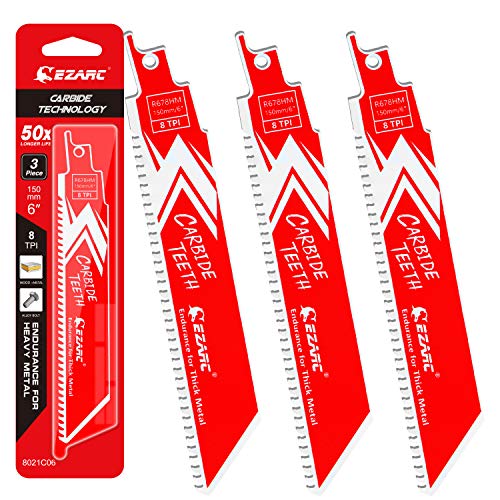
The EZARC Carbide Reciprocating Saw Blades use advanced carbide technology to outperform traditional bi-metal blades by up to 50 times in lifespan. The 8 teeth per inch design is optimized for cutting thick metals like cast iron, alloy steel, rebar, and hardened stainless steel. These blades ensure smooth performance and superior cutting strength in industrial and heavy-duty applications. Their carbide tip enhances resistance to wear and heat, delivering reliable cuts in challenging materials.
Buying Guide For Choosing The Best Steel Blades
Steel Type and Composition
The steel grade is critical for blade performance. Stainless steel offers corrosion resistance and general durability, ideal for food and precision blades. Specialized steels like cermet composites and carbide-tipped steels provide enhanced hardness and heat resistance, crucial for heavy metal cutting and industrial use.
Blade Design and Application
Blades vary by their intended use—razor blades for shaving require ultra-sharp, thin edges, while reciprocating saw blades need robust teeth and strength for cutting bone or metal. Consider blade thickness, teeth per inch (TPI), and shape based on your tasks.
Durability and Wear Resistance
Look for blades with coatings or composite materials that extend cutting life and resist wear. Platinum or cermet coatings enhance longevity and reduce blade changes, improving productivity.
Corrosion Resistance
Especially important for blades exposed to moisture or food, stainless steel variants offer excellent rust prevention. Carbide tips and composite teeth also resist corrosion, making them ideal for demanding environments.
Blade Maintenance and Convenience
Snap-off blades allow quick edge renewal without replacing the entire blade, saving time and money. Packaging with dispensers or cases improves safety and blade storage. Consider ease of replacement and handling.
Cutting Efficiency and Speed
Blades that combine sharpness with design efficiency reduce cut time and effort. Cermet and carbide blades typically offer faster, cleaner cuts when compared to standard steel blades, especially on tough materials.