
Looking for roofing work boots that offer grip, protection, and all‑day comfort? This guide highlights five top options suited for roofers, contractors, and DIY enthusiasts who spend long hours on ladders, pitched surfaces, and scaffolds. Each pick targets essential roofing tasks: slip resistance, toe protection, stability, and enduring comfort. The top picks are ideal for those who want reliable footwear without sacrificing mobility or support. The table below summarizes the featured products to help you compare at a glance.
| Product | Best For | Key Feature |
|---|---|---|
| Furuian Steel Toe Boots | High protection on rough roofs | Insulated steel toe with puncture‑resistant midsole |
| Timberland PRO 6 Inch Moc Soft Toe | All‑day comfort and electrical safety | 24/7 Comfort System and EH protection |
| NORTIV 8 Composite Toe Boots | Lightweight support with nano toe | Nano composite toe and durable upper |
| Ever Boots Tank Leather Work Boots | All‑purpose, durable leather | Soft toe, oil‑full grain leather, Goodyear welt |
| Wolverine Overpass 6″ Mid | Waterproof and flexible movement | Premium waterproof leather, cushioned footbed |
Furuian Steel Toe Boots for Men Women

Best for: Roofers who need durable toe protection and reliable puncture resistance. These boots feature a European ASTM F2413‑18 steel toe cap and a multi‑layer sole that helps guard against sharp objects on roof decks and nails. The anti‑puncture midsole adds an extra layer of protection for long days on hard surfaces.
Why selected: The combination of a steel toe with puncture protection makes these boots well suited to roofing environments where nails and debris are common. The slip‑resistant design aids stability on slick or dusty roof surfaces.
Caution: Limited information on all‑day cushioning; consider pairing with orthotic insoles if you stand for extended periods.
Timberland PRO Men’s Pro Wedge 6 Inch Moc Soft Toe
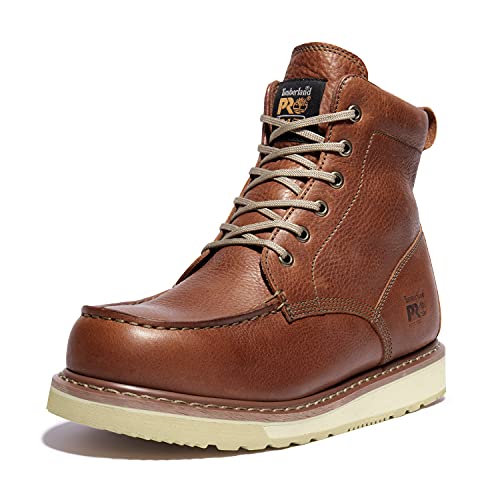
Best for: Professionals needing all‑day comfort and electrical hazard protection in a rugged boot. Timberland PRO’s 24/7 Comfort System supports the arch and reduces fatigue, while electrical hazard protection helps guard against live circuits on job sites.
Why selected: The combination of comfort and safety features makes this a strong choice for long roofing days, especially when working near electrical components or energized equipment.
Caution: Some users may prefer a higher or stiffer toe for extreme impact environments; this model focuses on comfort without compromising safety.
NORTIV 8 Composite Toe Boots
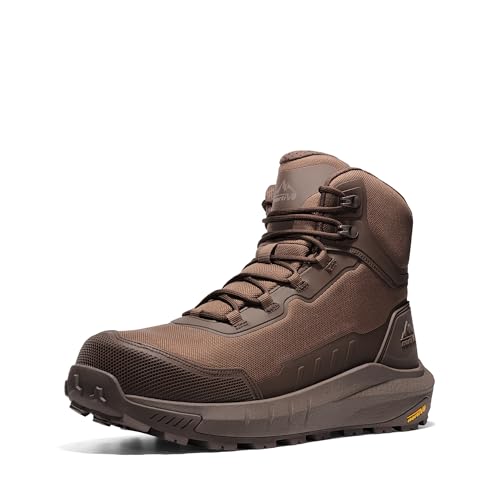
Best for: Roofers seeking lightweight protection without sacrificing durability. These boots use a nano composite toe and a wear‑resistant nylon upper with a TPU structure for rugged work environments.
Why selected: The lightweight design reduces fatigue during long climbs and shifts, while the nano toe provides robust toe protection. Outer materials are designed to withstand demanding work conditions on roofs and ladders.
Caution: Some users may miss the lateral stiffness of a traditional steel toe; consider intended use and comfort preferences before choosing.
EverBoots Mens Work Boots, Leather Lightweight

Best for: Roofers needing a versatile, everyday work boot with water‑resistant leather and a durable build. The Goodyear welt and steel shank contribute to support on uneven roofing surfaces.
Why selected: The leather upper and anti‑fatigue features support extended roofing tasks, indoors or outdoors, with a focus on durability and style.
Caution: Soft toe models may offer less impact protection than steel or composite toes; verify safety requirements for your worksite before selecting this pair.
Wolverine Overpass 6″ Mid Composite Toe

Best for: Roofers who need a flexible, waterproof boot with a cushioned interior for long shifts and exposure to wet conditions. The composite toe provides protection without adding as much weight as steel toes.
Why selected: Waterproof leather and a cushioned insole support extended use on wet or humid roofing surfaces, while the flexible welt construction helps movement on ladders and steep surfaces.
Caution: While waterproof, ensure seams are intact; prolonged moisture exposure can affect fit and comfort if the boot isn’t properly maintained.
Buying Guide: Roofing Boot Essentials
What should I look for in roofing boots?
Key factors include toe protection (steel, composite, or soft toe), slip resistance, waterproofing, and midsole support. Roofing tasks involve ladders, steep pitches, and varied temperatures, so you want a boot that protects your toes, resists slips on slick shingles, and remains comfortable for long days. Look for a durable upper, a well‑padded collar, and a supportive insole.
How important is slip resistance for roofing?
Extremely important. Roofing surfaces can be wet, dusty, or oily. Boots with specialized tread patterns and slip‑resistant compounds reduce the risk of slips and falls, even on damp asphalt and metallic roofing decks.
Where does weight matter in roofing boots?
Weight affects fatigue and mobility. Lighter boots with solid toe protection are ideal for days with extensive climbing, while heavier boots may offer greater protection in hazardous environments. If you work long shifts, prioritize lightweight comfort without compromising safety.
What about electrical hazard protection?
Electrical hazard (EH) ratings protect against live electrical circuits on work sites. If you encounter electrical components, choose boots with EH features for additional safety and peace of mind.
How should I choose between steel and composite toes?
Steel toes offer maximum protection but add weight. Composite toes are lighter and do not conduct electricity, which can be beneficial on some sites. For roofing where weight and movement matter, composite toes can be a practical alternative, while steel toes remain the go‑to for maximum impact protection.
How to care for roofing boots?
Keep boots clean and dry, inspect seams and soles regularly, and condition leather if applicable. Use boot trees or stuff with paper to maintain shape, and replace insoles as needed to preserve comfort and support on long shifts.
Which boot should a roofing professional choose?
Consider your typical roofing tasks: if you face exposed nails and sharp debris, prioritize puncture resistance and a stiff, protective toe. If you work in wet conditions, prioritize waterproofing and slip resistance. If you spend long hours on ladders, weight and arch support become crucial.
Summary comparison of the five selected boots
- Furuian: Strong toe protection and puncture resistance; best for high‑risk nail exposure.
- Timberland PRO: Excellent all‑day comfort and EH protection; ideal for workers near electrical hazards.
- NORTIV 8: Lightweight nano toe with durable upper; best for fatigue reduction in long shifts.
- Ever Boots Tank: Durable leather with versatile style; good all‑around choice for varied roofing tasks.
- Wolverine Overpass: Waterproof and cushioned; strong option for wet roofing environments.
Frequently Asked Questions
- What heel height is best for roofing boots?
A mid‑height boot offers ankle support without restricting movement on ladders or steep pitches. - Are composite toes better for roofing than steel toes?
Composite toes are lighter and do not conduct electricity, which can be advantageous on certain sites; steel toes offer maximum protection. - How important is waterproofing for roof work?
Waterproof boots help keep feet dry when working on wet roofs or near drainage areas, reducing discomfort and moisture buildup. - Should I choose slip‑resistant boots only?
Slip resistance is crucial for roofing; pair with appropriate tread and outsole material for best grip on shingles and metal roofs. - Do I need EH protection for roofing jobs?
EH protection depends on site requirements. If you encounter live electrical components, choose boots with EH features. - How often should I replace roofing boots?
Replace boots when the outsole wears down, the toe protection wears thin, or comfort significantly degrades to prevent foot fatigue and injury.