
Whether you’re refinishing furniture, prepping surfaces for paint, or performing detailed woodwork, a reliable random orbital sander makes the job faster and cleaner. This guide highlights five top picks that balance power, control, and dust management. Each entry includes a quick overview, a close look at features, and practical buying considerations to help you choose the right model for your projects.
Summary at a glance
| Product | Brand | Key Strength | Op. Range |
|---|---|---|---|
| SKIL 5” Random Orbital Sander | Skil | Cyclonic dust box, easy cleanup | 13,000 OPM |
| BOSCH ROS20VSC Palm Sander | BOSCH | Swirl-free finish, durable pad dampening | 7,500–12,000 OPM |
| DEWALT DWE6421K Orbital Sander Kit | DEWALT | Low vibration, robust counterweight | 12,000 OPM |
| DEWALT DWE6423 Random Orbit Sander | DEWALT | Vibration reduction, sealed switch | 8,000–12,000 OPM |
| BOSCH GET75-6N Electric Orbital Sander | BOSCH | Dual-mode with turbo for rapid stock removal | Variable up to turbo |
SKIL 5” Random Orbital Sander Overview

The SKIL SR211601 delivers balanced performance for general sanding tasks with a 2.8-amp motor that drives up to 13,000 orbits per minute. Its cyclonic dust box design helps keep dust contained and the workspace cleaner, while the variable speed control lets you dial in the right RPM for different materials and grits. This model is suited for hobbyists and DIYers who want straightforward operation and easy dust disposal in one compact package.
BOSCH ROS20VSC Palm Sander
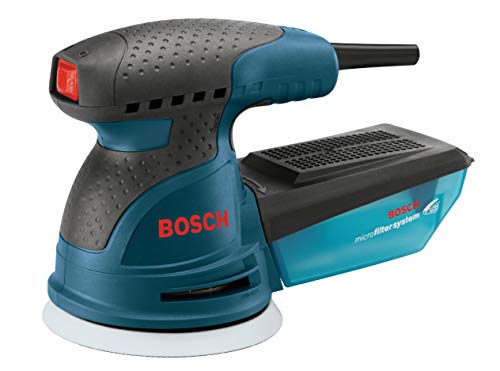
The BOSCH ROS20VSC focuses on delivering a smooth finish with a pad dampening system that minimizes swirl marks on flat and contoured surfaces. Its hook-and-loop disc attachment keeps sanding pads secure during use, and the 2.5-amp motor provides flexible speed control for varied tasks. A dust management system helps maintain a cleaner work area while you work on detailed projects or larger stock removal jobs.
DEWALT DWE6421K 5-Inch Orbital Sander Kit

DEWALT’s DWE6421K kit emphasizes comfort and control with a 3.0-amp motor that runs at 12,000 OPM. A shorter tool height helps you get closer to workpieces, while a separate counterweight design reduces vibration—contributing to less user fatigue on longer sessions. The model is designed for reliable, everyday sanding tasks where consistent results matter.
DEWALT DWE6423 Random Orbit Sander

DEWALT’s DWE6423 offers a broad speed range of 8,000 to 12,000 OPM with a focus on vibration reduction. The improved dust-sealed switch helps protect internal components from dust ingress, extending tool life. This sander is well-suited for intermediate to experienced users who require reliable performance in a compact 5-inch form factor.
BOSCH GET75-6N Dual-Mode Sander
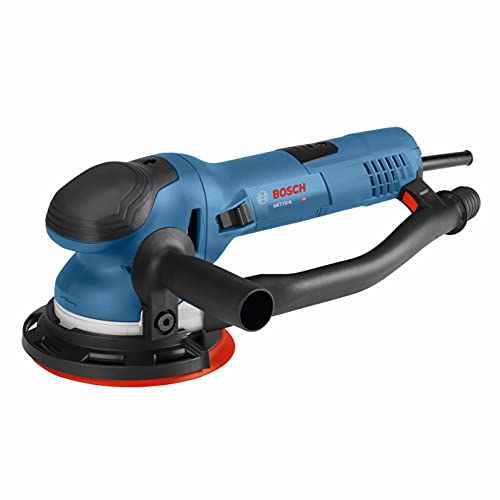
The BOSCH GET75-6N combines random orbit and turbo modes to adapt to a variety of tasks. The multi-hole pad system accepts a wide range of discs for flexible finishing and rapid stock removal when needed. In turbo mode, the tool provides accelerated material removal, making it a strong option for more demanding projects or larger surfaces where speed matters.
DEWALT 20V Max Cordless Orbital Sander

While included here for reference across top cordless models, the DEWALT DCW210D1 brings brushless efficiency and a variable speed range of 8,000 to 12,000 OPM. Its compact, low-profile design provides close access to work surfaces, with the benefit of portability for tasks conducted away from power outlets. Battery-powered operation suits mobile setups and quick touch-ups without cords.
Dong Cheng 5-Inch Random Orbit Sander

The Dong Cheng sander features a 3.2-amp motor delivering up to 12,800 OPM with six variable speeds. A hook-and-loop system makes sandpaper changes quick, while a dust box and separate dust bag help manage debris. The model is designed for woodworkers seeking a versatile, mid-range sander that can handle both smoothing and polishing tasks with consistent results.
Buying Guide: Key Purchase Considerations
- Power and speed range: Look for a motor in the 2–3.5 amp range and a wide RPM span to handle both aggressive stock removal and fine finishing. Higher RPMs are not always better for delicate surfaces; variable speed lets you tailor performance to the task.
- Orbital pattern and finish: Random orbit sanders excel at avoiding visible scratches due to their irregular orbit. Some models offer turbo or dual-mode (random and turbo) for faster material removal on tougher jobs. Choose based on finish quality needs and material density.
- Vibration and comfort: A well-designed counterweight and improved switch seals reduce vibration and prolong tool life. If you’ll sand for extended periods, prioritize models with lower vibration and ergonomic grips.
- Dust management: Dust collection systems range from simple bags to cyclonic and integrated vac connection options. A clean work area improves visibility and air quality, especially indoors.
- Disc attachment and compatibility: Hook-and-loop discs offer quick changes, while some sanders support a wider disc size range (5–6 inches). Ensure discs are readily available and compatible with your preferred grit range.
- Portability and corded vs. cordless: Corded models provide consistent power, while cordless options afford mobility for portable setups. Battery life and weight should be considered for projects requiring flexibility.
- Durability and maintenance: Look for sealed switches and durable housings to resist dust. Replacing pads and bags should be easy, with widely available replacement discs and parts.
- Best-use scenarios: For furniture refinishing, prioritize fine finishing and low swirl risk. For large surface prep, a turbo or higher stock-removal option can speed up work, but you may trade some finish quality if not careful.
Practical Comparisons
When weighing these options, consider how often you sand, the typical materials you work with, and whether you prefer corded power or cordless convenience. For high-precision finishes on soft woods, prioritize models with pad dampening and low vibration. For frequent heavy material removal on hardwoods, turbo or dual-mode options can save time, provided you control scratch depth with the right grit progression. Always pair a good sander with appropriate grits (start coarser, move to finer) and a steady, light touch to achieve professional results.