
Choosing the right random orbit sander can improve finish quality, reduce vibration, and keep dust to a minimum. The following selections represent well-rounded options across pro-grade and home-use tools, emphasizing comfort, dust control, speed range, and ease of use. Whether you’re refinishing furniture or prepping surfaces for paint, these models offer dependable performance and versatility.
Product Overview
| Product | Brand | OPM Range | Key Feature |
|---|---|---|---|
| DEWALT DWE6423 | DEWALT | 8,000–12,000 | Low-vibration design, sealed switch |
| SKIL SR211601 | Skil | 13,000 | Cyclonic dust box, easy dust disposal |
| Milwaukee 2648-20 | Milwaukee | – | Compact, user-friendly |
| BOSCH GET75-6N | BOSCH | – | Dual-mode sanding, multi-hole pad system |
| WORKPRO 5-Inch | WORKPRO | 7,000–14,000 | Six speeds, included dust collection |
Below you’ll find detailed sections for five top picks, each with a concise summary of features and how they suit different use cases. Links point to the respective Amazon listings for quick access.
DEWALT DWE6423 5-Inch Random Orbit Sander

The DEWALT DWE6423 is a compact random orbit sander designed for comfortable operation during extended sessions. Its 3-amp motor spins the pad at 8,000 to 12,000 OPM, producing a smooth finish on a variety of wood projects. A distinct counterweight reduces vibration, supporting steady control and reduced fatigue. The improved dust-sealed switch helps protect against dust ingress, extending switch life and reliability. This model is well-suited for furniture refinishing, cabinet work, and detail sanding where consistent results matter.
SKIL SR211601 5” Random Orbital Sander

The SKIL SR211601 delivers solid performance with a 2.8-amp motor capable of up to 13,000 OPM. Its cyclonic dust box helps keep the workspace cleaner by separating dust from the filter for easier disposal. The sander features variable speed control, enabling the operator to dial in the right speed for different materials and finishes. This makes it a versatile option for general woodworking, hobbyist projects, and mid-range refinishing tasks.
Milwaukee 2648-20 M18 Random Orbit Sander

The Milwaukee 2648-20 M18 Random Orbit Sander emphasizes ease of use and reliability within its cordless platform. While the listing notes “This product meets customer requirement” and “Product is easy to use,” the key benefit is portability and consistent performance powered by the M18 battery system. Suitable for quick touch-ups, cabinet doors, and projects where cord-free sanding adds convenience, this sander supports a clean workflow without tethering you to a power outlet.
BOSCH GET75-6N Electric Orbital Sander
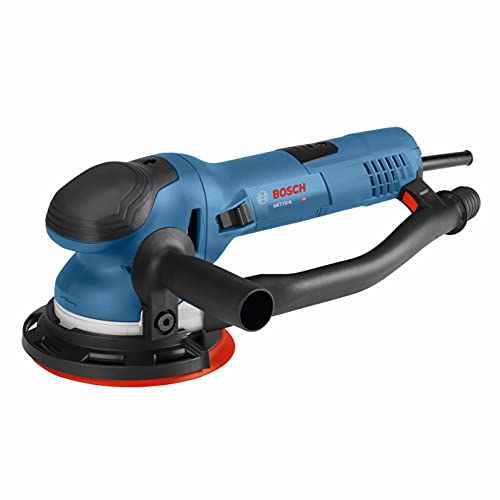
The BOSCH GET75-6N provides a robust 7.5-amp motor with a dual-mode system for random orbit and turbo sanding. The multi-hole pad system supports a wide range of 6-inch discs, enabling flexible dust management and finishing options. Turbo mode drives an aggressive stock removal with direct-drive rotation, offering an alternative workflow to belt sanding for heavy material removal tasks. This makes it attractive for tasks requiring rapid material removal before final finishing.
WORKPRO 5-Inch Random Orbit Sander

The WORKPRO model offers six variable speeds ranging from 7,000 to 14,000 OPM, with a 2.5-amp motor designed for wood, plastic, and metal sanding tasks. It includes a dust collector to help maintain a cleaner work area and comes with 15 sanding papers to cover immediate project needs. The variable-speed feature allows matching speed to the material and task, reducing the risk of gouges or uneven finishes on delicate surfaces.
Buying Guide: What To Look For In A Random Orbit Sander
When selecting a random orbit sander, consider how the tool will fit with your typical projects, workspace, and finish requirements. The following factors offer a balanced framework for evaluating options:
- Orbital speed and control: Higher OPM provides faster material removal, but slower speeds can yield finer finishes on delicate surfaces. Look for models with variable speed control for versatility across tasks.
- Vibration and comfort: A well-designed counterweight, low-profile grip, and quiet operation reduce fatigue during long sessions, improving precision and consistency.
- Dust collection: Efficient dust ports, cyclonic or integrated dust bags, and compatible accessories matter for visibility, health, and finish quality. A dust collection system should be easy to empty and maintain.
- Disc attachment and pad quality: Hook-and-loop discs and multi-hole pad systems support secure disc retention and effective dust handling. Ensure compatible disc sizes for your projects (commonly 5-inch or 6-inch).
- Power source and endurance: Corded models offer consistent performance, while cordless options provide mobility. Consider battery life for extended sessions and project requirements.
- Durability and maintenance: Sealed switches, aluminum housings, and robust motors contribute to tool longevity in workshop environments where dust and debris are common.
- Included accessories: Dust collectors, sanding papers, and replacement pads add value and reduce initial setup cost.
Bottom line: For fine finishing on furniture and cabinetry, prioritize models with vibration control and dust management. For heavy stock removal or portable work, look for higher power, dual-mode options, and robust pad compatibility. Your choice should balance finish quality with work pace and comfort across typical tasks.