
Choosing the right primer for pressure treated wood is essential to ensure lasting adhesion, prevent peeling, and improve topcoat performance. This guide highlights five top primers that work well on pressure treated and outdoor wood surfaces, with clear reasons to choose each based on your project needs. Ideal buyers include DIY homeowners tackling decks and fences, contractors refinishing exterior wood, and painters seeking reliable bonding on challenging surfaces.
| Product | Best For | Key Benefit |
|---|---|---|
| 1 Quart Bulls Eye 1-2-3 Primer Sealer Stain Killer (Zinsser) | Interior & exterior with glossy or difficult surfaces | Excellent adhesion without heavy sanding |
| Deck Start Wood Primer (Rust-Oleum) 1 Gallon | Weathered exterior wood | Eliminates sanding needs and supports solid topcoats |
| Stix Acrylic Waterborne Bonding Primer (INSL-X) | Hard-to-stick surfaces | Exceptional bonding to glossy, vinyl, glass, and metal |
| Bulls Eye Water-Base Primer and Sealer (Zinsser) Quart | Interior surfaces & painted wood | Low odor, fast-drying, good stain hiding |
| Polar Wood Primer (Polar Specialist Coatings) 33 Fl Oz | Bare & Painted Wood | Water-repellent, dirt-resistant, durable base |
Note: The table highlights practical strengths for common pressure-treated wood projects. Always follow product data sheets for surface prep and topcoat compatibility.
Bulls Eye 1-2-3 Primer Sealer Stain Killer

This Zinsser primer is designed for interior and exterior surfaces and bonds to glossy substrates without scuff sanding. Its low-temperature tolerance down to 35°F makes it suitable for variable climates. Choose this if you need strong adhesion on slick or previously coated wood and need a versatile base for both stains and paints.
- Best for surfaces with gloss or hard-to-bond finishes.
- Useful when you anticipate stain-blocking needs.
- Limitations: could require more coats on very porous or heavily damaged wood.
Deck Start Wood Primer, 1 Gallon

Rust-Oleum’s Deck Start primer is tailored for weathered exterior wood, including decks, fences, docks, and furniture. It’s designed to bond securely under solid stains or topcoats and can eliminate the need to sand old coatings. It dries to the touch quickly and covers large areas, making it a practical choice for larger exterior projects.
- Best for weathered outdoor wood needing a strong grip for topcoats.
- Better for decks and fences where sanding isn’t practical.
- Limitations: full performance depends on proper surface cleaning and moisture conditions.
Stix Acrylic Bonding Primer, 1 Quart
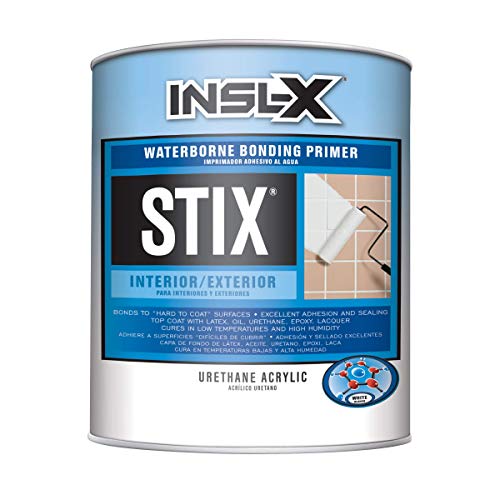
INSL-X Stix is a premium bonding primer designed to adhere to hard-to-coat surfaces such as glossy tile, PVC, vinyl, glass, and galvanized metals. It’s suitable for drywall, wood trim, doors, and various masonry surfaces. Choose Stix when you face challenging substrates and need a primer that forms a robust foundation for almost any topcoat.
- Best for glossy or non-porous surfaces that resist other primers.
- Better for projects requiring exceptional adhesion on difficult substrates.
- Limitation: can require precise surface preparation on very smooth materials for optimal bonding.
Bulls Eye Water-Base Primer and Sealer

This Zinsser water-based primer excels for interior surfaces like walls, doors, trim, plaster, and concrete. Its low-odor formula offers solid stain-hiding capabilities and dries quickly, making it suitable for projects where odor control matters or interior touch-ups on painted wood.
- Best for indoor wood surfaces with modest stain-blocking needs.
- Better when odor control is a priority.
- Limitation: not a dedicated exterior solution; use for interior applications only or as a topcoat base after exterior prep.
Bulls Eye 1-2-3 All Surface Primer, Gray

This Zinsser 1-2-3 All Surface Primer is suitable for interior or exterior use on drywall, concrete, wood, masonry, metal, and glossy surfaces. It provides a quick-drying base suitable for repainting or refinishing projects and helps with uniform sealing on mixed substrates. Best for projects with varied surface types in one area.
- Best for mixed-surface areas where a single primer is preferred.
- Better when you need a versatile, all-in-one base.
- Limitation: gray color may affect final topcoat shade on very light colors unless surfaced with a tinted primer or additional coats.
Bulls Eye 1-2-3 Plus Spray Primer
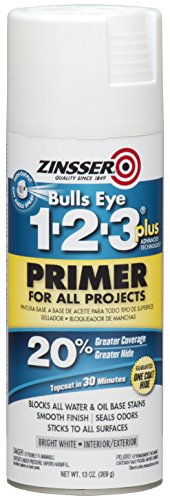
A spray primer option designed for interior and exterior use on drywall, concrete, wood, masonry, and metallic surfaces. The oil-based formula can deliver reliable adhesion without extensive sanding. Use when you need fast coverage or working on large or intricate outdoor wood projects where brushing is impractical.
- Best for quick, even coverage on large exterior wood areas.
- Better for projects requiring fast recoat windows.
- Limitation: spray application may require proper ventilation and masking for indoor use.
Buying Guide: Prime Wisely for Pressure Treated Wood
Key factors to consider when selecting a primer for pressure treated wood include surface type, previous coatings, environmental conditions, and the topcoat you plan to apply. For exterior wood, prioritize primers with proven adhesion to treated wood, mildew resistance, and compatibility with solid topcoats. For interior spaces, odor, cure time, and stain-blocking performance become more impactful.
- Surface compatibility: If the wood is glossy, chemically treated, or previously painted, choose bonding primers like Stix or high-adhesion formulas to avoid sanding.
- Drying time: Quick-drying primers accelerate project timelines, especially in warm or dry climates.
- Topcoat compatibility: Ensure the primer is compatible with your intended topcoat (stain, paint, or sealant) to avoid adhesion issues.
- Environment: For indoor use, low odor and low VOC primers are preferable; for exterior use, weather resistance matters more.
- Application method: Brushed, rolled, or sprayed primers require different preparation; spray primers offer speed but demand masking and ventilation.
FAQ
- Q: Do I need to prime pressure treated wood before painting? A: Yes, priming helps seal the surface, improves adhesion, and reduces topcoat failure on treated wood.
- Q: Can I use any primer on pressure treated wood? A: While many primers work, selecting a primer specifically designed for bonding to difficult surfaces or treated wood yields better long-term results.
- Q: How long should I wait between primer and topcoat? A: Drying times vary by product; follow label directions for recoat windows to ensure proper adhesion.
- Q: Is water-based primer acceptable for exterior wood? A: Water-based primers can be used outdoors when they offer durable adhesion and moisture resistance; choose products intended for exterior use.
- Q: What about primer on already-painted wood? A: Bonding primers or all-surface primers can help seal and prepare surfaces for topcoats without excessive sanding.
- Q: Is sanding necessary before priming? A: For glossy or very smooth surfaces, light sanding improves adhesion, but many modern bonding primers reduce or eliminate sanding steps.