
Answering the common question, which drywall primer and sealer should you choose before tiling? The best options fuse strong adhesion, even porosity, and low odor to create a smooth, uniform base for tile decks, backsplashes, and shower surrounds. This guide highlights top primers and sealers ideal for new drywall and skim-coated walls, with practical notes on who each product suits, plus a concise buying table. Suitable buyers include DIY homeowners mid-project, professional remodelers, and tiling specialists seeking fast-drying, low-odor options.
Summary of Selected Primers
- EVOLVE Drywall Primer & Sealer – 1 Gallon
- EVOLVE Drywall Primer & Sealer – 5 Gallon
- Zinsser 01500 Water Based Drywall Primer – 5-Gallon
- Zinsser 01501 Water Based Drywall Primer – White – 1-Gallon
- Rust-Oleum 01501 Drywall Primer – 1-Gallon – White
EVOLVE 1 Gallon Drywall Primer & Sealer
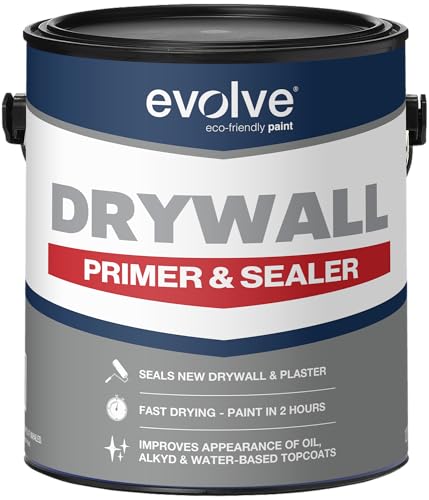
- Prime & seal in one: High-solids formula locks down porous surfaces for a uniform foundation, helping topcoats apply smoother and saving paint.
- For drywall and plaster: Engineered specifically for new drywall, plaster, and skim-coated walls to even surface porosity and reduce blotchy finishes.
- Hides imperfections: Excellent hide conceals joint compound, tape lines, and surface repairs for a professional base.
Best for: Homeowners finishing a new drywall surface or skim coat in living spaces who want a fast, low-odor base before tile work. Caution: For deep pits or severe texture, additional skim may be needed to achieve a perfectly uniform substrate.
EVOLVE 5 Gallon Drywall Primer & Sealer

- Prime & seal in one: High-solids formula provides a uniform foundation suitable for large surface areas, aiding topcoat efficiency.
- Porosity control: Specifically targets new drywall and plaster, reducing flashing and blotchy final finishes.
- Exceptional hide: Conceals substrate imperfections to deliver a consistent base for tile backsplashes and walls.
Best for: Large or contractor-style projects where a single, reliable primer is needed for multiple rooms. Limitation: Bulk packaging may require more storage space and handling during application.
Zinsser 01500 Water Based Drywall Primer

- Water-based formula: Easy cleanup with water; low odor suits occupied spaces during renovations.
- Sands easily: Creates a smooth surface ready for painting or tiling preparation.
- Apply with any tool: Compatible with pads, brushes, rollers, or sprayers for flexible application.
Best for: Larger drywall projects requiring a low-odor primer with easy cleanup and good surface sanding. Caution: May require multiple coats on very porous or repaired surfaces for uniform finish.
Zinsser 01501 Water-Based Drywall Primer, White

- Superior wall coverage: One gallon provides strong coverage for drywall, ideal for large areas needing a smooth matte white base.
- Ideal for drywall repair: Conceals minor imperfections for a uniform look on interior surfaces.
- Low odor application: Designed for comfortable use in indoor spaces with limited ventilation.
Best for: Interiors requiring a white base with solid coverage and minimal odor. Choose this if you need consistent white priming that reduces patch visibility. Limitation: May be less tolerant of extreme porosity without additional coats.
Glidden Interior Drywall Primer Flat White 1 Gal
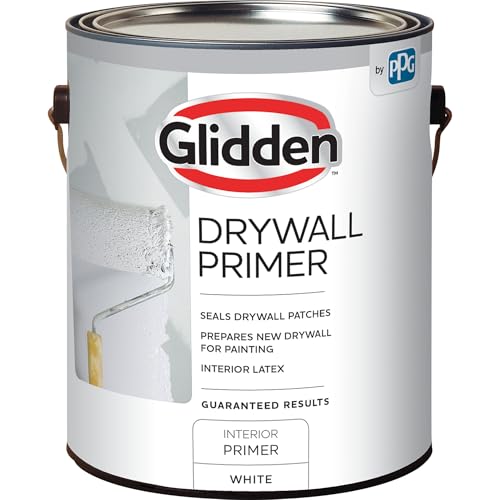
- Seals drywall patches: Prepares new drywall and patches for a clean finish prior to painting or tiling.
- Interior latex primer: Suitable for indoor walls and ceilings, offering a solid base for subsequent tile installations.
Best for: DIY projects where a straightforward, mid-range primer is appropriate for indoor drywall before tiling. Caution: May require additional coats on highly porous surfaces for full adhesion.
Rust-Oleum 01501 Drywall Primer White 1 Gal

- Sealing new drywall: Fast-drying primer that seals surfaces for painting in about an hour, supporting tighter schedules.
- Nap preservation: Won’t raise the nap on new drywall, preserving surface texture for subsequent finishes.
- White finish option: Provides a clean base that can help achieve uniform tile grout lines and paint coverage.
Best for: Projects where speed matters and a quick seal is needed before tiling. Limitation: Might require touch-up coats in very porous areas for even coverage.
Buying Guide: Key Considerations for Drywall Primer Before Tiling
- Porosity and adhesion: Choose primers designed to seal porous drywall and improve adhesion for tile mortar. Higher solids primers can reduce applied coats and improve uniformity.
- Drying time: Fast-drying formulas help keep tiling schedules on track. Consider room temperature and humidity, which affect cure times.
- Odor and ventilation: Low-odor options are preferable for occupied spaces; water-based formulas typically offer easier ventilation requirements.
- Finish and coverage: For large areas, select primers with strong coverage per gallon and a smooth finish to minimize joint appearance under tile grout.
- Compatibility with plaster and skim coats: If your substrate includes plaster or skim coats, ensure the primer is formulated to seal those surfaces evenly.
- Ease of cleanup: Water-based primers simplify cleanup and reduce exposure to harsher chemicals during prep work.
FAQ
- What primer is best before tiling on new drywall?
– A high-adhesion, low-odor drywall primer and sealer that seals porosity and hides repairs is generally best. - Do I need to prime plaster before tiling?
– Yes, primers designed for plaster help seal porosity and promote tile mortar adhesion, reducing flashing and blotchy finishes. - Can I use a standard wall primer for tile projects?
– Some wall primers work, but products labeled as drywall primers or sealers typically provide better porosity control for tiling surfaces. - How important is drying time before tiling?
– Adequate drying minimizes future moisture issues and helps mortar cure properly; follow product-specific guidance for cure times. - Is low odor a concern for tiling in occupied spaces?
– Yes; low-odor formulas improve comfort during prep and allow work to continue with limited ventilation. - Should I choose a 5-gallon primer for small bathrooms?
– A 5-gallon option is practical for larger rooms or multiple walls, but a 1-gallon can suffice for smaller areas or patch repairs.