
When you’re on the road, a reliable portable power station can be a lifesaver—providing charging for phones, GPS, camping gear, and emergency appliances without tethering you to a wall outlet. This guide reviews top car-friendly options, balancing battery capacity, recharging speed, weight, and safety. Read on to compare high-output models from trusted brands and learn what to prioritize for road trips, RV adventures, or off-grid driving. Each entry includes a summary at a glance to help you choose quickly.
| Product | Capacity | Key Benefit | Weight | Charging |
|---|---|---|---|---|
| Jackery Explorer 1000 v2 | 1070Wh | Strong AC output, fast recharge | 23.8 lbs | 1 hr fast charge |
| Jackery Explorer 2000 v2 | 2042Wh | High power, versatile ports | 39.5 lbs | AC Fast/Emergency in ~66–102 min |
| EHOM EP350 | 299Wh | Compact, multiple recharge modes | ~7–8 lbs | 55–80% in 55–75 min |
| Jackery Explorer 300 | 293Wh | Ultra-portable with multiple outputs | 7.1 lbs | 2 hrs to 80% |
| Anker SOLIX C300 | 288Wh | Strong ports, fast two-way charging | ~6–8 lbs | 140W USB-C, 70–140W total |
Jackery Explorer 1000 v2 Portable Power Station

The Jackery Explorer 1000 v2 is a mid-to-large capacity option designed for camping, emergencies, RVs, and off-grid living. It delivers 1,500W AC output (3,000W surge) from a 1,070Wh LiFePO4 battery. At 23.8 lbs with a foldable handle, it balances power with portability for car trips. Fast charging claims can drop 0–100% to about an hour via emergency charging through the Jackery App, with safer, smarter charging thanks to ChargeShield 2.0. The durable LiFePO4 chemistry supports longevity, aiming to maintain over 70% capacity beyond many cycles.
Features highlight:
– 1,500W AC, 3,000W surge; supports appliances like fridges, AC units, electric pots
– 1,070Wh capacity in a portable form
– 1-hour fast charging with emergency mode; app-based health monitoring
– 10-year lifespan expectation with high-cycle endurance
Jackery Explorer 2000 v2 Portable Power Station

The Explorer 2000 v2 offers a higher-capacity alternative for more demanding needs. It features 2,042Wh LiFePO4 storage and a peak output of 2,200W across multiple AC ports, making it suitable for home backup, camping, and small businesses. A USB-C PD 100W port enables fast device charging without extra adapters. Despite its size, it weighs around 39.5 lbs, which is still manageable for car-based setups and road trips. Quick-charging options include AC Fast Charging and Emergency Super Charging via the companion app, with solar charging support as an option.
Key details:
– 2,042Wh capacity, 2,200W total output
– USB-C PD 100W for fast device charging
– CTB technology for compact, safer energy storage
– AC Fast Charging to 80% in ~66 minutes; full charge ~102 minutes
EHOM EP350 Portable Power Station

The EHOM EP350 is a compact 299Wh unit designed for CPAP usage, camping, and emergency power. It supports 3 charging methods (AC, car, and solar input up to 200W), and is rated at 350W continuous (700W peak) to power essential devices. The unit emphasizes durability with a robust battery chemistry and a rapid charging profile: up to 80% in around 55 minutes. It’s a practical choice for car travel where weight and size are critical, with a balance between capacity and flexibility for quick top-ups.
Important aspects:
– 299Wh capacity; 350W continuous output
– 3 recharging modes: AC, car, solar; MPPT controller up to 200W
– 55-minute 80% recharge; 1.25-hour full recharge
– Suitable for CPAPs, small appliances, and on-the-go use
Jackery Explorer 300 Portable Power Station
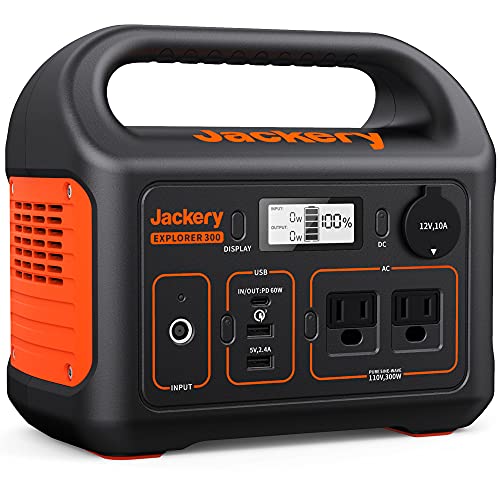
The Explorer 300 emphasizes lightness and ease of use while still offering essential charging for outdoor trips. It houses a 293Wh lithium battery with two Pure Sine Wave AC outlets for up to 300W total output. Weighing about 7.1 pounds, it’s particularly suited for hikers, campers, and travelers who need reliable power without the bulk. Recharging can be performed rapidly via wall outlets, car adapters, or Jackery-compatible solar panels. The unit supports simultaneous charging and device powering for compact, multi-device scenarios.
Key strengths:
– 293Wh, 300W total output; two Pure Sine Wave AC outlets
– Lightweight at 7.1 lbs; highly portable
– Multiple recharge options: wall, car, solar (panel not included)
– Supports charging of multiple devices (Drones, laptops, cameras) at once
Anker Portable Power Station SOLIX C300

The Anker SOLIX C300 focuses on a balanced blend of compact size and robust output. With 288Wh of LiFePO4 storage and 300W (600W surge) AC power, it supports a variety of devices with eight charging ports, including three AC outlets and two USB-C ports. The two-way 140W USB-C charging capability accelerates recharging, making it a solid option for road trips where space and speed matter. It’s designed for portability without sacrificing essential ports for camping and emergencies.
Highlights:
– 288Wh, 300W continuous (600W surge)
– Eight ports, including multiple USB-C and AC outlets
– 140W two-way USB-C fast charging
– Travel-friendly design and compact form
ALLWEI Portable Power Station 300W
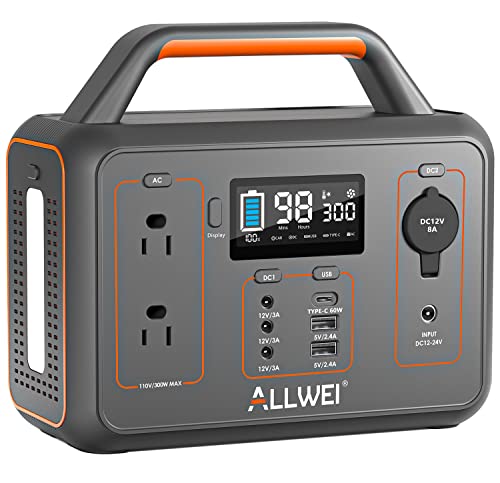
ALLWEI’s 300W portable power station provides 280Wh, offering a robust mix of outputs to run essential devices during outages or outdoor trips. It features three AC/DC/USB ports and a car charger, enabling use with CPAP machines, laptops, phones, and small appliances. The device supports three recharge methods and includes a built-in MPPT controller to optimize solar input. Its pocket-friendly weight and broad port array make it a versatile option for car travel and RV excursions.
Essential details:
– 280Wh, 300W rated (9 ports total availability)
– 3 recharge methods: AC, car, solar (solar optional)
– MPPT controller for efficient solar charging
– Suitable for CPAP, laptops, cameras, and small appliances
Buying Guide: Choosing the Right Portable Power Station For Car Use
Battery capacity and output
Determine your critical devices and total wattage. For car use, aim for units in the 300–2,000Wh range depending on travel depth. Higher wattage supports heavy loads like mini-fridges or power tools, but adds weight and size. Look for peak surge ratings to handle startup surges of appliances like refrigerators or motorized devices.
Weight and portability
If you’ll move the unit between your car and campsite or trunk, weight matters. Portable options under 15 lbs are ideal for frequent travel; larger units around 20–40 lbs may be better suited for RVs or home backup on wheels.
Recharging speed and methods
Fast charging reduces downtime during trips. Consider AC fast charging, car charging, and solar input. A model with an MPPT controller optimizes solar charging, delivering better efficiency when panels are used. For emergencies, emergency charging modes and app monitoring provide extra safety and care for battery health.
Durability and battery chemistry
LiFePO4 chemistry tends to offer longer life cycles and better thermal stability, which benefits devices in varied environments. Look for a robust design, protective casing, and clear indicators for health and remaining capacity.
Portability of ports and device compatibility
Assess the mix of outlets—AC, USB-C PD, USB-A, car port—and ensure your essential devices are compatible. USB-C PD ports are particularly useful for modern laptops, tablets, and fast-charging phones. A broader port set reduces the need for adapters on the road.
Price, warranty, and support
Balance cost with capacity, features, and after-sales support. A long warranty and accessible customer support improve total cost of ownership, especially for road-bound use where reliability matters.
In summary, select a model that aligns with your typical trips: go for higher capacity and multiple charging options if you regularly power appliances in a vehicle or RV; choose compact, lightweight options for simple charging on long drives; and consider LiFePO4 chemistry for longevity and safety in varied climates.