
For CPAP users, uninterrupted sleep is essential, even when off-grid or during power outages. The right portable power station or generator can keep your CPAP running without loud generators or bulky setups. This guide highlights five reliable options, balancing battery capacity, inverter quality, recharge options, and portability to help you choose the best portable generator for CPAP use in an American setting.
| Product | Brand | Output Type | Capacity | Notes |
|---|---|---|---|---|
| Jackery Solar Generator 1000 v2 | Jackery | AC/USB-C | 1070Wh | High surge; 1h fast charge |
| ALLWEI Portable Power Station 300W | ALLWEI | AC/USB-C | 280Wh | 9 ports; multiple recharging options |
| Jackery Explorer 300 | Jackery | AC/USB-C | 293Wh | Lightweight; versatile charging |
| EHOM EP350 Portable Power Station | EHOM | AC/USB-C/Car | 299Wh | Fast recharge; solar input supported |
| MARBERO 237Wh Portable Power Station | MARBERO | AC/USB-C | 237Wh | Compact; multiple outputs |
These options include lithium-based power stations with pure sine wave inverters, multiple recharge paths, and compact designs suited for CPAP machines. Each product balances weight, capacity, recharge speed, and output stability to support CPAP devices through nights away from home or during emergencies.
Jackery Solar Generator 1000 V2 With 200W Panel

This power station offers 1,500W continuous AC output with a 3,000W surge, powering CPAP and other critical devices. Its 1,070Wh LiFePO4 battery delivers resilience with a stated lifespan exceeding 10 years, maintaining substantial capacity after thousands of charge cycles. A one-hour fast charge via emergency charging and the Jackery App supports rapid top-ups, helping ensure CPAP readiness after outages or remote trips. It remains portable at roughly 23.8 lbs and includes a foldable handle for ease of transport.
Key features relevant to CPAP use include pure sine wave AC outlets for compatible sleep equipment, a robust battery with long-cycle life, and fast-charging capability to minimize downtime between sessions. Consider the need for higher surge tolerance if you run heated humidification or additional devices alongside CPAP.
ALLWEI Portable Power Station 300W
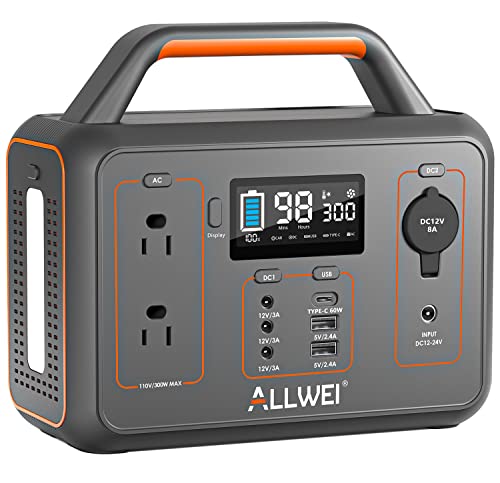
The ALLWEI 300W unit provides 280Wh of capacity with 9 ports including two AC outlets, USB-C PD, USB-A, DC, and car port. This makes it suitable for CPAP machines, phones, tablets, and a small fridge or essential devices during outages. It supports three recharge methods: AC wall charging, car charging, and solar panel charging, with expected full charges within a few hours under optimal sun conditions. The device is designed for quiet operation and practical portability, ideal for camping, RV trips, or home backup.
Jackery Portable Power Station Explorer 300
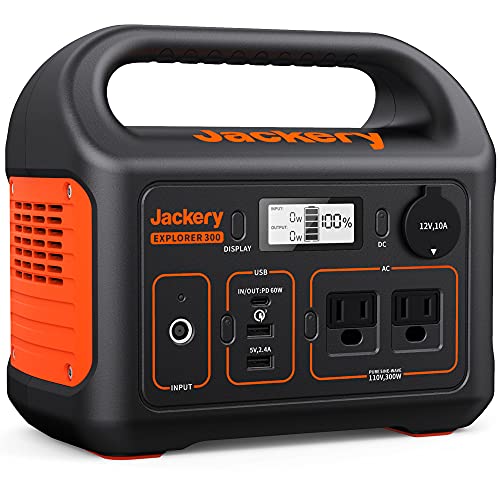
With 293Wh of lithium power and a lightweight design at about 7.1 pounds, the Explorer 300 is convenient for CPAP users on the go. It includes two Pure Sine Wave AC outlets, a USB-C port, USB-A port, and a car port, enabling simultaneous charging of a CPAP and other essentials. Quick recharging via fast-charge-enabled USB-C and wall outlet reduces downtime. While smaller in capacity than larger models, its portability makes it a strong choice for weekend trips or temporary outages.
EHOM EP350 Portable Power Station

The EHOM EP350 delivers 299Wh and 350W continuous power (700W peak), with a pure sine wave AC output suitable for CPAP and other sensitive electronics. It supports multiple recharge paths, including solar input via an MPPT controller (solar panel not included), AC, and 12V/car outlets. It claims fast recharging of about 1.25 hours to full, leveraging NitroGo fast-charging technology. The compact form factor and durable build make it a practical choice for overnight camping or as a home backup during outages.
MARBERO 237Wh Portable Power Station

The MARBERO M823 (237Wh) offers multiple outputs, including 2 AC outlets, USB-C, USB-A, and DC options. Its compact, lightweight design (roughly 4.6 pounds) makes it highly portable for CPAP users who travel frequently. With a robust 200W continuous output (375W peak) and pass-through charging, it supports CPAP devices and other essentials without heavy bulk. The device is well-suited for short trips, camping, or as a reliable backup for basic power needs alongside CPAP equipment.
Buying Guide: Key Purchase Considerations
- Power needs and CPAP compatibility: Choose a unit with a pure sine wave inverter to protect CPAP machines and ensure stable operation. Check rated wattage and surge capacity to cover CPAP startup and optional humidification pumps.
- Battery capacity and runtime: CPAP machines typically draw 30–60W depending on model and accessories. A unit with 500–1000Wh supports overnight use; smaller models are best for short trips or backup days.
- Recharge options: Look for multi-source charging (AC, car, solar) to stay powered in varied environments. Solar compatibility is valuable for off-grid camping and long outages.
- Portability and weight: If you’ll travel by car or carry devices by hand, prioritize lighter units with ergonomic handles. Remember that higher capacity generally adds weight.
- Durability and safety: Consider battery chemistry (LiFePO4 often lasts longer) and built-in safety features such as short-circuit protection, overcharge protection, and CO sensors for gas-powered generators.
- Noise level and temperature range: For home-use or camping, select units with low noise output and reliable performance across typical summer/winter temperatures.
- Expandable or modular options: Some systems can be expanded with additional batteries or panels, enabling longer off-grid operation as needs grow.
- Firmware and app support: Smart features, battery management, and firmware updates improve usability and battery longevity for CPAP users.
When evaluating options, map your CPAP setup against these criteria. A larger capacity and robust surge handling reduce the risk of outages, while multiple recharge methods increase reliability in diverse environments. Consider also whether you need a system primarily for home backup or for frequent travel and remote camping, as this affects the ideal balance of weight, cost, and features.