
When sealing pool expansion joints and adjacent concrete gaps, choosing the right caulk, backer rod, or filler matters for longevity and performance. This guide highlights five practical products that help manage movement, resist weather and pool chemicals, and provide a solid base for caulking. It targets buyers seeking reliable joint solutions for driveways, patios, sidewalks, and pool surrounds. Below is a quick summary table to compare key picks.
| Product | Best For | Key Benefit | Limitations |
|---|---|---|---|
| M-D Building Products Versatile Gray Foam Backer Rod | Medium gaps in concrete, expansion joints | High-quality foam that fills gaps and supports caulk adhesion | Pastel foam may compress over very large gaps |
| Deck-O-Seal One-Step Joint Caulking Cartridge | Expansion and contraction in temperature changes | Stays flexible and resistant to UV, moisture, and pool chemicals | Tan color; may require color matching for aesthetics |
| AWF PRO Sikaflex 1C SL 10 oz | Horizontal expansion joints in concrete | Extreme elasticity and durable cure for wide movement | Self-leveling; ensure surface readiness for best results |
M-D Building Products Versatile Gray Foam Backer Rod Set

Best for: medium gaps in concrete and expansion joints where a reliable backer is needed to support caulking and prevent crack propagation. This 1/2 inch by 20 foot foam backer rod fills joints to create a solid base for subsequent sealants, helping prevent drafts, dust intrusion, and water intrusion in interior and exterior applications. The foam is weather-resistant and designed for durability in varying climates. Use this when you want a simple, pliable filler that compresses to fit irregular joint widths.
Why selected: It provides a complete gap solution, ideal for concrete gaps and expansion joints in driveways and sidewalks. It can be twisted for larger gaps and trimmed to size for precise fit. Best for those who want a versatile backer option that supports long-lasting caulking results.
Caution: Over-compression or twisting too aggressively can reduce the backer rod’s effectiveness and create voids beneath the caulk. Ensure the joint is clean and dry before installing caulk over the backer rod.
Deck-O-Seal One-Step Joint Caulking Cartridge

Best for: caulking joints that experience expansion and contraction, especially in pool surrounds and outdoor concrete. This cartridge helps prevent uncontrolled cracking by accommodating movement, while remaining flexible and resistant to pool chemicals when exposed to normal conditions. It’s suitable for horizontal seams and joints in concrete floors and slabs.
Why selected: Its combination of flexibility and chemical resilience makes it a solid choice for pool environments where UV exposure and moisture are present. This product stays pliable without becoming brittle, reducing maintenance over time.
Caution: Color matching may be limited; consider the caulk color to blend with surrounding concrete or tile for aesthetics. Preparation and curing conditions affect final performance.
AWF PRO Sikaflex 1C SL 10 oz Limestone

Best for: horizontal expansion joints in concrete slabs such as sidewalks, balconies, and pavements. The 1C SL is a self-leveling polyurethane sealant that accommodates movement of about +/- 25%. It cures to a tough, flexible state, offering durable performance in outdoor pool areas and heavily trafficked concrete surfaces.
Why selected: It provides high elasticity and strong weather resistance, making it a strong choice where long-term joint integrity is essential. The self-leveling feature eases application on flat joints and large concrete planes.
Caution: Self-leveling formulas require proper surface preparation and porosity control; overly wet or dusty substrates can impair adhesion and cure quality.
Reflectix Expo4050 Expansion Joint
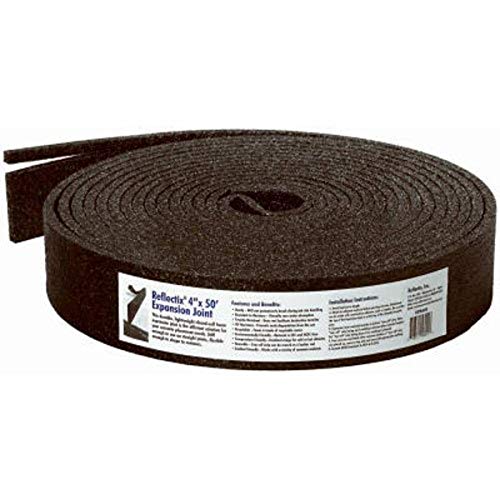
Best for: basic expansion joint needs where a straightforward filler is desired for pool decks, patios, and concrete edges. The Expo4050 is known for value and ease of use, providing a dependable joint gap solution that accommodates expansion stresses.
Why selected: It offers a balance of simplicity and durability, making it a good option for less complex joint configurations or for users who want a quick, ready-to-go solution. It’s suitable for DIY projects with moderate movement expectations.
Caution: Lacks advanced elasticity or chemical resistance ratings found in higher-end sealants; for heavy chemical exposure or high-mobility joints, consider other options in this guide.
Acuteye 1/4 Inch Backer Rod 100 Foot

Best for: backer rod needs across multiple joints, walls, doors, and driveways where a dense EPDM backer rod provides a snug seal without water absorption. This 1/4 inch diameter, 100-foot length is a practical option for longer sealing projects.
Why selected: EPDM material offers superior water resistance and durability compared to standard foam. It’s easy to cut and install, providing a reliable base for caulking in varied climate zones.
Caution: Slight diameter variation and cutting precision can affect fit; verify joint width and adjust length accordingly for a proper seal.
U0U 1/4 Inch Backer Rod

Best for: gray concrete expansion joints and cracks where easy customization and cutoff are beneficial. The 1/4 inch diameter and 16.4-foot length provide flexibility for various gap sizes around pools and walkways.
Why selected: EPDM-based backer rod with water-resistant properties, designed to seal joints effectively and support subsequent caulk application. It offers straightforward cutting and placement for quick DIY jobs.
Caution: Measure precisely; overheating or over-stretching during insertion can reduce performance and damage the joint seal.
Buying Guide: Key Considerations For Pool Expansion Joints
- Joint width and movement: Choose backer rods and sealants that accommodate the expected movement range of concrete joints near pools. Self-leveling sealants work well for horizontal surfaces with consistent depth.
- Material compatibility: For pool areas, select products that resist moisture, UV exposure, and pool chemicals. EPDM backs are preferred for water resistance.
- Substrate readiness: Proper cleaning, drying, and priming (when required) improve adhesion and curing. Surface porosity affects cure time and final strength.
- Aesthetic considerations: Some caulks come in limited colors; consider color matching to concrete or tile for a cohesive look around the pool deck.
- Application ease: Self-leveling formulas reduce manual tooling; backer rods simplify caulk support and reduce crack propagation.
- Durability vs. budget: Higher elasticity and chemical resistance often cost more but deliver longer life in pool environments.
FAQ
- What is the best backer rod size for pool joints?
Answer: A 1/4 inch diameter is common for medium to wide joints; always fit snugly without compressing excessively. - Do I need a sealer after backer rod installation?
Answer: Yes, apply a compatible caulk or sealant over the backer rod to seal the joint, prevent water intrusion, and accommodate movement. - Can these products handle constant water exposure?
Answer: Many are designed for outdoor and pool use, but verify product specs for water resistance and UV stability before installation. - How long does curing take for pool caulks?
Answer: Cure times vary; refer to the manufacturer’s guidelines for handling, foot traffic, and exposure after application. - Are color-matched caulks necessary around pools?
Answer: Color matching improves aesthetics; some environments benefit from neutral tones to blend with concrete and decking. - Is self-leveling better than hand-applied caulk for pool decks?
Answer: Self-leveling options reduce leveling effort on flat surfaces, but ensure substrate suitability and proper priming for best results.