
When choosing a pipeline welding helmet, prioritize models designed for tight spaces, heat resistance, and stable eye protection. The top picks below are best for pipeline welders who work in cramped, overhead, or high-heat environments and need reliable shade control. This guide highlights who each helmet is best for, plus a concise buying table to compare key features at a glance.
| Product | Best For | Why It Stands Out |
|---|---|---|
| Jackson Safety PL280 (Fiberglass) | Pipeline welders in tight spaces | Compact bucket design; lightweight fiberglass; sturdy heat resistance; clear 2″ x 4.25″ drop-in Shade 10 window. |
| Jackson Safety PL280 (Nylon) | Overhead and overhead-prep work | Lighter than fiberglass; lift-front flexibility; “Super Kool” coating reduces heat buildup. |
| SturdyShape Pancake Welding Hood | All-day pipeline fabrication | Ultralight carbon fiber; adjustable fit for long sessions; compact design with comfortable wrap. |
| Fibre-Metal Pipeliner | Harsh environments | SuperGlas Plus construction; moisture- and impact-resistant; compact for restricted access. |
| ICONIC WELD Auto Darkening Helmet | Budget-conscious long sessions | Very lightweight; true color view; reliable auto-darkening with standard shade options. |
Jackson Safety PL280 Pipeline Helmet (Fiberglass)
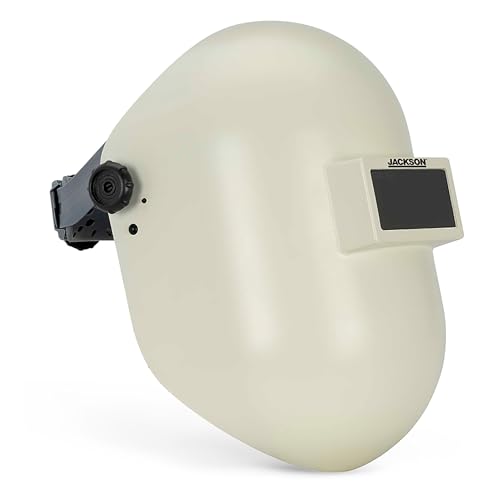
The PL280 in fiberglass is a traditional bucket style helmet designed for access in small spaces and tight work areas. The fiberglass construction offers heat resistance and durability in demanding environments. Features include a high impact polycarbonate window and a 2” x 4.25” drop-in Shade 10 filter for clear visibility in varying arc conditions. Best for pipeline welders who need solid protection without sacrificing maneuverability in cramped setups.
- Best for: Welders working in constrained pipeline spaces where quick, secure positioning matters.
- Why selected: Combines compact design with durable fiberglass and a reliable 10 shade window for consistent visibility.
- Limitations: Heavier than some nylon variants; heat dissipation relies on passive cooling rather than specialized coatings.
Jackson Safety PL280 Pipeline Helmet (Nylon)

This version uses a lighter Super Tuff Nylon build, making it easier to wear for overhead welding tasks and long shifts. It includes lift-front flexibility with a spring-loaded mechanism that eases pre/post welding adjustments, helping workers maintain steady posture in overhead positions. The coating reduces heat buildup, improving comfort in hot shop conditions.
- Best for: Overhead welding and long sessions where weight matters.
- Why selected: Lighter than fiberglass with a practical lift-front feature and heat-reducing coating.
- Limitations: Nylon resilience varies with temperature; ensure the coating remains intact for ongoing heat defense.
SturdyShape Pancake Welding Hood Ultralight

The Pancake Welding Hood is designed for pipeline welders who value mobility and a low profile. Its carbon fiber panels deliver a durable yet ultralight helmet, weighing around 10 ounces. The design focuses on a secure fit and balanced weight distribution, with screws allowing a customized fit. Ideal for moving between tight lines and long stretches of pipe work.
- Best for: Pipeline professionals who need maximum mobility without sacrificing safety.
- Why selected: Ultralight carbon fiber build with adjustable fit for all-day comfort.
- Limitations: Carbon fiber shells can be less forgiving if impact is severe; ensure proper handling and maintenance.
Fibre-Metal Pipeliner Pipeliner Helmet
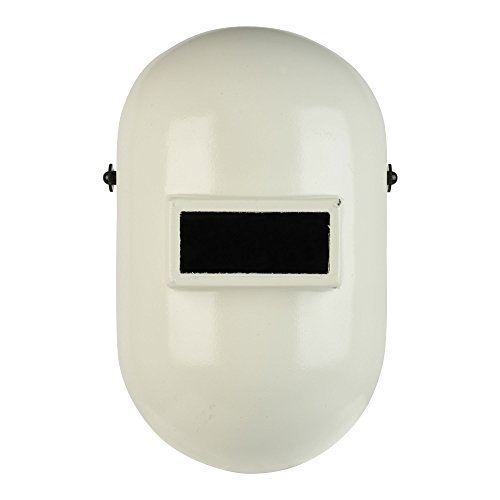
Fibre-Metal’s Pipeliner helmet uses SuperGlas Plus for a lightweight yet strong shell. It is designed to withstand moisture and impact in harsh welding environments, with a compact form to fit in areas where space is limited. This helmet suits pipe welders who need dependable protection in tough sites without sacrificing access to restricted spaces.
- Best for: Welders facing moisture and impact risks in confined pipelines.
- Why selected: Durable, moisture-resistant construction with a compact design for tight workspaces.
- Limitations: Might be less feature-rich in auto-darkening options compared to newer models.
ICONIC WELD Auto Darkening Helmet (White)

The ICONIC WELD helmet is designed for comfort with a lightweight shell and auto-darkening capability. It offers shade options that cater to various welding tasks, along with true color clarity for better arc detection. The white shell plus ergonomic design aims at reducing neck strain during long sessions.
- Best for: Welders seeking a lightweight, budget-friendly auto-darkening helmet.
- Why selected: Lightweight with reliable auto-darkening and true color visibility.
- Limitations: Ensure you choose the appropriate shade range for your typical applications to maximize performance.
Buying Guide: Key Considerations For Pipeline Welders
What helmet material matters most?
Material affects weight, durability, and heat handling. Fiberglass offers durability and heat resistance; nylon or composite shells reduce weight, easing overhead use. For long shifts, lighter materials can reduce neck fatigue, but ensure they still meet impact standards.
Which features improve performance in pipelines?
Compact design for tight spaces is crucial. Look for models with lift-front options, true color view, and reliable shade ranges. Auto-darkening that switches quickly helps maintain line consistency during frequent arc starts and stops.
How important is weight and balance?
Weight and balance affect comfort during long sessions. Pancake and ultralight helmets reduce neck strain, especially when working overhead or in awkward positions. Always test fit and adjustability before committing.
What about comfort and heat management?
Heat buildup can cause fatigue and discomfort. Coatings that shed heat and materials with good ventilation help maintain comfort. Consider helmets with heat-reducing coatings or materials designed to deflect sparks and spatter.
Which helmet suits specific pipeline tasks?
For overhead or restricted-access welding, compact designs with a secure front may be best. For long, flat runs, a lighter or pancake helmet with stable fit helps minimize fatigue. For harsh environments, moisture- and impact-resistant shells add durability.
Care and maintenance basics
Regularly inspect lenses and shields, clean the exterior, and replace hinges or headgear as needed. Proper storage protects the helmet shell and ensures consistent performance when you return to the line.
Frequently Asked Questions
- What should I consider when choosing a helmet for pipelines? Focus on space access, weight, shade range, and heat management. A compact design helps in tight spaces, while a lighter shell reduces neck strain during long jobs.
- Are auto-darkening helmets necessary for pipeline work? Auto-darkening improves arc-start visibility and reduces the need to flip lenses frequently, which is beneficial for repetitive welding tasks common in pipelines.
- Is a carbon fiber helmet safer than fiberglass? Safety depends on the shell’s impact resistance and certification. Carbon fiber offers lightweight strength, while fiberglass provides durability and heat resistance; both should meet industry standards.
- Should I choose nylon or fiberglass for overhead applications? Nylon is lighter and easier to maneuver, which is advantageous overhead. Fiberglass offers higher heat resistance and durability in certain conditions.
- How important is the shade range? A versatile shade range (for example, 9–13) covers a wider array of welding tasks, reducing the need to switch helmets or lenses frequently.
- What maintenance tips extend helmet life? Keep lenses clean, replace damaged skirts or seals, and store away from excessive heat. Periodic checks on headgear adjustment ensure a secure fit.