
Answering your search for effective paint and varnish removers, this guide highlights five top options that balance safety, performance, and ease of use. This selection targets homeowners, DIY enthusiasts, and professional remodelers alike. The top picks are chosen for versatility across wood, metal, masonry, and more, while minimizing harsh chemicals. A quick buyer’s table follows to compare key points at a glance.
| Product | Best For | Highlights |
|---|---|---|
| Sunnyside 63432 2-Minute Remover Advanced Paint & Varnish Remover Gel | Vertical surfaces and detailed projects | Methylene chloride free; multiple layers in one application |
| Max Strip Paint & Varnish Stripper 32oz | Versatile household and workshop use | No methylene chloride or NMP; gentle on many surfaces |
| Smart ‘n Easy Paint & Varnish Remover Gel (32oz) – Safe ‘n Easy | Your DIY projects with minimal odor and risk | Water-based; citrus scent; no caustic chemicals |
| Smart ‘n Easy Orange Citrus Scent Gel (1/2 Gallon) | Larger DIY jobs with same safety profile | Citrus scent; no caustic chemicals; test before use |
| Sunnyside 2 Minute Remover Advanced Detailing Liquid | Quick, light coatings and small areas | Methylene chloride free; fast-acting |
Sunnyside 63432 2-Minute Remover Gel
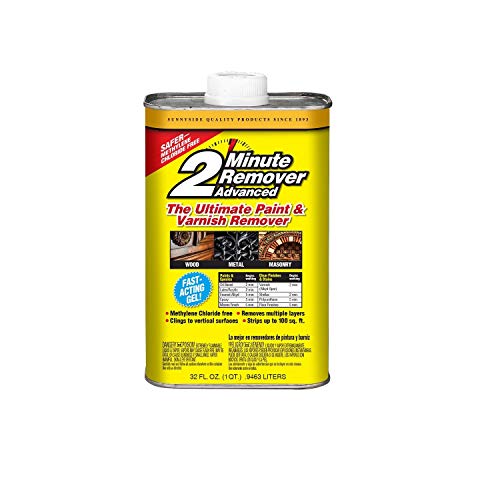
Best for: Projects requiring fast action on multiple layers without heavy scrubbing. This gel adheres to vertical or horizontal surfaces, reducing drips and mess. It is particularly suitable for wood, metal, and masonry surfaces where safety and minimal damage are priorities.
Why selected: The product claims a safer formula that is methylene chloride free and can remove several coating layers in one pass, which speeds up workflows while maintaining substrate integrity. Use on vertical surfaces to minimize runoff and waste.
Caution: Always test compatibility on a small area first to confirm coating response and surface safety. Do not apply to living wood finishes that may react to gel solvents.
Max Strip Paint & Varnish Stripper 32oz
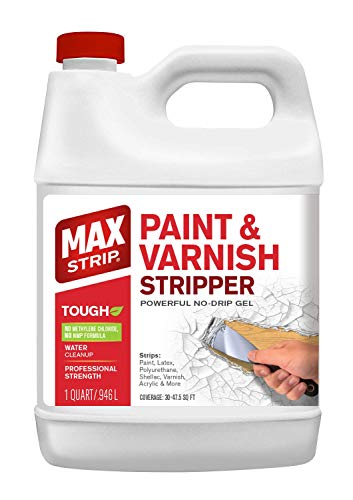
Best for: Home projects involving multiple surface types, including wood, metal, masonry, plaster, and tile. Its versatility makes it suitable for DIYers handling older coatings and refinishing projects.
Why selected: Designed to remove paints and varnishes from multiple surfaces in a single application, this product emphasizes user-friendly use without caustic chemicals. It recommends checking every 15 minutes for readiness and removing with a scraper for best results.
Caution: Performance varies by coating thickness. Allow time to read the paste’s activity, and use protective gear during application to avoid skin contact.
Smart ‘n Easy Paint & Varnish Remover Gel (Safe ‘n Easy) – 32oz

Best for: DIY enthusiasts seeking a low-odor, user-friendly remover with minimal risk. This option is well-suited for indoor jobs and projects where odor and skin safety matter.
Why selected: Features a water-based formula with no caustic chemicals, a citrus scent, and a strong emphasis on test-swatch compatibility before full removal. It’s marketed for household surfaces like wood furniture, cabinets, decks, and more.
Caution: Always perform a compatibility test first and avoid applying to delicate finishes without testing, as some coatings may respond differently than expected.
Smart ‘n Easy Orange Citrus Gel – 1/2 Gallon

Best for: Medium-to-large DIY projects where a citrus-scented, non-caustic remover reduces user fatigue and odors. Effective on wood, brick, plaster, and more.
Why selected: The gel uses a non-caustic, water-based formula with an orange citrus scent, differentiating it from harsher solvent removers. It remains easy to test and apply across many surfaces.
Caution: Like all removers, test in an inconspicuous area to validate coating compatibility and avoid over-application on sensitive substrates.
Sunnyside 2 Minute Remover Advanced Detailing Liquid

Best for: Quick treatment on smaller detailing projects or spot-coating tasks where rapid removal is needed.
Why selected: The liquid formula is designed to remove multiple layers while avoiding methylene chloride, aligning with safety-conscious workflows. It begins working relatively quickly, aiding speed-focused projects.
Caution: Confirm the product’s compatibility with the base material, as some coatings may respond differently to quick-acting liquids. Use protective equipment as needed.
Buying Guide: Key Considerations For Choosing A Paint And Varnish Remover
What surfaces will you treat?
Many removers are formulated for wood, metal, masonry, and plaster. If you work across multiple substrates, choose a versatile product that claims compatibility with all your target surfaces.
Are volatile chemicals a concern?
Look for methylene chloride-free and NMP-free options if you want a safer option. Water-based formulas reduce odors and skin irritation risk, though they may require longer dwell times on tougher coatings.
What is your project scale?
Smaller tasks benefit from fast-acting gels or liquids, while larger jobs may justify a gallon or half-gallon container. Consider the product’s application method and dwell time to estimate overall project duration.
Do you need low odor or citrus scents?
Citrus-scented and low-odor formulas improve indoor usability. A pleasant scent does not guarantee safety, so always review material safety data and usage instructions.
What safety steps are essential?
Wear gloves, eye protection, and ensure adequate ventilation. Test coatings on inconspicuous areas before full removal to avoid damage or discoloration. Scrapers or putty knives are commonly used to remove softened coatings after the dwell time.
FAQ
- Is methylene chloride really unsafe? It is a restricted hazardous chemical in many regions. Safer, methylene chloride-free formulas are widely available and recommended for DIY projects.
- Can I use these removers on all coatings? Generally they cover paints, varnishes, shellac, and polyurethane, but always verify compatibility with your coating type and substrate before full use.
- How long should I wait before scraping? Dwell times vary by product. Follow the manufacturer’s guidance and recheck the surface periodically to prevent over-wetting or substrate damage.
- Are water-based removers less effective? They are typically safer and easier to handle, but some coatings may require longer dwell times or multiple applications for complete removal.
- What safety gear is essential? Use gloves, eye protection, and ensure good ventilation. A respirator may be advisable for enclosed spaces depending on the product’s fumes.
- Can I reuse or recycle leftover remover? Do not reuse mixed residues. Dispose of according to local regulations for chemical cleaners and follow product label instructions.