
Answering the buyer’s search: these are the best motor oils for lawn mowers and other small engines, chosen for durability, wear protection, and season-ready performance. This guide helps shoppers decide which oil is best for push mowers, riding mowers, and other outdoor power equipment. The table below highlights each option, who it suits, and why it was selected.
| Product | Best For | Why It Stands Out |
|---|---|---|
| STP Premium Small Engine 4 Cycle SAE10W-30 | All-around small engines | Synthetic blend with all-weather formula; good wear protection and easy starts |
| Pennzoil 10W-30 Motor Oil, 1 Quart | Everyday lawn care engines | Proven wear protection and sludge prevention through cleaner operation |
| Lucas Oil 11314 SAE 10W-40 | High-load, demanding engines | Reduces wear and guards against overheating |
| Valvoline MaxLife 10W-30 Synthetic Blend, 5 Quart | High-mileage engines | MaxLife technology with seal conditioners and detergents for longer life |
| TRIAX Power 4-Stroke SAE 30W | Heavy-duty, long-life small engines | High-zinc formula, commercial-grade durability, all-season performance |
STP Premium Small Engine 4 Cycle SAE 10W-30

Best for: Small engines in lawnmowers, generators, tractors, and other outdoor power equipment. This bottle uses a synthetic blend designed for all-season starts and reliable lubrication. It fights thermal breakdown with antioxidants to maintain effectiveness at high temperatures. Use this oil when you need dependable year-round performance and smoother starts in varied weather.
Caution: Like most 10W-30 formulas, oil viscosity is tuned for moderate climates; in extreme cold or hot environments, verify winter or summer suitability for your equipment.
Pennzoil 10W-30 Motor Oil, 1 Quart

Best for: Everyday lawn care engines that require clean operation and reliable wear protection. The 10W-30 formulation helps keep engines clean by reducing deposits, supporting more consistent performance over time.
Caution: The product relies on standard wear protection tests; for engines with unusual build tolerances or older seals, verify compatibility with your mower’s specific model.
Lucas Oil 11314 SAE 10W-40 Lawn Mower Oil
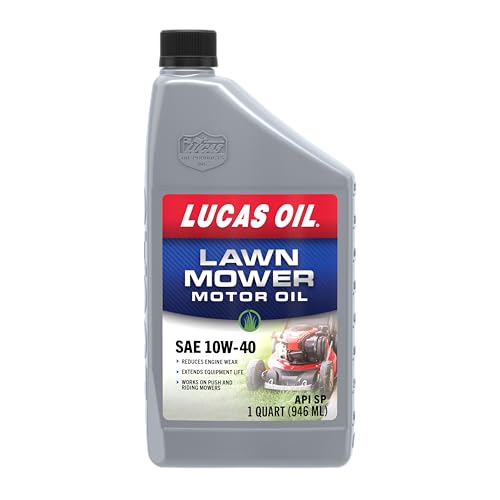
Best for: Push and riding mowers under heavier load or in warmer conditions. This 10W-40 formulation provides robust wear protection and helps guard against overheating in longer mowing sessions.
Limitation: Some users may prefer thinner oil for winter starting; consider climate and engine tolerances before choosing 10W-40 for colder conditions.
Valvoline MaxLife 10W-30 Synthetic Blend, 5 Quart
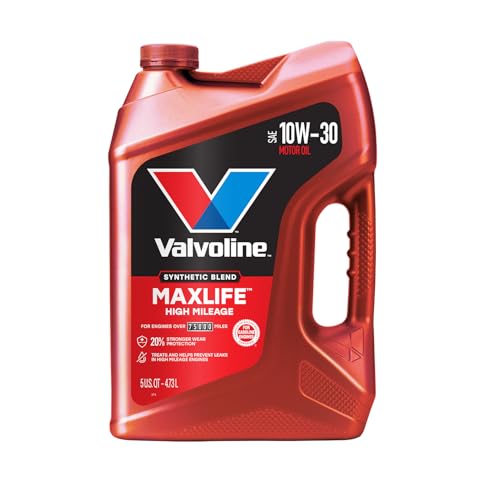
Best for: High-mileage engines that may benefit from seal conditioners and extra detergents. The MaxLife technology helps reduce leaks and oil consumption while maintaining cleaner internals for smoother operation.
Caution: For newer engines, ensure the synthetic blend is specifically recommended by the mower manufacturer, as some new models may prefer fully synthetic or different viscosity grades.
TRIAX Power 4-Stroke SAE 30W
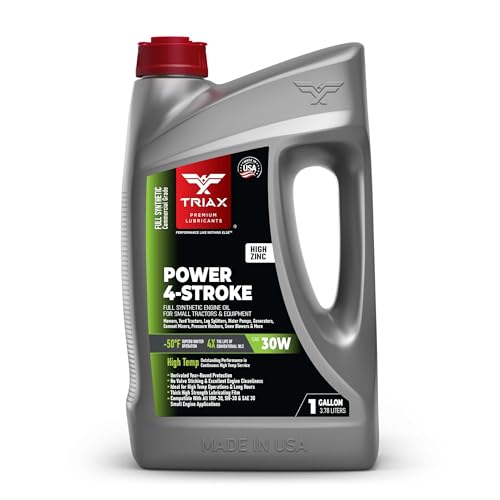
Best for: Heavy-duty, long-life small engines that endure high loads. The high-zinc formula delivers strong wear protection, with all-season performance and excellent deposit control to prevent buildup.
Limitation: The 30W grade is thicker; in very cold climates or for engines with tight tolerances, verify cold-start performance needs before choosing 30W over lighter viscosities.
Valvoline Advanced Full Synthetic 10W-30

Best for: Engines prone to wear and deposit buildup that benefit from advanced protection features. This full synthetic option offers strong wear resistance, better deposit defense, and smoother operation under varying loads.
Limitation: Higher upfront cost compared to some blends; consider long-term maintenance needs and how often you run the engine in your mowing season.
Buying Guide: How to Choose Lawn Mower Oil
- Oil viscosity matters. For most American climates, 10W-30 provides balanced cold-start protection and high-temperature performance. In very cold regions, 5W-30 or 0W-30 may offer easier starts; in hot climates, 30W can improve film strength for heavy loads.
- Oil type: Synthetic blend oils offer a middle ground between cost and performance, while full synthetic oils deliver superior wear protection and deposit control in demanding use. Choose based on engine design, maintenance schedule, and climate.
- Compatibility: Always check your mower’s owner manual for the recommended viscosity and oil type. Some engines require specific formulations or seal conditioners for high-mileage models.
- Seasonal considerations: All-season formulas help with starts in cold weather and protection during hot mowing days. Consider changing oil at the start of each mowing season for best performance.
- Wear protection and deposits: Oils with enhanced wear protection, anti-oxidants, and detergents help reduce engine wear and buildup, extending engine life and maintaining efficiency.
Frequently Asked Questions
- What viscosity should I use in a typical mower? – Most mowers perform well with 10W-30, but always follow the manufacturer’s recommendation.
- Is synthetic oil worth the extra cost for a lawn mower? – Synthetic blends and full synthetic oils offer better wear protection and deposit control, which can benefit long-term engine health in demanding use.
- Can I mix oil brands in the same engine? – It’s best to avoid mixing oils; stay with one brand and type to maintain consistent protection and performance.
- How often should I change mower oil? – Follow your mower’s manual; many small engines benefit from annual changes or every 50-100 hours of use.
- Does high-mileage oil help lawn mowers with older engines? – Yes, high-mileage formulas often include seal conditioners that can reduce leaks and oil consumption in older engines.
- What about 30W oil in cold weather? – 30W is thicker and may reduce cold-start ease in very cold climates; consider a lighter viscosity if cold starts are a concern.