
Choosing the right metal circular saw setup depends on cutting speed, durability, and how cleanly the tool handles steel and other metals. This guide highlights five strong options from trusted brands, including corded and cordless saws and high-performance blades designed for metal work. Each entry includes key features to help you compare options for fabrication, welding prep, and general metalworking projects. Use these selections as a baseline for identifying a machine or blade that fits your job site needs.
Summary of Selected Products
| Product | Brand | Type | Key Benefit |
|---|---|---|---|
| M18 Fuel Metal Cutting Circular Saw (Bare Tool) | Milwaukee | Cordless Circular Saw | Fast, durable, long tool life with brushless motor |
| Evolution S210CCS Metal Cutting Circular Saw | EVOLUTION | Corded Circular Saw | Cool, burr-free cuts with high torque |
| Evolution S185CCSL | EVOLUTION | Corded Circular Saw | Lightweight, powerful, clean TCT blade cuts |
| DEWALT DCS373B 20V Max | DEWALT | Cordless Metal Cutting Saw | High speed with integrated LED for visibility |
| Diablo D0748CF Blade | Diablo | Ceramic Carbide Blade | Long life, cooler and faster metal cutting |
M18 Fuel Metal Cutting Circular Saw (Bare Tool)

The Milwaukee M18 Fuel Metal Cutting Circular Saw uses a brushless motor rated for heavy metal cutting, delivering up to 3,900 RPMs. The brushless design reduces wear and extends tool life, ideal for daily metal fabrication work. The tool also benefits from M18 Redlithium batteries capable of delivering up to 370 cuts in 3/4″ EMT, enabling all-day productivity without frequent recharges. Its ergonomic design supports overhead and on-site versatility for metalworking jobs.
Evolution S210CCS Metal Cutting Circular Saw
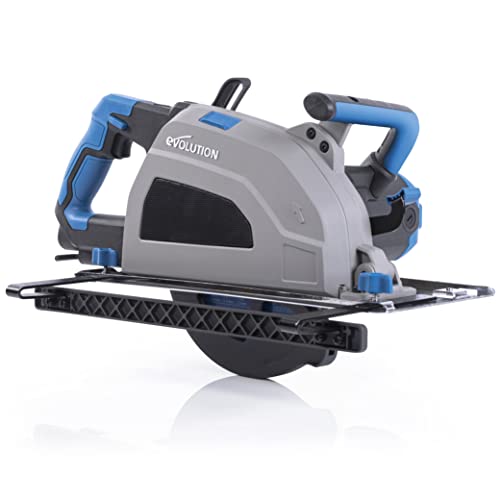
This Evolution model emphasizes fast, cool, burr-free steel cutting with an advanced TCT blade. It’s built for heavy-duty use, offering a high-torque motor and an intelligent overload system to maintain performance under demanding fabrication workloads. A built-in chip collection system captures metal debris efficiently, supporting quick cleanup between cuts and reducing downtime on busy projects.
Evolution S185CCSL 7-1/4” Metal Cutting Saw
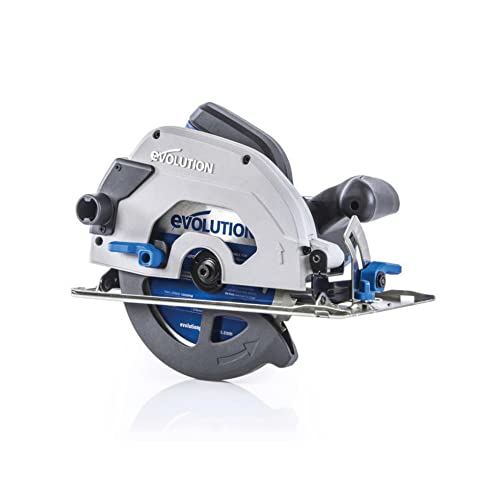
The Evolution S185CCSL delivers a robust 15-amp motor for heavy-duty steel cutting, while remaining relatively light at 11.4 pounds for easier maneuvering and overhead work. Its 7-1/4” TCT blade provides clean, burr-free cuts with minimal heat buildup, making it suitable for fabrication and welding preparation. The saw is designed for reliable daily use with accurate and powerful performance.
DEWALT DCS373B 20V Max Metal Cutting Circular Saw

DEWALT’s DCS373B pairs a 460 MWO, 3700 RPM motor with a 5-1/2-inch metal cutting blade for fast, precise cuts in metal construction materials. The 20V Max cordless platform allows for mobility on job sites where power outlets aren’t readily available. A bright LED with a 20-second delay improves cut-line visibility in various lighting conditions, contributing to safer, more accurate cuts in metal.
Diablo Steel Demon D0748CF Blade

Diablo’s Steel Demon Cermet II saw blade features a triple chip grind and Perma-Shield coating for superior durability and wear resistance. It’s designed for medium metal cutting and offers extended life versus standard blades. The blade’s ATB tooth geometry supports efficient cutting in mild steel, angle iron, EMT conduit, and other tough metal profiles, with cooler operation and faster performance compared to abrasive methods.
Buying Guide: Key Purchase Considerations for Metal Cutting on the Job
- Material compatibility: Determine whether you primarily cut mild steel, stainless steel, or aluminum, and choose blades with appropriate tooth geometry and carbide options (e.g., ATB, Tri-Edge, or Cermet II) tailored to those metals.
- Power source and portability: Corded models deliver consistent performance for extended cuts, while cordless options offer portability on job sites without outlets. Consider battery chemistry, runtime, and charger availability when selecting a cordless saw.
- Cut quality vs. speed: A high-torque motor paired with a quality blade yields cleaner cuts with less burr and heat. For fabrication, burr-free edges speed up welding prep and reduce post-processing work.
- Blade compatibility: Confirm arbor size, tooth count, kerf, and blade coating to ensure compatibility with existing saws and to maximize tool life. Coatings like Perma-Shield help resist rust and friction.
- Dust, debris, and cleanup: Models with integrated chip or dust collection improve cleanup on busy jobsites, reducing downtime between cuts and improving efficiency.
- Durability and ergonomics: Look for rugged housings, balanced weight, and comfortable grips for overhead or long-duration use. Reliable safety features and guards protect workers during metal cutting tasks.
- Cost of ownership: Factor in blade life, maintenance needs, and the frequency of blade changes, especially in high-production environments where blade life drives overall costs.
When selecting a metal cutting setup, balance cutting speed, edge quality, and tool longevity. The products listed above offer diverse configurations—from compact cordless options to heavy-duty corded models and long-lasting carbide blades—covering a wide range of metal cutting scenarios. Cross-reference material type, project scope, and site conditions to choose the most effective combination for your workflow.