
Choosing the right finish for interior wood doors can dramatically alter appearance, durability, and ease of maintenance. This guide compares five top options that balance aesthetics, protection, and ease of application for common interior doors. Ideal buyers include DIY homeowners updating a single room, renters seeking temporary yet durable results, and renovators aiming for a cohesive, low-odor finish. Below, a quick summary table helps you compare key points at a glance.
| Product | Type | Best For | Key Benefit |
|---|---|---|---|
| Giani Wood Look Paint Kit (English Oak) | Wood-look paint kit | Transform dated doors with a real-wood appearance | Instant curb appeal in 4 hours |
| Giani Wood Look Paint Kit (Honey Oak) | Wood-look paint kit | Quick, dramatic door makeover | 4-hour application, versatile on multiple substrates |
| Minwax Polycrylic Protective Finish (Clear Satin) | Clear protective finish | Clear protection over stained or painted doors | Non-yellowing, low odor, satin sheen |
| Varathane Fast Dry Wood Stain (Dark Walnut) | Interior wood stain | Rich color and grain enhancement for doors | One-coat coverage, dries quickly |
| Rust-Oleum Dry Door & Trim Paint (Satin White) | Ready-to-use door/trim paint | Fast, durable finish for interior doors | Fast-drying, low-odor water-based formula |
Giani Wood Look Paint Kit English Oak
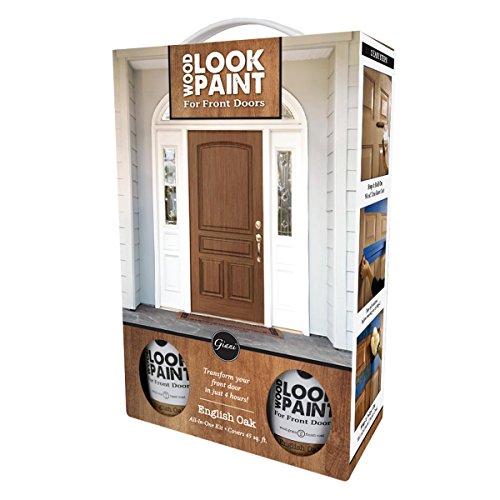
Product type and best use: A wood-look kit designed to imitate oak finishes on interior or exterior doors. It is intended to refresh doors without solid staining, offering a convincing grain pattern. This kit is best for buyers seeking a quick, dramatic door upgrade that resembles real wood.
Why chosen: Best for “instant curb appeal” and for homeowners who want a real-wood look without multiple coats of stain and varnish. It covers standard door materials and is suitable for painted steel, aluminum, and wood, expanding its versatility beyond solid wood doors.
Who it’s best for: Homeowners looking for a fast, visual door transformation that mimics oak grain. Suitable for those who want a noticeable upgrade with minimal prep.
Caution: Results depend on proper surface prep and technique; failures in application can produce uneven grain or blotching. Follow included instructions for best results.
Giani Wood Look Paint Kit Honey Oak
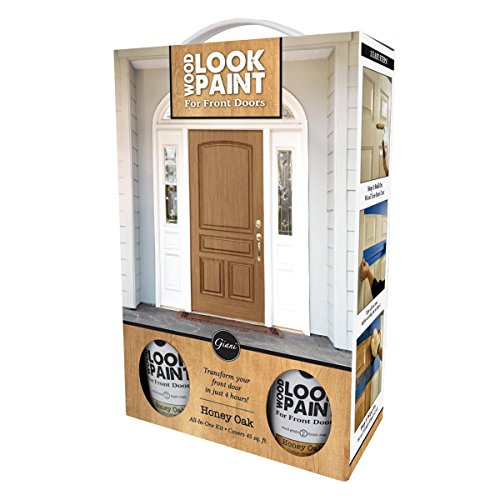
Product type and best use: Similar to the English Oak kit, this option provides a honey-toned oak appearance ideal for medium-tone doors. It is best for interiors where warm, natural wood tones are desired without staining.
Why chosen: Best for achieving a warm, traditional wood look on interior doors without complexity. Suitable for standard door substrates and is user-friendly for quick results.
Who it’s best for: Buyers aiming for a welcoming, classic oak tone in living spaces or hallways. Choose this if you want a warmer finish that pairs well with neutral or earth-toned decors.
Caution: Color likeness to natural oak varies with lighting; test on a small area first to ensure satisfaction before full application.
Minwax Polycrylic Protective Finish, Clear Satin

Product type and best use: A clear protective topcoat designed for interior wood projects, including doors. It protects against scratches, spills, and dirt while preserving the natural wood color with a satin sheen.
Why chosen: Best for protecting stained or painted doors with a non-yellowing, low-odor finish. The satin sheen offers a modern, subtle look that keeps wood tones visible.
Who it’s best for: DIYers who want durable protection without altering the underlying color. Ideal for doors that receive frequent use or in high-traffic areas.
Caution: As with any clear finish, ensure adequate ventilation during application and drying. Avoid applying over heavily unfinished surfaces without proper priming.
Varathane Fast Dry Wood Stain Dark Walnut
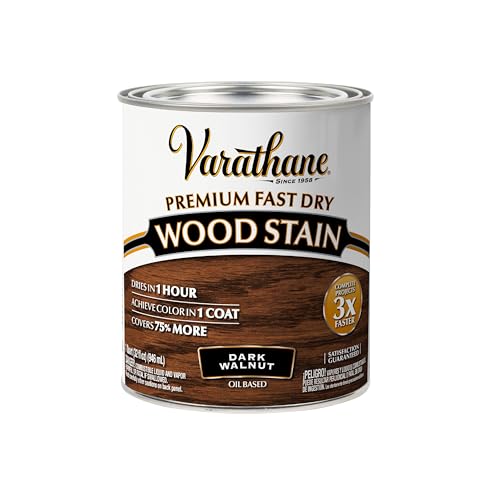
Product type and best use: An interior wood stain that enhances grain and adds rich color to doors and trim. It provides one-coat coverage and dries quickly for faster project completion.
Why chosen: Best for deepening wood tones and adding drama to door surfaces. Its fast-dry formula reduces waiting time between steps, which helps with multi-door projects.
Who it’s best for: Homeowners updating unfinished or bare wood doors or those switching from lighter to darker tones. Choose this for a pronounced color shift with minimal coats.
Caution: Dark stains can highlight wood inconsistencies or blotching; pre-stain Conditioner or test on a hidden area to even out color.
Rust-Oleum Dry Door & Trim Paint White

Product type and best use: A ready-to-use, water-based door and trim paint suitable for interior and exterior surfaces, including metal, wood, and fiberglass. It dries quickly and resists fading for a long-lasting finish.
Why chosen: Best for a fast, uniform white door makeover with minimal odor and cleanup. Its quick-dry property supports multiple door projects in a short time frame.
Who it’s best for: Apartments or homes seeking a clean, modern white door look with straightforward application. Choose this when speed and low odor are priorities.
Caution: White finishes can show fingerprints and dust more readily; consider a satin sheen if a slight sheen helps hide minor imperfections.
Rust-Oleum Dry Door & Trim Paint Black

Product type and best use: A ready-to-use, water-based door and trim paint in satin black for interior or exterior surfaces. It provides fast drying and fade resistance.
Why chosen: Best for achieving a bold, contemporary contrast with lighter walls or to match black hardware. This option is better for dramatic door accents and modern interiors.
Who it’s best for: Buyers seeking a striking, high-contrast door finish. Choose this if you want a durable, low-odor black paint with quick dry times.
Caution: Dark finishes can reveal surface imperfections more clearly; proper surface prep helps ensure a smooth, even appearance.
Varathane Triple Thick Polyurethane Clear Finish

Product type and best use: A polyurethane clear finish with a self-leveling formula that resists scratches and stains. It is suitable for interior wood surfaces like doors and trim. It provides one-coat durability for certain applications.
Why chosen: Best for adding a durable top layer to protect stained or painted doors while maintaining a natural wood-like sheen. The self-leveling formula helps reduce brush marks on flat door panels.
Who it’s best for: Homeowners who want a strong protective coat with minimal application steps on interior doors. Choose this for a high-clarity, glossy look with good abrasion resistance.
Caution: May require multiple coats for heavy-use doors; ensure proper ventilation and follow recoat times specified by the manufacturer.
Buying Guide: Key Considerations for Interior Door Finishes
What should you consider before picking a finish for interior doors?
- Surface type: Are your doors stained, painted, or unfinished wood? Some products are better suited for raw wood, while others excel over painted surfaces.
- Desired look: Do you want a wood-grain look, a solid color, or a clear protective layer that preserves natural wood? Your choice guides whether you should choose a stain, paint, or clear finish.
- Durability needs: High-traffic areas may require tougher coatings with scratch, scuff, and water resistance. Consider topcoats like polyurethanes or protective sealants.
- Drying time: If you’re updating multiple doors, faster-drying products reduce downtime. Look for one-coat or quick-dry formulas where applicable.
- Odor and ventilation: Water-based products generally emit less odor and are easier to ventilate, which is important for indoor use.
- Color consistency: Wood-look kits can yield consistent grains, but real wood can vary with each batch. Test on a hidden panel first.
- Maintenance: Some finishes are easier to clean and resist fingerprints or dirt buildup—especially in entryways or corridors.
Application Tips
- Prep: Lightly sand surfaces and remove dust. For bare wood, use a stain conditioner if needed to prevent blotching.
- Test: Apply a small sample on an inconspicuous area to confirm color and sheen.
- Ventilation: Use proper ventilation and adhere to label directions for drying times and recoat windows.
- Multiple doors: Plan a project order to minimize downtime and ensure even coloring across doors.
Frequently Asked Questions
- What finish is best for high-traffic interior doors?
– A durable topcoat like a protective polyurethane or a high-build enamel can resist scratches and scuffs better than basic paints or stains. - Can I apply a clear finish over a painted door?
– Yes, a clear satin or polyurethane topcoat can protect painted surfaces without altering color significantly, but ensure proper adhesion. - Is a wood-look kit better than staining for interior doors?
– Wood-look kits provide a quick, uniform wood appearance and can be easier for non-professionals; staining emphasizes natural grain but requires more technique. - How long does a door finish typically take to cure?
– Dry times vary by product; some sealers dry to touch within hours, while full curing can take days. Always follow manufacturer guidance. - Should I seal both sides of a door?
– If both sides are exposed to wear, sealing both sides helps balance moisture exchange and reduces warping risk.