
Damascus pocket knives blend strength, edge retention, and intricate patterns. This guide highlights five durable options ideal for everyday carry, outdoor adventures, and gift-worthy presents. Each product is described with who it’s best for and why it stands out, plus a practical note on potential limitations. Use these picks to compare blade construction, handle comfort, and locking mechanisms at a glance.
Product Comparison Table
| Product | Blade Pattern | Handle Material | Best For |
|---|---|---|---|
| SDOKEDC Damascus Steel Folding Knife | 67-Layer VG-10 | Yellow Sandalwood | Everyday carry and gifting |
| CIVIVI Praxis | Damascus | Guibourtia Wood | Lightweight EDC with deep carry |
| FH KNIVES 6.5″ Damascus | 1080/15N20, 288-layer twist | Blue Pakka Wood | Hard-use tasks and outdoor adventures |
| CIVIVI Elementum II | Damascus Blade | Ergonomic Handle (design) | Everyday and indoor/outdoor versatility |
| Minowe Damascus Pocket Knife | VG10 core with 67-layer Damascus | Resin and Maple | Handmade, stylish EDC |
SDOKEDC Damascus Steel Folding Knife
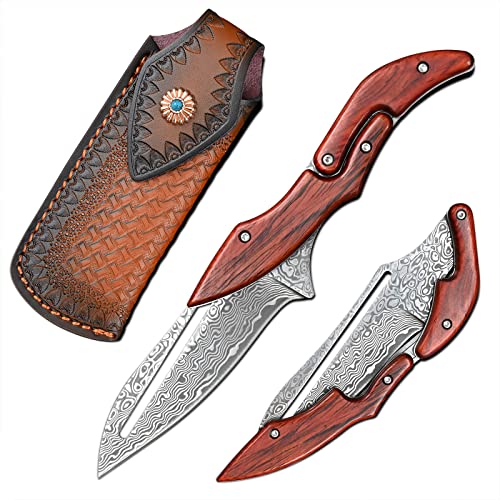
Features: VG-10 Japanese Damascus steel with 60–61 Rockwell hardness, vacuum heat treatment, nitrogen cooling, and a 67-layer pattern. The yellow sandalwood handle offers a unique grain and a comfortable grip. Includes a leather sheath and gift box, making it a stylish gift option. Best for: outdoor enthusiasts who value a distinctive blade and a presentable package. Caution: handle color and grain vary with age and storage, so appearance may differ from product photos.
CIVIVI Praxis Folding Knife
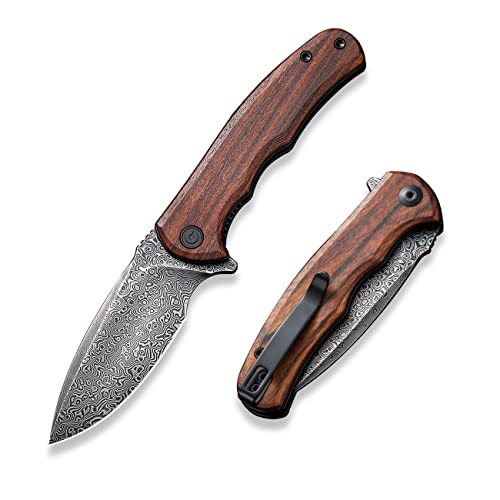
Features: Compact mini Praxis with Damascus steel, 2.98″ blade, 3.81″ closed length, deep carry clip, and ergonomic grip. Best for: urban EDC where a lightweight, easily accessible blade is preferred. Caution: smaller size may limit heavy-duty cutting tasks; not ideal for users needing a full-size blade.
FH KNIVES 6.5 Inch Damascus Pocket Knife
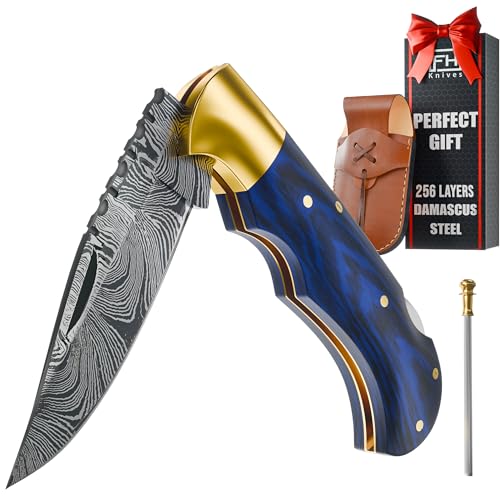
Features: 1080 and 15N20 layered steel, 288-layer twisted Damascus pattern, back lock, blue pakka wood handle with brass linings. Best for: rugged use such as hunting, camping, or heavy-duty tasks where a strong, visually striking blade matters. Caution: heavier and larger than typical EDC blades; check pocket compatibility and blade length for daily carry.
Minowe Handmade Damascus Knife

Features: VG10 core Damascus blade constructed with 67-layer Damascus, resin and maple handle, 7.1″ total length, back lock, and one-handed opening with a ceramic ball system. Best for: stylish, handmade EDC with a reliable lockback and comfortable grip. Caution: blade color and pattern vary by hand-assembly; expect natural variations.
Buying Guide
- Blade material and hardness: Look for VG10 or equivalent high-carbon Damascus cores for edge retention and corrosion resistance. Higher Rockwell values generally indicate better edge stability.
- Damascus pattern and layering: More layers often translate to unique aesthetics and potential strength, but pattern varies; choose based on personal preference and use-case rather than pattern alone.
- Handle material and grip: Wood handles offer classic style but may age with use; resin or aluminum options provide durability and a steadier grip in wet conditions.
- Locking mechanism: Back lock or liner lock improves safety for one-handed operation. Ensure the lock engages fully before use.
- Size and weight: For EDC, lighter and slimmer knives are easier to carry daily. For camping and hunting, a longer blade and sturdier construction may be preferable.
- Maintenance needs: Damascus blades require basic care to prevent corrosion; wipe dry after exposure to moisture and avoid aggressive solvents that may affect the finish.
Frequently Asked Questions
- What makes Damascus steel good for pocket knives?
Damascus steel blends hardness, edge retention, and distinct patterns, resulting in durable blades that stay sharp longer under typical use.
- Is a larger Damascus knife better for camping?
Not necessarily. Larger blades can handle tougher tasks but may be heavier to carry. Choose blade length based on typical tasks and carry preference.
- How should I maintain a Damascus blade?
Wipe after use, dry thoroughly, and lightly oil the blade to prevent rust. Avoid soaking and store in a dry place.
- What is a good beginner Damascus knife?
Look for a mid-length blade with a comfortable grip and a reliable locking mechanism. Handles that feel natural in the hand are important for new users.
- Are handmade Damascus knives more valuable?
Handmade pieces often feature unique patterns and craftsmanship. Variations are normal, and this can add to the knife’s character and appeal.