
Answer: A corded oscillating multi-tool is best for consistent power and demanding work across metal, wood, tile, and drywall. This guide focuses on top options that suit DIYers, hobbyists, and professionals who want reliable, corded performance for cutting, sanding, scraping, and grinding. Below are five well-rounded choices with clear pros, ideal uses, and practical cautions. A quick buyer’s table follows to help you compare at a glance.
Product Quick Comparison
| Product | Best For | Key Strength | Limitations |
|---|---|---|---|
| JORGENSEN Oscillating Tool 70800 | Versatile kit, general contracting | High 5° oscillation; 16 blades | Bulkier bundle |
| ENERTWIST ET-OM-500 | Heavy-duty demolition and quick cuts | 5° angle; 6 speeds | Mid-range weight |
| GALAX PRO 3.5A Kit | Budget-friendly busy projects | Wide accessory set; quick clamp | Light on metal-heavy tasks |
| Dremel MM50-02 | Fine detail with metal/wood work | Low vibration; compact head | Limited included blades for some jobs |
| DEWALT CMEW401 | Professional-grade versatility | Tool-free changes; strong motor | Higher price |
JORGENSEN Oscillating Tool 70800

The JORGENSEN 70800 combines a 4-amp motor with a 5° oscillation angle, designed to cut more efficiently than standard tools. It ships with a 16-piece blade set and a carrying bag for on-site portability. Best for general renovations, trim work, and light-to-medium demolition where a ready-to-go kit saves setup time.
- Best for users who want a broad blade assortment for varied tasks
- 16-piece blade including flush-cut and sanding options
- Quick-change system to minimize downtime
Best for: DIY enthusiasts tackling multiple tasks in one project, or contractors who value a complete starter kit. Caution: Overly aggressive use with the wrong blade can cause gouges; ensure blade type matches the job.
ENERTWIST Oscillating Tool ET-OM-500
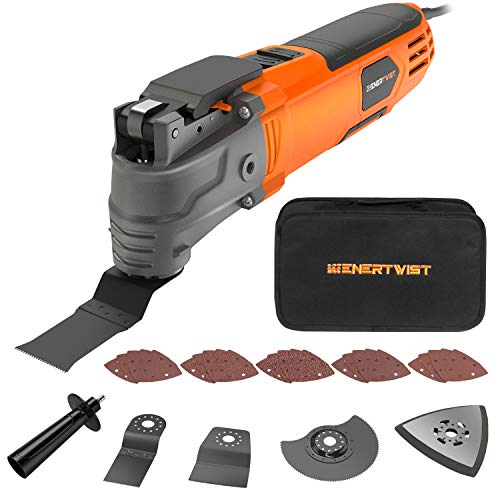
The ENERTWIST ET-OM-500 uses a 4.2-amp motor and a 5° oscillation angle to maximize cutting speed while maintaining control. With 31 accessories and a carrying bag, this kit is well-suited for heavy remodeling, tile work, and trim removal. Its six-speed settings help tailor performance to material hardness and depth of cut.
- Best for: users needing a wide accessory library and adjustable speed
- Better for: tile, metal, and dense cutting jobs with consistent power
- Limit: heavier kits may be tiring for small-handed users
Choosing this option makes sense if you want a robust selection of blades and a balanced weight for longer sessions. Caution: Make sure to select the correct blade shield to protect adjacent surfaces during flush cuts.
GALAX PRO 3.5A Kit
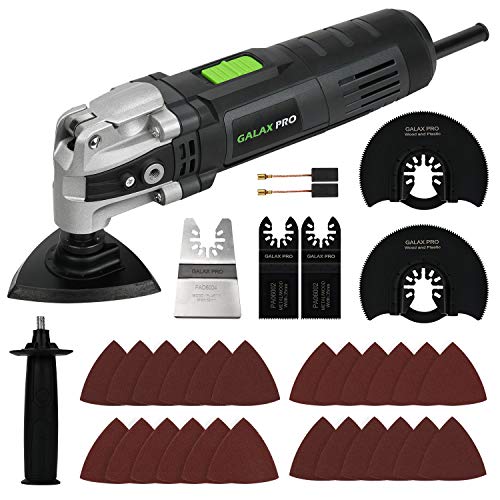
The GALAX PRO kit offers a 3.5-amp motor and a 4° oscillation angle with a broad 30-piece accessory set. It features a quick clamp system for blade changes and a compact build for reaching tight spaces. This kit is an attractive option for budget-conscious buyers who still need a versatile tool for cutting, sanding, and scraping.
- Best for: budget-minded projects with diverse tasks
- Better for: light-to-mid-duty remodeling and carpentry
- Limit: may not deliver top-tier performance on heavy metal tasks
Selected for: value-focused users who want a broad accessory mix and easy blade changes. Caution: Some users may prefer higher torque for dense materials; consider a heavier model for frequent metal work.
CRAFTSMAN Oscillating Tool CMEW401

The CRAFTSMAN CMEW401 offers a 3-amp motor and a universal tool-free accessory system. It includes blades, sandpaper, and a tool bag, delivering reliable performance for everyday tasks like trimming, sanding, and light demolition. It’s a practical pick for homeowners who want a straightforward, easy-to-use tool without extra frills.
- Best for: homeowners beginning to build a toolbox
- Better for: simple projects where quick blade changes matter
- Limit: fewer high-end features than premium brands
Selected for: users who value simplicity and reliability over advanced features. Caution: It may lack the torque needed for tough metal cuts; plan accordingly.
Dremel MM50-02 5 Amp Kit
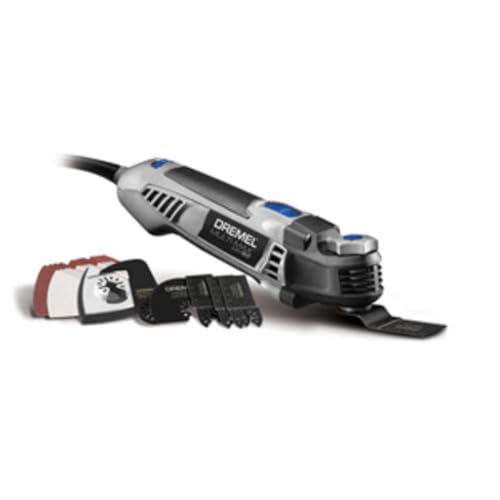
The Dremel MM50-02 provides a 5-amp motor and a compact head for tight spots. It ships with 16 accessories and a storage bag, making it a capable choice for metal and wood cutting, sanding, and precise openings. The low-vibration design helps with longer sessions and cleaner results.
- Best for: detailed work and tight spaces
- Better for: users who value exact cuts and smooth finishes
- Limitation: some users may need more heavy-duty torque for thick metal work
Choose this if you prioritize precision, cleaner finishes, and a well-rounded accessory set. Caution: For heavy-duty metal demolition, ensure blades are rated for metal use and check vibration levels during long runs.
DEWALT Oscillating Tool CMEW315K

The DEWALT CMEW315K combines a robust 3-amp motor with a quick-change accessory system that enables fast blade swaps. Its dual-grip variable-speed trigger gives users precise control across applications, from cutting drywall to sanding trim. This option is favored by professionals who value durability and quick adaptability.
- Best for: professionals needing dependable performance
- Better for: frequent blade changes and a wide range of tasks
- Limit: higher price compared to entry-level kits
Selected for: users who require strong performance and dependable interchangeability. Caution: The price reflects professional-grade features; ensure the tool fits your typical workload and budget.
Buying Guide: Corded Oscillating Multi Tool Essentials
What power level do I need?
Look for a motor in the 3–5 amp range for a good balance of torque and efficiency across wood, metal, and tile tasks. Higher amperage generally supports tougher material cuts without stalling.
How important is the oscillation angle?
A wider 4–5° angle improves cutting speed, while smaller angles offer finer control for flush cuts and detail work. Choose according to your typical projects and space constraints.
Should I prioritize speed settings or a fixed speed?
Variable-speed machines (8000–22,000 OPM) give versatility for different materials. Fixed-speed tools are simpler and may be adequate for straightforward tasks.
What about blade compatibility and quick changes?
Prefer universal or tool-free attachment systems for faster blade swaps. A secure locking mechanism helps prevent accidental blade release during operation.
What accessories matter most?
For general remodeling, a broad blade set (flush-cut blades, scrapers, sanding pads, and sanding papers) covers most tasks. If tile or metal work is common, ensure you have appropriate carbide or bi-metal blades.
Weight and ergonomics
Heavier units reduce fatigue on long jobs but can be harder to maneuver in tight spaces. Look for a comfortable grip, balanced weight distribution, and vibration-reducing designs.
Durability and warranty considerations
Durable housings, robust trigger mechanisms, and tested accessories contribute to longer tool life. Consider brands that supply replacement parts and compatible blades over the long term.
FAQ
- What is a corded oscillating tool best used for?
A corded oscillating tool excels at cutting, sanding, scraping, and grout removal across wood, metal, drywall, and tile, especially where versatility and continuous power are needed.
- Is a higher amp motor always better?
A higher amp motor provides more torque for dense material but may add weight. Choose based on the typical materials you work with and comfort during use.
- Do I need a full accessory kit or can I start with a few blades?
For most home projects, a broad starter set is convenient. If you anticipate specialized tasks, add dedicated blades (tile, metal, flush-cut) as needed.
- What should I avoid when using a corded oscillating tool?
Avoid forcing the tool through material; let the blade do the work. Always wear eye protection and keep fingers away from moving blades during changes.
- How do I choose between quick-change and screw-on blade systems?
Quick-change systems save time and reduce downtime for frequent blade swaps, which benefits multi-task projects. Screw-on systems may offer stronger retention in heavy-duty use.
- Are cordless options better for portability?
Cordless tools offer mobility but typically have less sustained power and shorter run times. For continuous work, a corded model provides consistent performance.