
Choosing the right baseboard heater thermostat can improve comfort and energy efficiency. This guide highlights five top line- and high-voltage options from trusted brands, with quick summaries to help you compare features, compatibility, and installation needs. Each product helps manage electric baseboard or convection heaters via Wi‑Fi, smart home ecosystems, or simple manual control.
| Product | Brand | Key Benefit |
|---|---|---|
| Mysa Smart Thermostat LITE | Mysa | Line voltage Wi‑Fi control for 120V–240V with energy savings |
| Mysa Smart Thermostat (240V) | Mysa | High‑voltage compatibility with remote app control |
| Cadet F Series BTF2W | Cadet | Built‑in line‑voltage thermostat for Cadet baseboard units |
| Honeywell Home CT410B | Honeywell Home | Manual 4‑wire line‑voltage control with reliable sensing |
| meross Smart Thermostat | meross | 4‑wire high‑voltage smart thermostat with HomeKit/Alexa/Google |
Below are five detailed product sections to help you assess fit, installation needs, and control options for your space.
Mysa LITE: Line‑Voltage Smart Thermostat
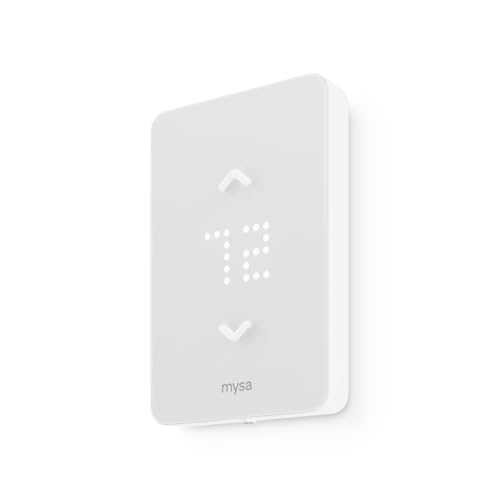
Mysa LITE controls line voltage electric baseboard heaters at 120V–240V and supports fan‑forced heaters and convectors. It enables customizable daily schedules, helping reduce energy usage when away and maintain comfort when home. The app offers remote control and energy insights with no subscription fees. It integrates with HomeKit, Alexa, and Google Assistant for voice and routine automations, and it provides a free app experience for ongoing use.
Mysa 240V Smart Thermostat for Electric Baseboard

This Mysa model is designed for high/line voltage systems, delivering 120–240V support with loads up to 1900W at 120V and 3800W at 240V. It requires at least four wires, including a neutral or a second live wire, for proper function. It supports remote control and scheduling via a 100% free app, along with HomeKit, Alexa, and Google Home compatibility. Features include adaptive display technology for brightness and efficiency features tailored to user habits.
Cadet F Series BTF2W: Built‑In Baseboard Thermostat

Cadet’s F Series BTF2W is a built‑in, double‑pole thermostat designed for Cadet baseboard heaters. It offers a 45°F–80°F (7°C–27°C) temperature range with a large adjustment dial for easy control. It mounts at either end of compatible Cadet baseboard units, simplifying wiring and installation. This model is specifically tuned for Cadet F Series heaters and emphasizes straightforward, reliable operation.
Honeywell Home CT410B Manual 4 Wire Thermostat
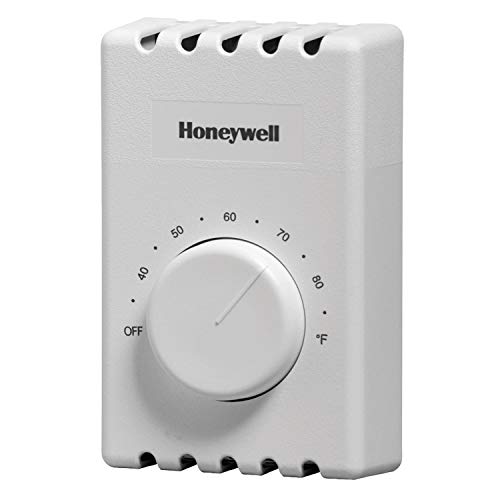
The CT410B is a non‑programmable, manual control line‑voltage thermostat for 120–240V systems. It is compatible with electric baseboards and convectors, and it uses a simple bimetal sensor for dependable operation. This model provides a straightforward option for users who prefer manual adjustment without smart features or connectivity requirements.
meross Smart Thermostat for Baseboard Heaters

meross offers a smart thermostat designed for electric baseboards and high‑voltage systems, with a maximum load supporting 16A (1920W at 120V and 3840W at 240V). It requires four wires and is compatible with Apple HomeKit, Alexa, and Google Home, enabling voice control and routines. The installation is described as under 30 minutes for a standard four‑wire setup, making it a convenient option for smart homes seeking simple integration.
Buying Guide: Key Considerations for Baseboard Thermostats
- Voltage and load compatibility: Confirm your system’s voltage (120V, 240V, or dual) and the heater wattage to ensure the thermostat supports the load.
- Wiring requirements: Some high‑voltage thermostats require four wires (including a neutral or second live). Verify existing wiring before purchasing.
- Smart features and ecosystem: Decide whether you want Wi‑Fi, remote control, and voice assistant compatibility (HomeKit, Alexa, Google). Consider subscription policies and app reliability.
- Installation complexity: Manual thermostats tend to be quicker and simpler to install, while smart models may require wiring checks or professional installation for optimal performance.
- Energy management: Look for scheduling, adaptive display, energy reports, and integration with home automation for better energy savings.
- Safety and durability: Ensure the thermostat has proper temperature sensing, protection features for safety, and compatibility with your baseboard model to prevent overheating or nuisance shutoffs.
- Display and usability: Adaptive brightness and easy‑to‑read displays help in bedrooms and living areas where visibility is important.
- Future‑proofing: Choose models with ongoing app support and frequent firmware updates to maintain compatibility with evolving smart home platforms.