
PVC sheet projects demand adhesives that deliver strong, durable bonds without compromising material integrity. The following products are among the most relevant options for bonding PVC sheets, vinyl, and related plastics. This guide highlights strengths, compatibility, and application tips to help you choose the right glue for your project.
| Product | Brand | Best For | Notes |
|---|---|---|---|
| Protado Plastic Glue | Protado | General plastic repairs | Fast, precise application with a precision nozzle |
| HH-66 Toluene Free Vinyl Cement | RH Adhesives | Vinyl surfaces and PVC vinyl blends | Toluene-free for safer use |
| PVC Trim Adhesive White | Titebond | PVC trim and non-porous substrates | 2-in-1 adhesive and sealant |
| Titebond PVC Trim Joint Adhesive | Titebond | PVC joints and trim work | High strength, permanent bond |
| HOOK UP Vinyl Contact Cement | HOOK UP | Vinyl repairs and pools, inflatables | Waterproof, fast-drying |
Protado Plastic Glue For Strong PVC Bonds

Protado Plastic Glue is marketed as an industrial-grade adhesive designed for repairing damaged plastics, including PVC, ABS, PLA, and more. It promises seamless, invisible bonds ideal for toys, furniture, car parts, and models. The formula is described as super strong with rapid bonding, with a drying window of 10-30 seconds. For best results, surfaces should be clean and dry, with a recommended 24-hour cure for full strength. The product includes a precision nozzle for drip-free, accurate application, beneficial for detailed repairs and hard-to-reach areas.
HH-66 Toluene Free Vinyl Cement
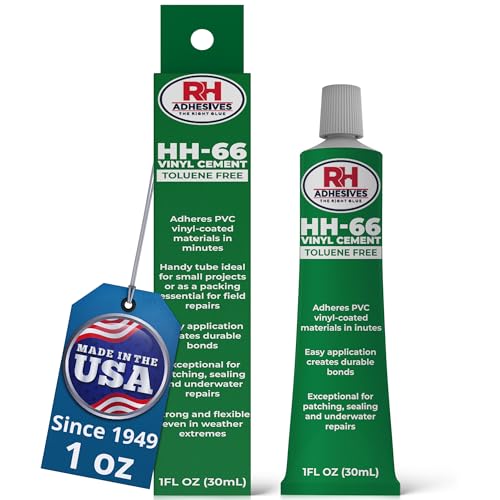
HH-66 is a toluene-free vinyl cement designed for versatile vinyl and PVC applications. It is suitable for sealing stitched seams, patches, and moldings, and also works with PVC vinyl, canvas, cork, fiberglass, glass, leather, and other vinyl-backed materials. The toluene-free formula emphasizes safer handling and environmental considerations while maintaining strong bonding capabilities for vinyl repairs and aftermarket vinyl components.
PVC Trim Adhesive and Sealant White

Titebond’s PVC Trim Adhesive and Sealant White offers a 2-in-1 solution that adheres and seals PVC to various substrates. It is presented as a fast, efficient installation compound capable of bonding non-porous-to-non-porous materials, making it a strong choice for PVC trim work, deck components, and column wrap installations where a clean, long-lasting bond is required.
Titebond PVC Trim Joint Adhesive

This Titebond adhesive is specifically tailored for PVC joints, trim, miter joints, shiplap, scarf joints, and column wrap installations. It emphasizes high strength and a permanent bond, making it suitable for structural PVC trim work, outdoor projects, and heavy-use PVC assemblies where reliable adhesion is essential.
HOOK UP Vinyl Contact Cement

HOOK UP Vinyl Contact Cement is designed for strong, waterproof bonding on vinyl surfaces, including pools, inflatables, PVC pipes, and tarps. It is promoted as fast-drying and robust, forming a durable seal after curing. This product is positioned for quick field repairs and projects where vinyl components need reliable adhesion with minimal downtime.
Buying Guide: Key Considerations For PVC Sheet Adhesives
Choosing the right adhesive for PVC sheet projects involves evaluating substrate compatibility, bonding strength, cure time, and application method. PVC is non-porous, so bond lines require adhesives designed for plastic-to-plastic adhesion with low surface tension. Consider these factors:
- Substrate compatibility: Confirm that the adhesive lists PVC, vinyl, or non-porous plastics as compatible substrates. For structural PVC sheets, stronger solvent-based or rapid-curing formulations may be preferred.
- Bond strength vs. flexibility: For sheet installations exposed to movement or temperature changes, select an adhesive that offers a strong initial grab with some flexibility after cure to prevent crack propagation.
- Open time and cure: Fast-curing products enable quick repairs, but some projects benefit from longer open times to adjust alignment. Choose accordingly based on join complexity and user proficiency.
- Sealing and weather resistance: Outdoor PVC sheet projects require adhesives with waterproof sealing and UV stability to prevent discoloration and degradation over time.
- Application method: Precision nozzles, brush-ready formulas, or contact cement each suit different project types. Consider whether a drip-free applicator or adjustable nozzle is needed for tight joints.
- Safety and solvents: Some formulas use toluene or other solvents; for safer use, consider toluene-free options and products with lower VOC emissions if working in confined spaces.
- Curing environment: Temperature and humidity influence cure speed. Warmer, dry conditions typically yield faster and stronger bonds for PVC materials.
For best results, follow manufacturer directions, ensure surfaces are clean and dry, and if possible test on a small area before committing to a full build. When choosing between products, cross-check intended use (trim, joints, or vinyl repairs) and environmental exposure to guide your final selection.