
Outdoor power independence is easier with 400W portable solar panels. This guide highlights five top models, covering foldable suitcases, blankets, and rugged all-weather designs. Whether you’re camping, RVing, or preparing for emergencies, these panels offer high efficiency, lightweight design, and versatile setup options to keep power stations charged on the go.
Summary table of chosen products:
| Product | Brand | Key Feature | Weight / Size |
|---|---|---|---|
| 400W Portable Solar Panel for Most Power Stations | Ecosonique Technology | Foldable, lightweight, wide compatibility | ≈20.3 lbs; 26″ x 22″ x 3″ |
| Renogy 400W Portable Solar Panel Blanket | Renogy | 16-fold design, high efficiency | ≈16.1 lbs; packs to backpack size |
| EF ECOFLOW 400W Portable Solar Panel | EF ECOFLOW | Adjustable kickstand case, IP68 rating | ≈35.3 lbs; foldable with case |
| Renogy 400W Portable Solar Panel Suitcase | Renogy | Durable suitcase with kickstands | ≈30.2 lbs; compact when folded |
| Anker SOLIX PS400 Solar Panel | Anker | Adjustable angles, IP67 waterproof | ≈unknown weight |
Ecosonique 400W Portable Solar Panel

The Ecosonique 400W portable solar panel is designed for compatibility with a range of power stations, including EcoFlow, Jackery, Bluetti, and Anker. Its foldable, compact design weighs about 20.3 pounds and folds down to a manageable 26 by 22 by 3 inches. Built to endure extreme temperatures from -4°F to 158°F, this panel aims at long-term reliability and rugged outdoor use. A 3-meter MC4 cable plus a 0.5-meter MC4 to XT60/Anderson/DC8020 cable ensures straightforward setup for solar generators, RVs, and camping gear.
Key considerations: durability under varying climates, foldability for storage, and broad compatibility with common power stations. For travelers who need a balance of portability and performance, this option emphasizes toughness and versatile connections.
Renogy 400W Portable Solar Panel Blanket
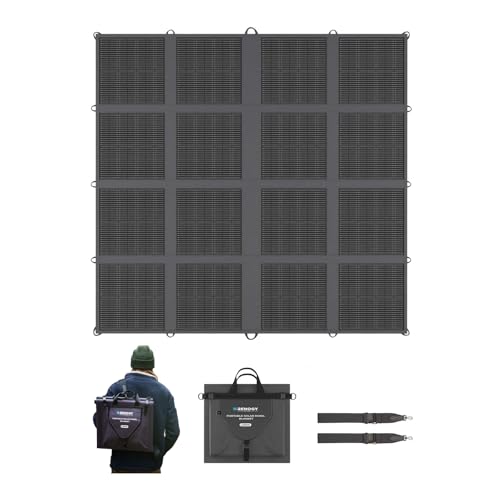
Renogy’s 400W solar panel blanket uses a 16-fold design to minimize bulk, weighing about 16.09 pounds and packing down to backpack-size dimensions. Its versatility shines through multiple installation methods—lay across a windshield for shade, deploy on the ground, or suspend between trees or racks for optimal sun exposure. The panel incorporates 16BB N-Type solar cells with an efficiency of around 25%, enabling strong performance in tight spaces. It’s designed for quick setup and extended outdoor use, with a durability focus suited for camping, RV trips, and off-grid adventures.
Important factors: ultra-light weight, compact storage, high-efficiency cells, and flexible installation. This option suits travelers who prioritize space-saving design without compromising 400W output while on the road.
EF ECOFLOW 400W Portable Solar Panel
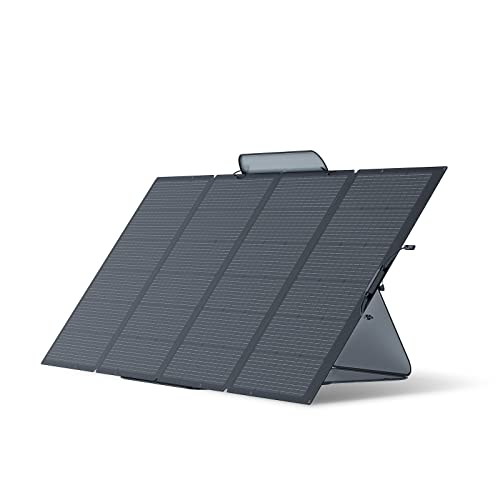
EF EcoFlow’s 400W panel is built for outdoor reliability with a foldable design and an adjustable carry case. It weighs around 16 kilograms (35.3 pounds) and comes with weather-conscious construction featuring multiple layers of EVA and fiberglass. The IP68 rating indicates strong dust and water resistance for outdoor use, while the foldable form supports easy transport. The main caveat is that the product’s waterproofing applies to the main body; junction boxes and connectors require care around moisture. This panel targets users who value durability and rugged performance in variable weather.
Considerations include weatherproofing, portability, and integration with EcoFlow and other power stations. It’s suitable for campers, boaters, and those who need dependable power in remote areas.
Renogy 400W Portable Solar Panel Suitcase

Renogy’s 400W suitcase panel emphasizes durability with fiberglass reinforcement and ETFE coating. It folds to a compact size and includes sturdy kickstands, enabling quick setup for RVs, camping, or off-grid outages. The panel’s efficiency sits around 23%, which is robust for a foldable unit, and it’s designed for extended outdoor use with protection against environmental exposure. The IP68 connectors ensure reliable connections in challenging environments, helping users maintain steady power flow to a wide range of portable power stations.
Buyers should weigh the foldability against the panel’s weight and the ease of transport. This option suits travelers who need rugged reliability and a compact footprint for frequent travel.
Anker SOLIX PS400 Solar Panel

Anker’s SOLIX PS400 is a foldable 400W panel designed for camping, RVs, and emergency power. It offers adjustable sun angles with four preset positions to optimize solar capture across different times of day. The panel features robust ETFE coating for outer protection and a strong polymer composite interior for durability. The design focuses on durability and user-friendly positioning, enabling quick setup and reliable charging with compatible power stations. The product emphasizes efficiency and an adaptable mounting approach for diverse outdoor applications.
Key decisions include sun-angle flexibility, build quality, and waterproofing in outdoor contexts. This option appeals to users who value precise angle tuning for maximum harvest and versatile deployment scenarios.
Buying Guide: Key Purchase Considerations and Comparisons
Efficiency and output: Look for panels with high cell efficiency (20% and above is common for premium foldables) to maximize energy from limited sunlight. N-Type cells often offer better performance in heat and cloudy conditions than standard 5- or 9-busbar designs.
Portability and storage: Foldable panels with compact packing sizes are ideal for vehicles with limited space. Weighing around 16–21 pounds is typical for a 400W foldable unit, while suitcase designs add built-in stands for quick setup.
Durability: Outdoor panels should tolerate temperature extremes, dust, and moisture. ETFE coatings, fiberglass reinforcements, and IP ratings (IP67/IP68) contribute to longevity and resilience in campsites, RV parks, and off-grid locations.
Compatibility: Ensure the panel is compatible with your power station or solar generator (e.g., EcoFlow, Jackery, Renogy, Anker). Some include multiple cables (MC4, MC3, XT60, Anderson) to simplify connections.
Portability vs. performance trade-offs: Ultra-lightweight blankets offer space efficiency but may compromise ruggedness. Heavier suitcase designs can provide durability and stability with built-in kickstands, but require more storage space. Choose based on travel style, climate, and anticipated use cases.
Weatherproofing and setup speed: Panels with quick setup options, stable kickstands, and weatherproof casings ease field deployment. IP68-rated options provide higher resilience against dust and water exposure than IP67 variants.
Warranty and support: Durable 400W panels typically carry multi-year warranties. A strong warranty and accessible customer support help protect your investment when used in demanding environments.
In sum, the best 400W portable solar panel choice depends on your lifestyle: compact, high-efficiency blankets suit backpack-style transport; rugged suitcase panels fit frequent RV travelers; and weatherproof foldables provide reliable performance in varied outdoor conditions. Compare weight, packing size, efficiency, and compatibility to identify the panel that aligns with your energy needs and travel plans.