
The best answer for buyers seeking gloves for grinding metal is to choose durable, heat-resistant, and abrasion-resistant gloves with good grip and dexterity. This guide highlights five top gloves suited for welding, grinding, or metalworking, outlining who they’re best for and why they were selected. Each option balances protection with comfort, helping you select the right pair for long sessions and tough environments. Suitable buyers include professional welders, shop technicians, fabricators, and DIY enthusiasts tackling metal cutting, grinding, and finishing tasks.
Quick comparison table of selected products:
| Product | Best For | Key Benefit | Notable Limitation |
|---|---|---|---|
| WZQH Leather Work Gloves | General welding, gardening, construction | Heavy-duty cowhide with cotton lining and reinforced palm | Limited size range customization |
| Caiman Genuine Top Cow Grain Leather Velcro Revolution Gloves | Professional TIG/MIG welding | Premium palm padding and wear-patch | Unlined, which may offer less insulation in cold environments |
| TICONN 16 Inch Welding Gloves | High-heat welding, forge work | 3-layer heat resistance up to 1000°F/538°C | Long sleeves may feel bulky for delicate tasks |
| Ironclad Command Impact 360 | Impact protection with touchscreen use | HPPE cut protection and impact padding | Single pair, higher price point |
| TitanFlex Cut Resistant Gloves | Cut-sensitive metalworking | ANSI A5 cut resistance with textured grip | Less heat resistance compared to heavy leather gloves |
WZQH Leather Work Gloves for Men or Women

Best for: General metalworking tasks that require strong hand protection and a comfortable feel. These gloves use 100% split cowhide leather with a soft cotton lining for abrasion resistance and flexibility. The reinforced palm and adjustable wrist help prevent debris entry. They are well-suited for welding, construction, and garden-to-work transitions where durability matters.
Why selected: The combination of full leather construction and a breathable lining offers solid protection during grinding and torch-related tasks, while the wide size range supports varied hand sizes. The design emphasizes grip and durability for repetitive metalwork actions.
Caution: The outer leather can be stiff for fine motor tasks until broken in; consider a break-in period before precision grinding. Also, sizing may vary by batch, so verify fit with your measurements.
Caiman Top Cow Grain Leather Velcro Revolution Gloves

Best for: TIG/MIG welding environments that require durable palm padding and reinforced protection. These gloves feature premium cow grain leather with a wear-patch and double-stitched palm padding for longevity during demanding tasks.
Why selected: The combination of a heavy-duty back and reinforced palm area makes them a reliable choice for long grinding or welding sessions, reducing fatigue through better impact distribution and palm protection.
Caution: These gloves are unlined, which means less insulation in cooler workshops. They’re best used in environments where heat control is manageable and daily temperatures are tempered by PPE layering.
TICONN 16 Inch Welding Gloves

Best for: Welders needing high heat resistance and forearm protection. The 16″ gloves use a 3-layer construction with a heat-resistant outer cowhide layer, an insulating aluminum foil middle layer, and a soft flame-retardant cotton lining. They are designed to withstand up to 1000°F / 538°C.
Why selected: The extended sleeve length provides added forearm protection against sparks and hot debris, and the reinforced stress points improve durability in rigorous metalworking contexts.
Caution: The inner insulation adds warmth, which can reduce dexterity in cooler but well-ventilated shops. Ensure proper fit to maximize finger flexibility during detail work.
Ironclad Command Impact 360
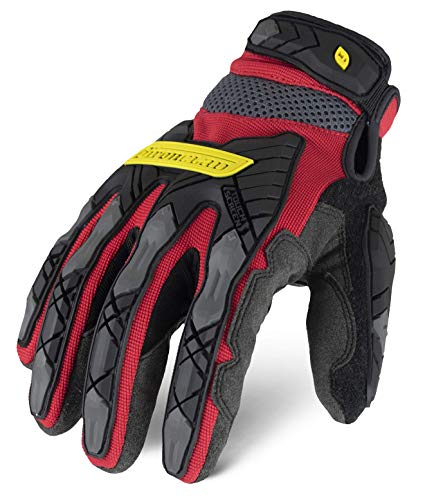
Best for: Tasks requiring enhanced hand safety and tactile control, such as using power tools or working with heavy machinery. These gloves provide cut protection via an HPPE blend and include impact padding on the back of the hand.
Why selected: The combination of cut protection, impact resistance, and touchscreen compatibility makes them versatile for shop workflows where you need to operate devices without removing PPE.
Caution: The emphasis on protection may reduce some dexterity for very fine grinding tasks; users needing maximum fingertip sensitivity may prefer lighter leather options.
TitanFlex Cut Resistant Gloves

Best for: Jobs with sharp metal edges, glass handling, and heavy abrasion where protection from cuts is paramount. ANSI A5 certification signals strong cut resistance and a protective layer for high-risk tasks.
Why selected: The sandy nitrile grip improves control in oily or slippery environments, and the breathable design helps prevent overheating during long grinding sessions. The 3D fit reduces fatigue over time.
Caution: Not optimized for extreme heat; when grinding hot metals or applying direct flame exposure, pair with heat-resistant gloves or a dedicated welding glove for added safety.
Buying Guide
What should you consider when choosing gloves for grinding metal?
- Material: Leather gloves offer excellent abrasion and heat resistance, while nitrile-coated options excel in grip and oil resistance. Consider a blend that matches your primary tasks.
- Heat protection: For high-heat grinding or welding, look for gloves rated to withstand substantial temperatures (e.g., up to 1000°F/538°C). Longer sleeves add forearm protection.
- Dexterity vs. protection: Heavier leather gloves provide more protection but can reduce dexterity. For detailed grinding, seek gloves with reinforced palms while preserving finger mobility.
- Fit and sizing: Proper fit reduces fatigue and prevents tearing. Check size charts and note that some brands offer more inclusive size ranges (XS–XXL).
- Grip and material texture: A textured or nitrile-coated surface improves grip in oily environments, reducing the chance of dropped metal pieces.
- Maintenance: Reusable leather gloves require conditioning and occasional cleaning. Inspect for wear, torn seams, and exposed padding before each use.
Frequently Asked Questions
- What gloves are best for grinding metal without sacrificing dexterity?
– Lighter leather or hybrid gloves with reinforced palms balance protection and finger flexibility for frequent grip tasks. - Do I need heat-resistant gloves for grinding?
– If you work near welding or hot metal, heat-resistant gloves provide essential protection against sparks and radiant heat. - Are longer gloves better for forearm protection?
– Yes, longer gloves protect more of the forearm from sparks and debris, especially in welding or grinding. - How important is a padded palm?
– Palm padding reduces fatigue and protects against impact when handling heavy or sharp objects. - Can I wear touchscreen-compatible gloves while grinding?
– Touchscreen-capable models allow device use without removing gloves, useful for on-site checks or logs. - Should I avoid leather for certain environments?
– Leather performs well in dry or moderately humid settings; high moisture or chemical exposure may warrant coated fabrics.