
Window cleaning rags that deliver streak-free results, quick dry times, and surface-safe performance are essential for homes, offices, and car care. This guide highlights five top microfiber cloths well-suited to glass, mirrors, windshields, and stainless steel. It explains who each rag is best for, plus practical buying tips to compare options at a glance. Ideal buyers include everyday homeowners, detail-focused car enthusiasts, and those seeking chemical-free cleaning with reusable cloths.
Puomue 6 Pack Microfiber Glass Cleaning Cloths
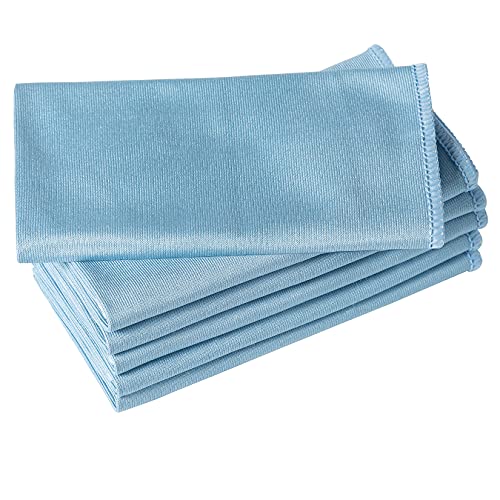
Best for: General home use and large surface cleaning. Puomue’s 6-pack features 16″ x 16″ microfiber cloths designed for rapid water absorption and quick drying. The high absorbency helps tackle spills on windows, windshields, and stainless steel without leaving excessive moisture behind. The soft, lint-free fibers are crafted to trap dust and dirt while minimizing lint transfer, making them suitable for streak-free finishes on glass surfaces.
Why selected: This set emphasizes heavy-duty microfiber with a 320 GSM weight, providing a durable, lint-resistant option that maintains clarity on smooth surfaces. Its size covers broad window panes efficiently, reducing the number of passes needed for cleaning. The cloths’ structural integrity supports repeated use without fibers fraying quickly.
Caution: If you primarily work on delicate or highly polished surfaces, test on a small area first to confirm there’s no micro-scratching risk.
AIDEA Microfiber Glass Cleaning Cloth, 8PK
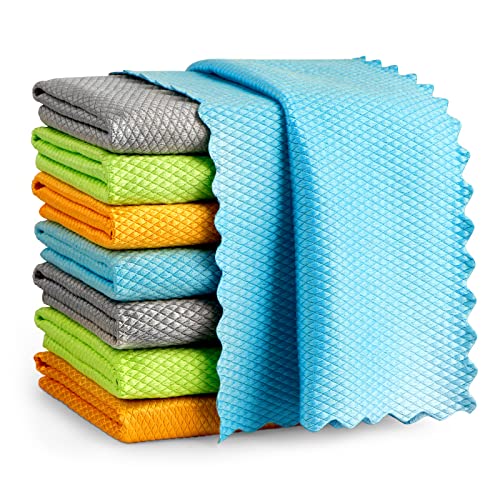
Best for: Reusable, all-purpose glass and window cleaning with minimal lint. The AIDEA cloths use 85% polyester and are designed to be non-abrasive, lint-free, and highly absorbent. They’re suitable for glass, windows, windshields, mirrors, and stainless steel, providing a streak-free finish with reduced fiber shedding.
Why selected: The blend balances absorbency with gentle surface contact, helping protect delicate coatings while delivering solid cleaning power. Easy machine washability adds long-term convenience for frequent use, making them a dependable option for households that clean multiple surfaces.
Limitation: As with many microfiber sets, effectiveness improves with a damp, not soaking-wet, condition; avoid leaving the cloth overly saturated during use.
E-Cloth Window Cleaning Cloth Kit

Best for: Eco-friendly, chemical-free cleaning with just water. The E-Cloth system emphasizes microfiber efficiency, grabbing grime and delivering a streak-free finish on windows, car windshields, and mirrors. The kit is designed for repeat use, with laundry-ready cloths that resist odors and maintain performance.
Why selected: It’s a compact, versatile option that emphasizes reusability and a simple two-cloth approach—one for cleaning and one for polishing—reducing need for cleaners or sprays. This makes it attractive for buyers prioritizing sustainability and low chemical exposure.
Limitation: Some users may prefer larger sizes for very big panes; consider the included cloth dimensions if you routinely clean expansive windows.
MR.SIGA Ultra Fine Microfiber Cloths for Glass

Best for: Detail-oriented cleaning where a soft touch matters. MR.SIGA offers a pack of ultra-fine microfiber cloths designed to be lint-free, non-abrasive, and machine washable. The cloths are praised for providing a smooth polish on glass surfaces without leaving scratches or fibers behind.
Why selected: These cloths balance softness with cleaning power, making them suitable for mirrors, glass, and metal surfaces. The lint-free claim supports reliable streak-free results, especially on delicate finishes where harsher towels might leave behind residue.
Limitation: The cloth count varies by setup; verify the exact pack size to ensure it meets your cleaning frequency and surface area needs.
Norwex Basic Package – Window & Enviro Cloth

Best for: Chemical-free cleaning across multiple washable surfaces. The Norwex EnviroCloth and Window Cloth are designed to remove dust, dirt, and grease using only water. This two-cloth system is intended to deliver sparkling results on windows, mirrors, shower doors, and stainless steel surfaces.
Why selected: Norwex stands out for its well-known emphasis on reducing chemical use, making it appealing to buyers who prefer water-based cleaning. The combo covers both dust removal and glass polishing with a simple, reusable approach.
Caution: Prices and packaging vary; buyers who need a broader selection of sizes may want to compare with other microfiber pairs in this guide.
Buying Guide
- Material and density: Look for microfiber cloths around 300–320 GSM for a balance of absorption and durability. Higher GSM can feel thicker and may be more effective on larger panes but could require more care during washing.
- Lint-free performance: Choose cloths marketed as lint-free to minimize fibers transferring to surfaces, especially on mirrors and glass.
- Surface compatibility: For delicate finishes, opt non-abrasive fabrics and test on a small area first. For stainless steel and chrome, lint-free options help avoid streaks or residue.
- Maintenance: Reusable cloths should be machine washable without fabric softeners that can reduce effectiveness. Always air-dry or tumble low to maintain fiber integrity.
- Size and coverage: Larger cloths cover more area per wipe, reducing cleaning time on big windows. Smaller cloths can be handy for tight corners and detailing.
- Chemical use: If you prefer chemical-free cleaning, prioritize cloths designed for water-only cleaning or those marketed as eco-friendly or chemical-free.
Frequently Asked Questions
- What should I use to prevent streaks on glass? Use lint-free microfiber cloths and avoid leaving surfaces too wet. Wipe in a consistent pattern and finish with a final dry pass using a clean section of the cloth.
- Are microfiber cloths safe for polished surfaces? Yes, non-abrasive microfiber is generally safe for polished surfaces like stainless steel and glass. Test a small area first if uncertain.
- Can I wash microfiber cloths with other fabrics? It’s best to wash microfiber separately or with similar fabrics to minimize lint transfer and preserve fiber quality.
- Which cloth is best for large windows? Larger cloths (around 16″ x 16″ or bigger) tend to cover more area per wipe, reducing the number of passes required.
- Is a two-cloth system enough for cleaning windows? For many buyers, a two-cloth approach (cleaning and polishing) delivers a reliable streak-free finish, especially when paired with water or a mild cleaner as needed.
- Do these cloths work on car windshields? Yes, microfiber cloths designed for glass work well on windshields to remove water and fingerprints without leaving lint behind.
| Product | Best For | Key Benefit | Consideration |
|---|---|---|---|
| Home windows, glass, mirrors | High absorbency; quick drying | Test on delicate finishes | |
| Everyday glass cleaning | Non-abrasive; easy washing | Avoid over-saturation | |
| Eco-friendly cleaning | Reuse; minimal chemicals | May need larger sizes for very big panes | |
| Delicate surfaces | Lint-free; smooth polish | Pack size varies | |
| Chemical-free cleaning | Only water cleaning system | Price/pack considerations |
Choosing the right window cleaning rag depends on your surfaces, preferred cleaning method, and how often you clean. If you want an all-around, high-absorbency option for large panes, Puomue’s 6-pack is a strong fit. For a chemical-free, reusable approach with reliable lint control, Norwex’s basic package stands out. If you aim to minimize waste and rely on just water, E-Cloth’s kit provides a practical, eco-conscious path. For delicate fabrics and polished metals, MR.SIGA’s ultra-fine cloths offer a gentle yet effective clean. Finally, AIDEA’s 8-pack balances absorbency with durability while remaining easy to launder indoors.