
Answering the question: which roofing nails for shingles deliver reliable fastening, corrosion resistance, and easy installation? This guide highlights five dependable options suited for homeowners, professionals, and DIYers tackling shingle jobs. The top picks include nails with galvanized or electro-galvanized coatings, various head styles for secure bearing, and a range of lengths to fit different roof decks. Use this to compare options for asphalt shingles, felt, and underlayment. Each product is evaluated for who it’s best for, potential limitations, and how its features support a lasting roof installation.
Overview of selected products at a glance:
- Hillman 1-Inch Galvanized Roofing Nails — simple, hammer-driven option; ideal for basic repairs and lighter roof tasks.
- Grip-Rite Electro-Galvanized Roofing Nails 1-1/2″ — fast, corrosion-resistant with strong holding power; good for mixed substrates.
- Fas-N-Tite 1-3/4″ and 3″ options — broader head designs; suitable for shingles and felt on varied framing, including treated lumber with cautions.
- OMOTOOL/Other Stainless/Carbon Steel variants — versatile lengths for felt and shed roofing; offer broad head features for stable felt attachments.
Hillman 1-Inch Galvanized Roofing Nails

Features: Installs with a hammer; galvanized steel construction for outdoor use. Best for: basic roofing repairs and light-duty installations where quick, straightforward fastening is sufficient. Limitation: 1-inch length may be short for thicker deck assemblies or multiple layers of felt.
Grip-Rite Electro-Galvanized Roofing Nails

Features: 1-1/2″ length; electro-galvanized coating; sharp diamond point and smooth shank. Best for: faster installation on asphalt shingles and felt with reliable pull-through resistance. Better for: projects needing quick driving and steady holding power. Caution: longer nails may be overkill for thin decking or light-duty roofs.
Wensilon Stainless Steel 304 Nails Kit

Features: 304 stainless steel; multiple lengths from 5/8″ to 2″; varied quantities by size. Best for: outdoor applications where rust resistance is critical and mixed project requirements demand various lengths. Better for: long-term exterior use where steel corrosion resistance matters. Limitation: stainless options can be pricier than basic galvanized nails.
OMOTOOL Steel Roofing Felt Nails (200pcs)

Features: 0.75″ length; carbon steel; stout head for felt fastening. Best for: roofing felt applications on sheds or small roofs where quick, secure attachment is needed. Caution: shorter length may not suit thicker decks or heavy insulation boards.
Fas-N-Tite Hot Dipped Galvanized 1-3/4″ Roofing Nails

Features: Wide, flat head for secure bearing; designed to attach shingles, insulation, and felt to wood framing; safe for treated lumber. Best for: shingles and felt installations on exterior wood framing. Limitation: not recommended for use in environments with corrosion concerns if treated lumber is not properly considered.
Fas-N-Tite Electro-Galvanized 3″ Roofing Nails
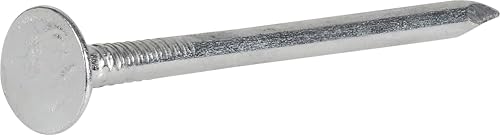
Features: 3″ length; electro-galvanized coating; broad head with secure hold; caution: avoid use in treated lumber if corrosion is a concern. Best for: thick roof decks or projects needing longer nails for dependable fastening in high-load areas. Better for: heavy-duty installations where longer reach improves pull-through resistance.
Buying Guide: How To Choose The Right Roofing Nails
- Coating and corrosion resistance: Galvanized or electro-galvanized coatings protect nails from rust when exposed to weather. Stainless steel offers superior corrosion resistance but at a higher cost.
- Length and head design: Nail length should penetrate through the decking into the structural layer. A wider, flat head distributes load and reduces pull-through on shingles. For felt, a shorter nail may suffice if the deck is solid.
- Material selection: Carbon steel nails are common and economical; stainless steel is better for coastal or high-humidity environments. Avoid nails that may react with treated lumber unless recommended.
- Shingle and underlayment compatibility: Some nails are optimized for asphalt shingles, while others suit felt, insulation boards, or plywood decking. Read project notes to match material compatibility.
- Installation method: Hammer-driven nails are straightforward for DIYers. For faster or more uniform installation, consider nails designed to drive smoothly with your chosen tool or technique.
- Budget and project size: If you’re repairing a small section, basic galvanized nails may suffice. For larger roofs or long-term investments, consider longer nails with superior corrosion resistance.
Frequently Asked Questions
- What’s the best nail for asphalt shingles? Electro-galvanized or galvanized nails with a broad head are commonly recommended for secure holding and weather resistance.
- Can I use stainless steel nails on treated lumber? Yes, stainless steel is compatible with treated lumber, reducing the risk of corrosion-related issues.
- How long should nails be for a standard roof deck? Most shingles benefit from nails in the 1-1/4″ to 1-1/2″ range, depending on decking thickness and shingle type.
- Should nails be hot-dipped or electro-galvanized? Both offer corrosion protection; hot-dipped is typically used for heavier exterior exposure, while electro-galvanized is common for general roofing applications.
- Are there nails I should avoid with treated lumber? Some coatings may react with treated lumber; follow manufacturer guidance to avoid staining or corrosion.
- How many nails come in a typical pack? Pack sizes vary by product; check the listing for the exact quantity per package.