
This guide targets buyers seeking practical flooring solutions for raised foundations, basements, decks, and elevated platforms. The top picks balance durability, ease of installation, and suitability for uneven or elevated structures. The VersaTex tiles offer robust, waterproof protection for garages and home gyms. Pedestal-based options provide adjustable, stable support for raised decks and platforms. Foam tiles bring comfortable, anti-fatigue flooring for basements or workshops. The following selections are organized to help you compare best-for scenarios, from high-load bases to lightweight, adaptable panels. A quick summary table is included for fast reference.
| Product | Best For | Key Benefit |
|---|---|---|
| VersaTex Garage Floor Tiles | Garage, utility rooms, home gyms | Heat-resistant, puncture-proof interlocking tiles |
| 12 PCS Adjustable Pedestal Paver | Raised deck/floating deck bases | Sturdy 190mm base, adjustable height |
| 28Pack Adjustable Deck Support Pedestal | Floating decks and elevated platforms | Two-height adjustment, high load capacity |
| Forest Floor Foam Tiles | Basements, offices, play areas | Wood grain look, anti-fatigue support |
| 10 Pack Adjustable Pedestal Paver | Decks and raised floors | Simple height adjustment, solid supports |
VersaTex Garage Floor Tiles
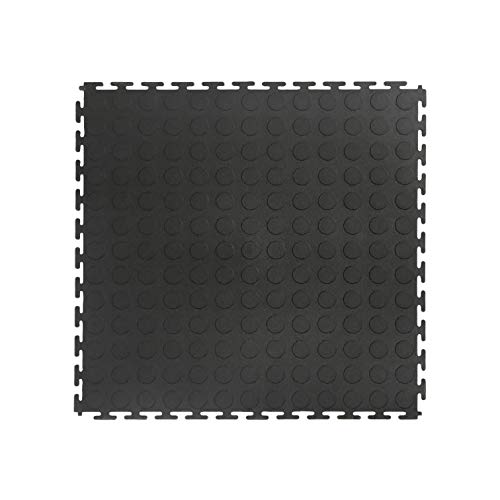
Best for heavy-use spaces that require moisture resistance. These interlocking rubber tiles resist heat, punctures, and chemicals, making them suitable for garages and home gyms. The non-porous surface helps contain liquids and sweat. Choose this if you need durable, car-tolerant flooring that can withstand equipment and rolling loads. Caution: heavy machinery may require reinforced subfloor where tiles are joined to prevent gaps.
Who it’s best for: Home gym owners, hobbyists, and workshop setups needing solid, easy-to-clean flooring that can handle equipment and occasional vehicle traffic.
12 PCS Adjustable Pedestal Paver

Best for quick, non-dig deck leveling and stable floating platforms. These blocks provide a robust foundation for decks, keels, or platform frames and can bear heavy loads with a wide base. Choose this if you want a simple, no-dloat foundation that accommodates uneven ground without concrete work. Limitation: base size may limit some larger deck configurations or long spans.
Who it’s best for: Homeowners building raised or floating decks, piers, or elevated platforms where digging is undesirable.
28Pack Adjustable Deck Support Pedestal

Best for larger or more complex floating deck projects that require precise height control. These pedestals offer two height positions and high load capacity, improving long-term stability for deck platforms, joists, and raised flooring. Choose this if you’re leveling multiple sections or need stronger support per pedestal. Caution: ensure compatible joist spacing and secure locking during installation.
Who it’s best for: Builders creating elevated decks, raised platforms, or ground-level floors that must stay level over time.
Forest Floor Foam Tiles

Best for comfort and light-to-moderate traffic areas on raised floors. These interlocking EVA foam tiles feature a wood grain print and provide anti-fatigue benefits. They are a flexible option for basements, playrooms, and classrooms where cushioning is valued. Limitation: foam tiles may wear faster under heavy equipment or high foot traffic over time.
Who it’s best for: Multi-purpose spaces needing a stylish, cushioned surface such as basements, offices, or play areas on raised floors.
10 Pack Adjustable Pedestal Paver

Best for compact projects needing adjustable height and straightforward installation. This set provides height adjustment from 2-3/8 to 5-1/2 inches with simple screw-based leveling. Suitable for leveling uneven ground under decks or raised floors where precise height control is essential. Caution: check load requirements for your specific deck design to avoid overloading pedestals.
Who it’s best for: Small to medium raised floor installations where quick height adjustments are needed without heavy installation tools.
Buying Guide: Key Considerations For Raised Foundation Flooring
- Load capacity and usage: Match deck or raised-floor weight with pedestal or tile capability. Heavy decks or gym spaces require higher load-bearing options.
- Height adjustability: Ensure the chosen system offers sufficient height range to level uneven ground or achieve the desired floor height.
- Installation method: Interlocking tiles vs. pedestal-based systems—choose based on desired permanence, space, and tools available.
- Durability and environment: For garages or basements, select moisture- and chemical-resistant materials. For living areas, consider comfort and appearance.
- Compatibility: Ensure the system works with your subfloor type (concrete, wood, or composite) and with any under-floor utilities or joists.
- Maintenance: Consider cleaning needs and durability under foot traffic, equipment wheels, or liquids.
Frequently Asked Questions
- What is the best flooring for a raised deck?
– Pedestal-based systems with adjustable height and strong base are typically best for raised decks to ensure level surfaces and stability. - Can foam tiles be used for outdoor raised floors?
– Foam tiles are generally suited for indoor use; for outdoor or wet environments, choose moisture-resistant options like rubber tiles or sealed decking. - How do I level a raised foundation without digging?
– Use adjustable pedestals with a proven height range to compensate for ground unevenness and maintain a level platform. - Are interlocking tiles suitable for heavy equipment?
– Interlocking tiles made from durable materials can handle equipment, but confirm load ratings and subfloor support to prevent compression or gaps. - What maintenance do raised-floor systems require?
– Periodic inspection of connections, locking mechanisms, and height adjustments; clean surfaces and check for wear or deformation.