
Answering the common question about exterior door protection, these clear coats are designed to guard wood doors against moisture, sun fading, and surface wear. The selections below cover water-based and solvent-based options, offering fast dry times, UV resistance, and easy cleanup. Best for: homeowners seeking durable protection for exterior doors, shutters, or entryways using water-based formulas or ready-to-spray finishes. The table highlights key attributes to compare at a glance.
Summary of chosen products
| Product | Best For | Finish | Notes |
|---|---|---|---|
| Varathane 250241H Water-Based Ultimate Spar Urethane | General outdoor wood doors | Satin | Fast dry, easy cleanup, good for frequent recoats |
| Varathane Triple Thick Spar Urethane | Projects needing quick single-coat coverage | Gloss | Three times thicker, faster finish, UV inhibitors |
| BLUEBIRD Polyurethane Clear Coat | Delicate finishes like furniture-as-art on doors | Gloss | Water-based, low odor, easy recoat |
| Minwax Polycrylic Protective Finish (½ Pint) | Interior-exposed doors nearby exterior use | Satin | Crystal clear, non-yellowing |
| Olympic WaterGuard Exterior Sealer Spray | Quick spray-on exterior doors or weathered wood | Clear | Waterproofing spray, ready to use |
Varathane Water-Based Spar Urethane—Satin
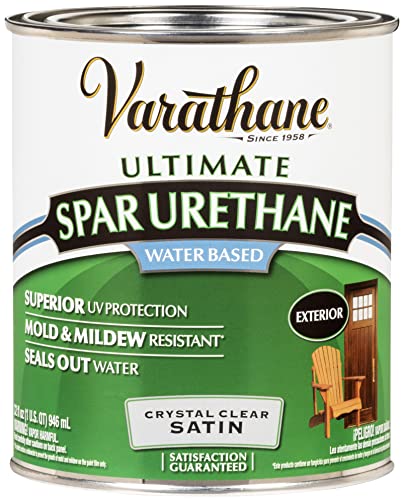
Best for: exterior doors that need a durable, water-based finish with easier cleanup. This product is a poly-based coating suitable for outdoor wood surfaces, including doors, windows, and trim. It dries to the touch in about 30 minutes and covers up to 87 sq. ft. per quart, enabling relatively quick recoat after 2 hours. Reasons to choose: water-based formula reduces odor and cleanup effort.
Key features: durable outdoor-ready urethane; easy soap-and-water cleanup; fast-drying; moderate coverage per quart. Caution: performance can depend on outdoor humidity and surface preparation; ensure proper ventilation during application.
Varathane Triple Thick Spar Urethane

Best for: projects needing one-coat durability and faster completion. This product is three times thicker than standard spar urethane, providing excellent durability and speed for exterior wood protection. It includes UV inhibitors to reduce fading on sun-exposed wood.
Why selected: ideal when you want fewer coats without compromising protection. Self-leveling formula helps achieve a smooth finish with low odor and easy cleanup. Caution: thicker coatings may require longer drying times in cool environments; follow manufacturer guidance for recoat windows.
BLUEBIRD Clear Coat for Furniture and Paintings

Best for: interior-grade durability that can double for exterior wood when protected with proper substrate prep. This water-based clear coat provides a glossy finish that highlights wood grain and color while offering scratch and moisture resistance. It can be applied with a roller or brush and cures quickly.
Why selected: good option when seeking a low-odor, water-based topcoat with easy cleanup. Caution: applying too thick a coat can cause cloudiness; apply thin, even layers and wait between coats.
Minwax Polycrylic Protective Finish, Clear Satin

Best for: interior-facing doors and wood projects where a satin, crystal-clear finish is desired. This water-based finish dries quickly and provides a non-yellowing, low-odor coating ideal for light woods like maple or birch.
Why selected: offers a durable satin sheen that preserves the wood’s natural tone. Caution: while suitable for many interior doors, assess exterior exposure; not all finishes are formulated for prolonged outdoor conditions.
Rust-Oleum Universal All Surface Clear Topcoat Spray

Best for: quick spray-on protection for exterior doors or weathered surfaces. This oil-based topcoat provides strong adhesion across many substrates and resists fading and chipping.
Why selected: convenient spray format for hard-to-reach areas and rapid coverage. Caution: spray in a well-ventilated area and avoid heavy applications to prevent drips; compatible substrate preparation improves results.
OLYMPIC WaterGuard Exterior Sealer Spray

Best for: new wood or weathered exterior surfaces needing waterproofing protection. This spray sealer is ready to use and provides a durable waterproof barrier for outdoor wood.
Why selected: combines waterproofing with a clear sealant for exterior wood, helpful for entrances or weathered doors. Caution: spray upwards or downwind to avoid overspray on nearby surfaces; ensure wood is clean and dry before application.
Buying Guide: Key Considerations for Exterior Wood Door Clear Coats
- Finish Type and Environment: Choose water-based for low odor and easy cleanup, or oil-based for deeper penetration and longer durability in sun and rain.
- UV Protection: Look for UV inhibitors or UV-blocking properties to minimize fading on exposed doors.
- Film Thickness and Coverage: Thicker coatings may require fewer coats but can take longer to dry; match to project size and climate.
- Gloss Level and Aesthetic: Satin hides minor imperfections while a high-gloss finish enhances grain; consider door style and surrounding trim.
- Application Method: Sprays offer speed for large areas; brushes or rollers provide control on detailed surfaces.
- Recoat Time and Curing: Note recoat intervals and full curing times to plan weather windows and outdoor scheduling.
- Ventilation and Safety: Ensure proper ventilation for solvent-based products; use protective gear as needed.
Frequently Asked Questions
- What is the best clear coat for exterior doors?
- Do water-based finishes protect against UV fading?
- How many coats should I apply to exterior doors?
- Can I spray clear coats on wooden doors?
- Should I seal new wood before applying a topcoat?
- Are there odor-free options for interior-exposed doors near exteriors?
Answer: The best choice depends on your climate and door usage. Water-based finishes reduce odor and cleanup while offering decent UV resistance; oil-based options can provide deeper penetration and longer durability in harsh sun. For frequent sun exposure, prioritize products with UV inhibitors. For quick projects, consider thicker single-coat formulas or spray-topcoats. Always prep wood properly, clean the surface, and allow complete curing between coats to maximize protection and appearance.