
If you’re repairing drywall cracks, choose a caulk or patching compound that delivers flexible adhesion, quick dry time, and paint-ready surfaces. This guide highlights five products well suited for drywall crack repair, plaster, and light remodeling. Best for finish-ready patches, multi-surface repairs, and easy cleanup, these options cover traditional acrylic latex, silicone-modified options, and elastomeric formulas. Whether you want a fast-drying patch or a paintable sealant that resists re-cracking, you’ll find a clear recommendation for different project needs—plus practical cautions to avoid flaws in your repair. The table below summarizes who each product is ideal for.
| Product | Best For |
|---|---|
| DAP ElastoPatch Smooth Flexible Patching Compound | Deep cracks and wide patches on drywall, plaster, stucco |
| DAP Alex Plus Acrylic Latex Caulk | General crack sealing with paintable finish |
| DAP Alex Painter’s Acrylic Latex Caulk | Wood, drywall, plaster with quick paint readiness |
| DAP INC 18152 Alex Plus Acrylic Latex Caulk with Silicone | Crack-proof seal with silicone benefits |
| GE Advanced Silicone Caulk for Kitchen & Bathroom | Waterproof sealing in damp areas |
DAP ElastoPatch Smooth Flexible Patching Compound

Product features: Smooth, flexible crack filler that works on drywall, plaster, stucco, and more. Elastomeric patching compound won’t shrink or crack and dries tack-free in 30 minutes. It paints well and won’t flash or gloss the paint. Best for repairing larger cracks or holes where movement is expected and a durable finish is needed. This is the choice for projects that require a long-lasting, paintable patch without re-cracking. Caution: ensure a clean, dust-free surface for optimum adhesion. May require priming for certain paint systems.
DAP Alex Plus Acrylic Latex Caulk, White, 10.1 Oz

Product features: Siliconized acrylic caulk with strong multi-surface adhesion. Flexible, durable, and creates a long-lasting waterproof seal. Paintable in about 30 minutes, with low odor and easy water cleanup. Best for cracks around trim, baseboards, and general interior sealing where painting will follow. Limitation: surface sheen may slightly affect paint depth if not properly primed.
DAP Alex Painter’s Acrylic Latex Caulk, White

Product features: Paint-ready white caulk that adheres to wood, plaster, drywall, and masonry. Lightly water-ready in about 24 hours and becomes paintable within 2 hours. Best for projects where you want a straightforward, all-purpose caulk with reliable adhesion and ease of painting. Caution: for highly flexible or outdoor applications, consider products designed for exterior use.
DAP INC 18152 Alex Plus Acrylic Latex Caulk with Silicone
Product features: Sold as a single unit. Paint-ready in roughly 30 minutes, designed for faster project completion. Provides excellent flexibility and adhesion for a crack-proof seal. Best for mixed material repairs that require both acrylic adhesion and silicone-like flexibility. Caution: surface preparation remains essential for optimal results on glossy surfaces.
GE Advanced Silicone Caulk for Kitchen & Bathroom

Product features: 100% silicone for waterproof sealing with excellent flexibility. Quick water-ready performance in about 30 minutes. Strong adhesion and long-lasting resistance to movement, making it ideal for bathrooms, kitchens, and other damp environments. Best for areas with frequent moisture and temperature changes. Limitation: can be harder to paint over compared to acrylic latex caulks; check paint compatibility if you plan to paint after application.
DAP Dynaflex 230 Pro Elastomeric Sealant
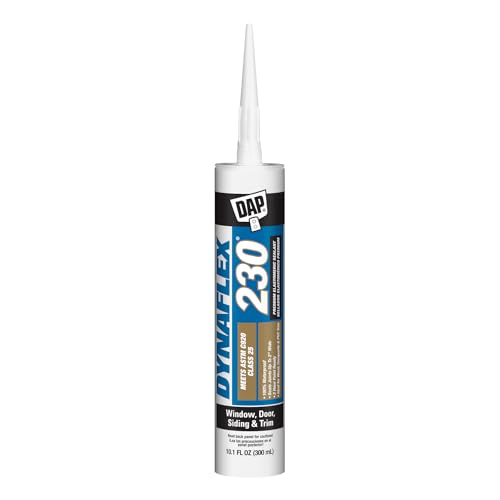
Product features: Elastomeric sealant with superior flexibility and crack-proof performance for windows, doors, siding, and trim. Includes a removable nozzle for tight corners and tight spaces. It is color-matched to common building colors and can be painted in about 2 hours. Best for exterior and interior use where high movement or weather exposure occurs. Caution: ensure compatibility with surrounding materials for long-term sealing in sun and moisture.
Buying Guide: Key Purchase Considerations
What finish do you need? If you want a paint-ready finish, select acrylic latex or siliconized acrylic caulks. For damp environments, silicone-based products offer superior waterproofing. Elastomeric formulas handle movement better on larger patches or textured surfaces.
What surface will you seal? Drywall and plaster benefit from flexible, paintable caulks. For kitchen and bath areas, silicone-based products or specialized bathroom caulks resist moisture best. Exterior patches may require a durable elastomeric sealant with strong adhesion.
Drying time and painting window: Some products dry in minutes and paintable within 30 minutes, others need longer. Plan painting after the recommended water- or air-drying period to avoid paint issues.
Prep and cleanup: Clean surfaces, remove dust, and use primer when required. Acrylic caulks clean up with water; silicone-based products typically require solvent cleanups. Consider odor levels if you’re working in a small space.
Movement tolerance: Cracked walls move with temperature and humidity. Elastomeric and silicone-based products generally offer better long-term crack resistance for drywall and plaster repairs.
Frequently Asked Questions
- Which caulk is best for drywall cracks? For general cracks, acrylic latex caulk (paintable) is common. For larger or moving cracks, elastomeric patching compounds like ElastoPatch can be more durable.
- Can I paint over silicone caulk? Some paints adhere poorly to pure silicone. Silicone-modified acrylics offer a better balance of adhesion and paintability for most interior repairs.
- Do I need to prime before caulking? Priming is not always required, but it helps with adhesion on glossy or difficult surfaces and can improve paint performance over the sealant.
- How soon can I paint after caulking? Most acrylic latex caulks are paint-ready within 1–2 hours, while some silicone or elastomeric products may require longer cure times before painting.
- Is a silicone sealant better than acrylic for bathrooms? Yes, silicone provides superior water resistance. For color-matched aesthetics, you can choose silicone-modified acrylic products for easier painting later.
- Can I reuse a drywall repair kit multiple times? Some kits are reusable for future patches, but it’s best to follow product-specific guidelines for reuse and storage.