
Choosing a smart thermostat for a rental property requires balancing energy savings, guest comfort, and reliable remote access. The following selections offer compatibility with common HVAC systems, straightforward installation, and features designed to reduce waste and maintenance. Each model supports remote scheduling, energy monitoring, and smart-home integrations to simplify management for landlords and property managers.
| Product | Key Benefit | Compatibility | Smart Home Integration |
|---|---|---|---|
| ecobee Smart Thermostat Essential | Energy savings up to 23% | 97+% of systems | Siri, Alexa, Google Assistant |
| ecobee Smart Thermostat Premium | Up to 26% savings; smart sensor | Wide compatibility | Siri, Alexa, Google Assistant |
| Sensi Smart Thermostat (Emerson) | Privacy-focused; easy DIY install | Most common HVAC setups | Works with Alexa |
| meross Smart Thermostat | Broad compatibility; Matter support | 95% of HVAC systems (requires C-wire) | Alexa, Apple Home, Google Assistant |
| Google Nest Thermostat | Energy saving; learns usage | Most homes with or without C-wire | Google Assistant; Works with other assistants |
ecobee Smart Thermostat Essential

The ecobee Essential is an energy-efficient programmable Wi‑Fi thermostat designed for broad compatibility. It can help property owners save up to 23% on annual heating and cooling costs by aligning temperature with occupied times. The color touchscreen provides intuitive control, while the ecobee app allows remote adjustments. The device supports voice control via Siri, Alexa, and Google Assistant, enabling tenants to manage comfort without swapping remotes. Free software upgrades ensure the thermostat stays current with evolving features, which is valuable for long-term rental stewardship.
ecobee Smart Thermostat Premium
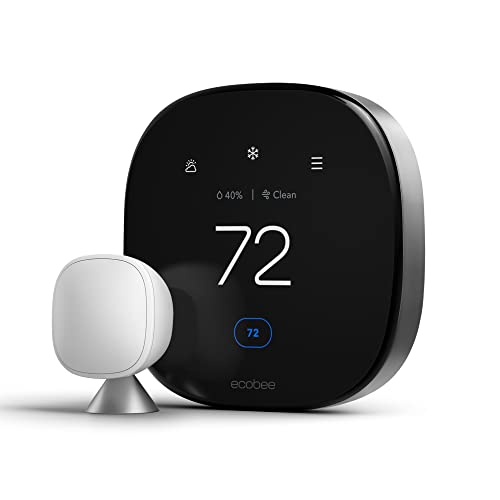
The Premium model builds on the Essentials with a built-in SmartSensor that optimizes comfort in rooms that matter most, reducing hot or cold spots. It claims up to 26% yearly savings on heating and cooling. The ENERGY STAR certification reflects efficiency. A standout feature is a large, vibrant display and advanced occupancy sensing, which enhances responsive comfort. It also includes an air quality monitor, alerting toward improvements and filter changes, a useful tenant-facing feature for maintaining healthy indoor environments in rental properties.
ecobee Smart Thermostat Enhanced
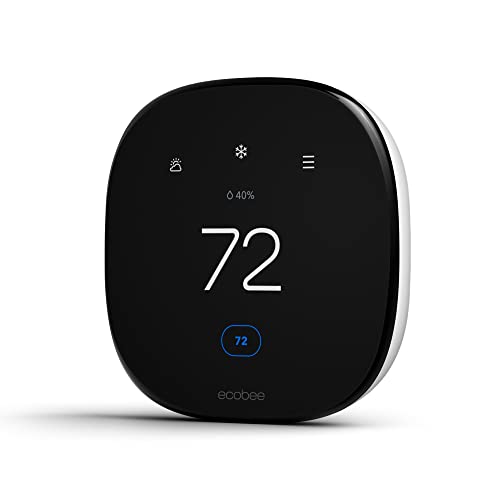
The Enhanced model offers automatic away adjustments to prevent heating or cooling an empty home, with preheating or precooling to guarantee comfort at arrival. It supports flexible day and night scheduling and humidity-based adjustments to maintain a consistent feel inside the property. The energy-saving benefits align well with rental management goals, helping owners reduce operating costs while maintaining tenant comfort.
Sensi Smart Thermostat (Emerson)
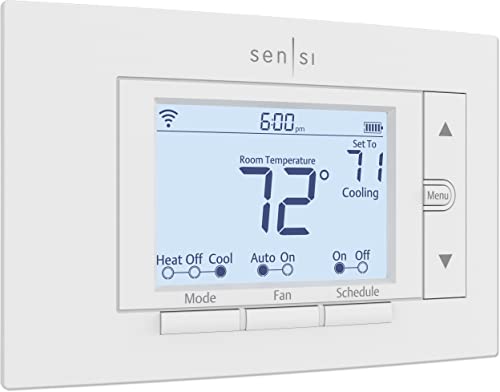
Designed for simple DIY installation, Sensi emphasizes privacy protections and broad HVAC compatibility. It helps owners realize savings around 23% on HVAC energy through features like remote access and scheduling. The thermostat is known for straightforward setup, making it a practical option for rental properties where quick installation reduces downtime between tenants.
meross Smart Thermostat
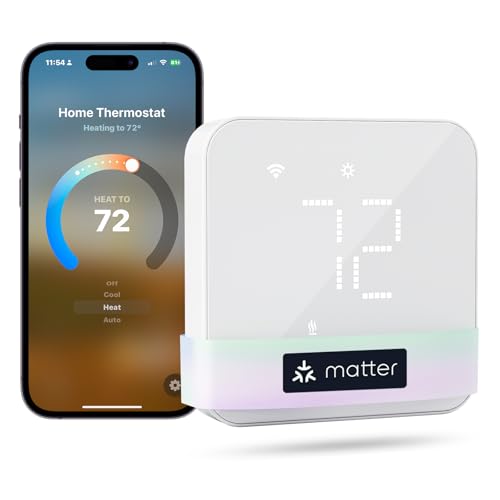
The meross thermostat supports Matter and is compatible with major ecosystems, including Alexa, Apple Home, and Google Assistant. It is designed for broad HVAC compatibility, but a C-wire is typically required for proper function. It targets energy savings through programmable scheduling and 24/7 app control. For landlords, evaluating compatibility is crucial to avoid installation delays, especially in multi-unit properties where consistent performance is essential.
Google Nest Thermostat
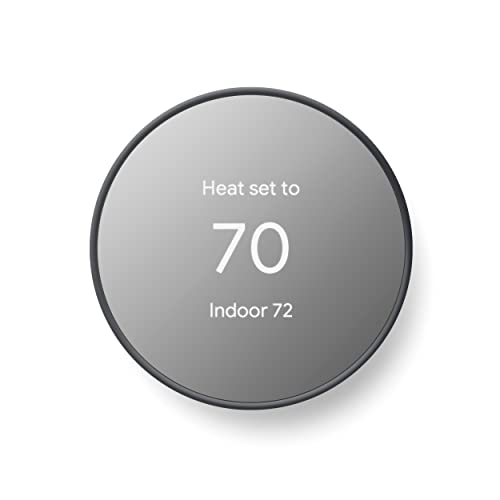
The Nest Thermostat combines energy savings with learning features that adapt to tenant usage patterns. It supports Wi-Fi connectivity and standard compatibility with many HVAC systems, including operation without a C-wire in many cases. The device can automatically adjust to reduce energy waste when the space is unoccupied, a valuable characteristic for rental units. Landlords can rely on its integration with Google Assistant and broad ecosystem compatibility to simplify tenant onboarding and control.
Buying Guide: Key Considerations For Rental Properties
When selecting a smart thermostat for rental properties, consider:
- Compatibility: Ensure the thermostat supports your HVAC system and has clear guidance on C-wire requirements to avoid installation complications in multi-unit buildings.
- Energy Savings: Look for claims of yearly percentage savings, especially models with occupancy detection or smart sensing to reduce waste when spaces are unoccupied.
- Tenant Experience: A user-friendly interface, mobile app access, and reliable remote control help both tenants and property managers maintain comfort and energy efficiency.
- Maintenance and Upgrades: Favor thermostats with ongoing software updates and robust support to prolong usefulness across tenant cycles.
- Security and Privacy: Choose devices with strong privacy protections, especially for properties that host short-term renters or multiple tenants.
- Privacy Versus Features: Some models balance enhanced features with privacy considerations; assess what matters most for your portfolio.
- Integrations: If your property uses a specific ecosystem (Alexa, Google Assistant, Apple HomeKit), pick a model that integrates smoothly to minimize friction for tenants.
- Installation Time: DIY-friendly units reduce downtime between tenants; confirm compatibility and whether professional installation is needed for each unit.
In multi-unit rentals, selecting a thermostat with reliable remote access and strong energy reporting can simplify property management. Landlords may prioritize devices with broad compatibility, straightforward installation, and strong customer support. Energy-saving features become a meaningful selling point for prospective tenants, contributing to lower utility costs and higher property appeal.