
White oak offers natural warmth, distinct grain, and excellent durability, but choosing the right finish can dramatically affect color, depth, and longevity. This guide highlights top finishes and treatment options that work well on white oak, with product-backed options for staining, restoring, and protecting wood surfaces. Whether you’re refinishing furniture, cabinets, or floors, the selections below emphasize even color, low odor, and compatibility with traditional and modern interiors.
Summary of chosen products:
| Product | Brand | Type | Note |
|---|---|---|---|
| Wood Finish, Golden Oak Stain, Quart | Minwax | ||
| Restor-A-Finish, Golden Oak, 16 Fl Oz | HOWARD | finish restorer | |
| Restor-A-Finish, Dark Oak / Golden Oak options | HOWARD | finish restorer | Multiple color options for tone matching |
| Water Based Wood Stain, White Oak | Varathane | water-based stain | Low odor, fast drying, customizable depth |
| Water Based Wood Stain, Natural Oak | Furniture Clinic | water-based stain | Quick dry, even coverage, multiple sizes |
Minwax Golden Oak Wood Finish
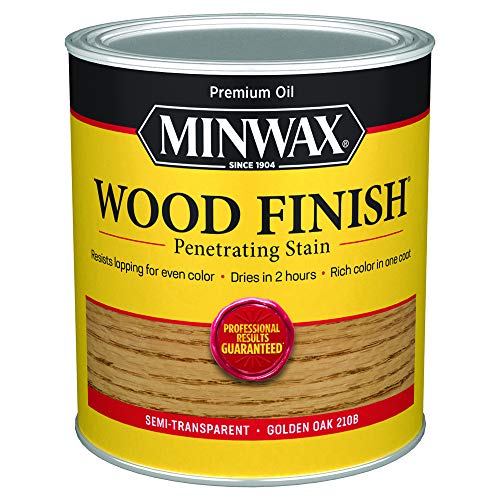
Minwax Wood Finish delivers a deep, penetrating color that enhances the natural grain of white oak with a single application. The oil-based formula creates a rich appearance suitable for interior projects like furniture, cabinets, and doors. Its fast-penetrating characteristic allows it to set quickly—color develops within 5 minutes of application, while drying to a durable finish in about two hours. This combination provides a practical approach for DIY refinishing projects where time matters, while allowing control over tone by adjusting wait times between coats. Apply with a clean cloth or brush, following the grain, and wipe off the excess after 5–15 minutes. Additional coats deepen color and enhance depth without sacrificing wood texture.
Pros: Rich color, strong grain enhancement, quick dry window, easy application.
Cons: Oil-based finishes can require mineral spirits for cleanup and may have longer odor presence during use. Best for interior projects without heavy exposure to moisture.
Howard Restor-A-Finish Golden Oak

Howard Restor-A-Finish is designed to restore and blend minor blemishes in finished wood, while matching a broad range of wood tones including Golden Oak. This wipe-on, wipe-off formula makes it an efficient option for quickly reviving dull or slightly damaged surfaces without a full refinishing. It works across various finishes and helps address scratches, minor stains, and rings, offering a practical solution for maintaining oak furniture or trim. The product is available in multiple color options to ensure a close match to existing finishes, helping maintain a cohesive look across a space.
Pros: Simple maintenance, quick results, multiple color choices.
Cons: Not a full refinish; best for minor blemishes and color touch-ups rather than deep restoration.
Varathane White Oak Water Based Stain

Varathane’s water-based White Oak stain is designed to deliver a rich, even color in a single coat on many surfaces. With low odor and low VOC, this option emphasizes a cleaner indoor finish while preserving the natural beauty of white oak. Advanced pigments help bring out the grain without obscuring texture, and the fast-drying formula allows multiple coats for deeper color if needed. This stain provides a versatile starting point for projects ranging from cabinetry to furniture, letting you adjust depth with successive applications while maintaining a consistent hue across the wood.
Pros: Low odor, quick drying, strong pigment for depth.
Cons: Some users may prefer oil-based finishes for deeper saturation on certain species or for vintage looks.
Furniture Clinic Natural Oak Wood Stain

Furniture Clinic’s Natural Oak stain focuses on delivering even color with a matte, natural-looking finish. The water-based formula dries quickly and is designed for both indoor and outdoor furniture, making it a versatile option for rooms with varying moisture exposure. The product emphasizes environmental friendliness and low odor, which can be a consideration for indoor projects or spaces with limited ventilation. It’s available in multiple sizes to fit different project scopes and helps restore the wood’s appearance without overly altering the grain pattern.
Pros: Quick dry, low odor, suitable for indoor/outdoor use.
Cons: Color options are more limited compared to some other brands; depth may require multiple coats for darker tones.
Edge Supply White Oak Veneer Sheet

Edge Supply offers a practical veneer solution for white oak projects that require a seamless, premium finish without full-surface refinishing. The 0.4 mm thin White Oak Rift Cut veneer is self-sticking and peel-and-stick, designed for easy application on cabinets, furniture, and refurbished surfaces. The veneer is ready to stain and can be matched to existing wood finishes, enabling a cohesive look with less labor. Veneer sheets can be ideal for patching inlays, repair work, or resurfacing curved surfaces where solid wood is impractical.
Pros: Easy to apply, ready to stain, compatible with variety of surfaces.
Cons: Veneer requires careful surface prep to ensure adhesion and seamless appearance.
Buying Guide: Key Considerations For Finishing White Oak
When selecting a finish for white oak, several factors influence color, durability, and maintenance needs. The following perspectives cover common scenarios and considerations to help you choose the right product mix for your project.
- Intended use and exposure: Interior furniture and cabinetry typically benefit from oil- or water-based stains with a protective topcoat, while floors require durable finishes that resist wear and moisture. Consider the environment and traffic when selecting a finish type.
- Color depth and tone control: Oil-based stains generally provide richer color and more depth, but water-based options offer lower odor and lighter color shift. For white oak, test samples on scrap pieces to confirm how grain and pores will read after application.
- Drying time and workability: Fast-drying formulas can speed up projects but may require careful timing between coats. Wipe-on finishes offer easier control for touch-ups and repairs, while spray or brush applications can influence evenness on large surfaces.
- Maintenance and restoration: Restorers like Howard Restor-A-Finish provide convenient touch-ups for minor blemishes, whereas full refinishing might require sanding and re-staining. Consider longevity and maintenance cycles for furniture and high-use surfaces.
- Ventilation and odor: Water-based products generally emit less odor and have easier cleanup, making them preferable for interiors with limited ventilation. Oil-based products may require additional cleanup steps and longer odor presence, but can yield deeper hues.
- Prep and compatibility: For best results, prepare the surface by cleaning, light sanding, and removing dust. Some products pair well with fillers (for repairs) or veneers when addressing damaged surfaces, ensuring a uniform final appearance.
- Finish restoration vs. new stain: If you aim to restore, consider Restor-A-Finish products to blend blemishes with color-matched tones. For a new look, select a stain color and apply the recommended number of coats to reach the desired depth.
- Finish type choices: Oil-based stains tend to deepen grain contrast, while water-based stains emphasize a lighter, cleaner look. For white oak’s pronounced grain, plan to complement with a compatible topcoat (polyurethane, water-based poly, or oil-based poly) to preserve the grain and protect the surface.