
Choosing the right adhesive for subfloor installation can prevent squeaks, movement, and failures down the line. The following selections prioritize strong bonds, moisture resistance, and versatility for wood, concrete, and sheet vinyl subfloors. Below you’ll find five suitable options with practical notes on where they shine and how to apply them.
| Product | Brand | Key Benefit |
|---|---|---|
| Gorilla Max Strength Construction Adhesive, Clear | GORILLA | Extra strength, crystal clear finish, waterproof |
| Gorilla Heavy Duty Construction Adhesive, White | GORILLA | Fast grab, waterproof, paintable |
| FloorBond Sheet Vinyl Floor Tape | FloorBond | Permanent adhesive tape for subfloors |
| TYTAN PROFESSIONAL Subfloor Adhesive | TYTAN PROFESSIONAL | Prevents squeaks, works wet or frozen |
| Foam Bond 60 Polyurethane Adhesive | TYTAN PROFESSIONAL | Fast-tack, versatile for panels and subfloors |
Gorilla Max Strength Construction Adhesive, Clear Glue
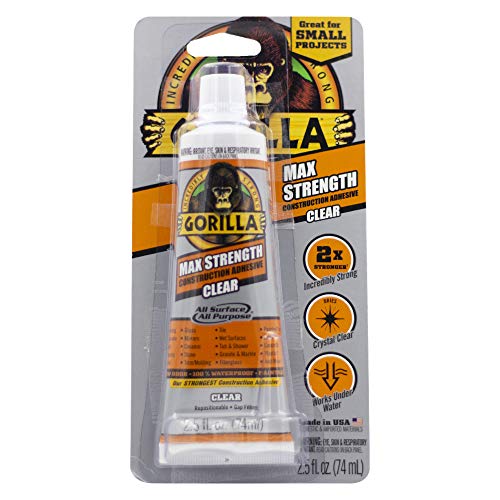
Gorilla Max Strength Construction Adhesive delivers a high-strength bond suitable for subfloor assemblies that require a robust, gap-filling adhesive. The formula is crystal clear, which helps keep the finish clean on visible edges and joints. It is formulated to be waterproof, supporting interior and exterior applications where moisture resistance matters. This adhesive is designed to be two times stronger than some Gorilla Heavy Duty options, providing a reliable bond across wood, concrete, and other common subfloor substrates.
Typical use scenarios include bonding plywood subfloats to joists, anchoring flooring underlayment, and securing panels where movement could otherwise introduce squeaks. As with most polyurethane-based glues, clamping time may be brief but adequate fixtures and proper surface prepping improve outcomes. The product is suited for indoor use and can withstand incidental moisture exposure once cured.
Gorilla Heavy Duty Construction Adhesive, White
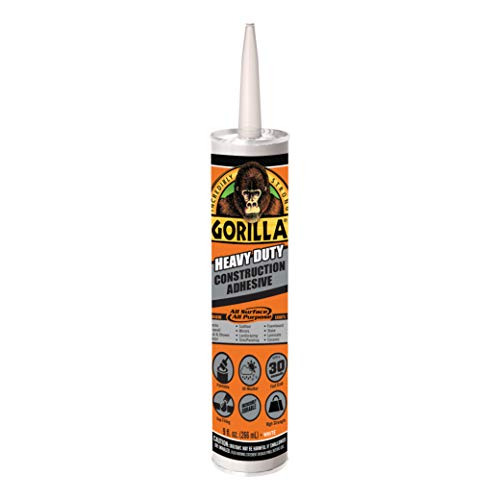
This heavy-duty adhesive offers robust bonding with fast grab capability, helping to secure subfloor panels quickly. The 9-ounce cartridge (and similar 7-ounce variant) makes it practical for larger projects where speed matters. It is waterproof and designed to work across a wide range of surfaces, including wood, concrete, and other common subfloor materials. The adhesive can be painted after curing, enabling versatile finishes for finished floor installations and trims around the subfloor.
Use cases include permanent attachment of plywood or OSB to joists, securing underlayment, and stabilizing panels that experience foot traffic in the finished space. Surface prep—clean, dry, and dust-free—improves bonding. While it sets fast, adequate clamping or weight during initial cure supports a stronger overall bond.
FloorBond Sheet Vinyl Floor Tape

FloorBond Sheet Vinyl Tape provides a roll-based alternative to liquid glues, delivering immediate adhesion without dry time. This tape is designed for wood or concrete subfloors, making it ideal for permanent sheet vinyl flooring installations and similar subfloor applications. The product is engineered to handle high-traffic environments and to resist curling, lifting, or weakening under daily use. It’s a practical option for quick projects or where liquid adhesives may be less convenient.
Consider this tape when you want minimal mess and faster results, especially in commercial spaces like offices or classrooms. The long-term adhesion aids stability for vinyl floors, yet it remains important to ensure a clean, dry surface and proper alignment before pressing the flooring into place.
TYTAN PROFESSIONAL Subfloor Adhesive 20 oz

TYTAN PROFESSIONAL Subfloor Adhesive focuses on preventing floor squeaks by forming a rock-hard bond between subfloors and joists. It performs well across a variety of temperatures, including wet or frozen conditions, which makes it a solid choice for spaces with seasonal moisture fluctuations. The adhesive expands to fill gaps and cracks by forming a gel that re-expands over time, creating airtight seals and reducing movement that can contribute to squeaks and creaks in the finished floor.
Applications include bonding plywood or OSB subfloors to framing, stabilizing new installs in basements or crawl spaces, and projects where moisture exposure is possible. The product is designed for professional and DIY users who want reliable, long-lasting adhesion in challenging environments.
Foam Bond 60 24 oz Polyurethane Adhesive

Foam Bond 60 uses fast-tack polyurethane technology to deliver a quick setting time—about 60 seconds—for faster project progression. It is versatile for a range of construction tasks, including foam panels, shiplap, wall paneling, trim, molding, and subfloors. The fast-drying nature helps reduce the need for extensive fastening while delivering a strong, durable bond. The polyurethane base ensures bond longevity against moisture and varying temperatures, making it suitable for both indoor and some outdoor projects with proper protection.
When selecting this adhesive, consider the substrate and ventilation during application, as polyurethane products can emit fumes during curing. Proper surface prep and controlled application help maximize bond strength and long-term performance in subfloor installations.
Buying Guide: Key Considerations For Subfloor Adhesives
- Subfloor material compatibility: Wood, plywood, OSB, or concrete each respond differently to adhesives. Check the product’s compatibility and curing conditions for your substrate.
- Moisture and climate resilience: For spaces prone to moisture or seasonal changes, choose waterproof or water-resistant formulas that maintain bond integrity over time.
- Open time and working time: Subfloor work often benefits from adhesives with enough open time to position panels accurately, followed by secure clamping or weighting during cure.
- Fast grab vs. repositionability: Fast-grab options speed up installation but may limit repositioning. Plan according to project scale and precision needs.
- Gap filling and expansion: Some products fill gaps and resist movement by expanding slightly during cure, which helps reduce squeaks and irregularities.
- Aesthetics and finish: If a visible edge or seam is likely, consider clear or paintable options to blend with surrounding finishes.
- Application method: Liquid adhesives, tapes, and foam-based products each offer different handling, cleanup, and curing profiles. Choose the method that best fits the workflow and space.
- Safety and ventilation: Follow label instructions for ventilation, application temperature, and glove protection. Some products require curing in controlled conditions.
The selections above provide a cross-section of adhesive types—liquids with high bond strength, tapes for quick installs, and polyurethane foams for expansive gaps. Each option serves different subfloor scenarios, from wood and underlayment bonding to sheet vinyl installations and heavy-duty construction needs. When planning, assess substrate, moisture levels, traffic expectations, and the desired finish to pick the most suitable adhesive.