
Radiant barrier foil is a simple, effective way to reduce heat transfer in attics and other spaces. This guide highlights five top-rated reflective insulation rolls that consistently perform well in American homes. Each option is designed to block radiant heat, streamline cooling costs, and resist wear during installation. Below you’ll find quick product details, a visual snapshot, and practical considerations to help you choose the right foil for your climate and project scope.
| Product | Brand | Size | Key Benefit |
|---|---|---|---|
| Radiant Barrier 1000 sq ft Reflective Insulation Roll | RadiantGUARD | 48″ x 250 ft | Heavy-duty, commercial-grade with 95% heat blocking |
| Houseables Radiant Barrier Insulation Roll | Houseables | 4 ft x 250 ft | >97% reflective, easy to cut |
| SmartSHIELD -3mm Reflective Insulation Roll | INSULATION MARKETPLACE | 16 in x 50 ft | Engineered foil with foam core, solid radiant barrier |
| US Energy Products Radiant Barrier Insulation 1000 sq ft | AES | 4 ft x 250 ft | >99.7% reflective, no tear |
| SmartFOIL – 4ft x 250ft Roll | INSULATION MARKETPLACE | 4 ft x 250 ft | Industrial-grade, 95% heat block |
When selecting radiant barrier foil, consider reflectivity, durability, ease of installation, and whether the product is perforated for moisture management. The options below cover a range of budgets and attic configurations, from heavy-duty, commercial-grade rolls to lighter, DIY-friendly foils. Each entry includes practical installation notes to help you apply the foil correctly and achieve best results in your home.
RadiantGUARD Xtreme Reflective Barrier Roll

RadiantGUARD’s heavy-duty roll is designed for attic applications with commercial-grade performance. It weighs significantly more than some competitors, which can help resist tearing during installation. The product meets or exceeds ASTM C1313 radiant barrier certifications, covering surface emittance and other critical properties. Expect substantial attic temperature reductions and potential year-round utility savings. DIY installation involves stapling the foil to the underside of attic rafters, with additional coverage recommended on exposed exterior walls for complete performance.
Key features include a robust Class A/1 fire rating and verified certification documentation visible in product photos. The barrier blocks a high percentage of radiant heat transfer, which helps stabilize indoor temperatures during hot summers and cooler winters. For best results, place the barrier across attic surfaces where solar exposure is strongest and ensure full coverage by aligning seams and avoiding gaps that could undermine performance.
Houseables Radiant Barrier Insulation Roll

Houseables offers a 1,000-square-foot roll with four-foot width, designed for broad attic or roofline coverage. The foil has a high reflectivity, with claims of >97% reflective value, and it’s described as tear-resistant and easy to cut. The product is intended to reflect radiant heat rather than absorb it, helping to lower cooling loads in warm climates. It’s positioned as a practical, DIY-friendly option that requires no special tools beyond basic gloves and utility scissors. The foil is non-toxic and resistant to humidity, reducing maintenance concerns after installation.
Practical notes: measure attic area to plan seam placements, and use utility scissors to trim to fit around obstacles. Because it’s perforated, the material is better at allowing moisture to pass, which can help reduce attic moisture buildup. This makes it suitable for spaces where vapor barriers are not desired, but verify local building codes and moisture management needs in your region.
SmartSHIELD -3mm Reflective Insulation Roll

This option from INSULATION MARKETPLACE includes a foam core that combines durability with a reflective aluminum layer, delivering a complete radiant barrier solution. It’s engineered to reflect about 95% of radiant heat, reducing heat ingress from the underside of a hot roof. The product meets or exceeds ASTM C1313 standards, and its tear- and puncture-resistant design makes it suitable for areas that may experience contact with nails or fasteners. The foil performs well in both summer cooling and winter heating scenarios, contributing to overall energy savings without relying on bulky bulk insulation.
Installation notes: cut to fit around joists and rafters, and seal seams to maximize reflectivity performance. The foam core helps maintain structural integrity during handling, which can be beneficial for larger attic projects. This option balances performance with a price point that appeals to many DIY homeowners seeking reliable results without heavy material handling.
AES US Energy Products Radiant Barrier Insulation 1000 Sq Ft
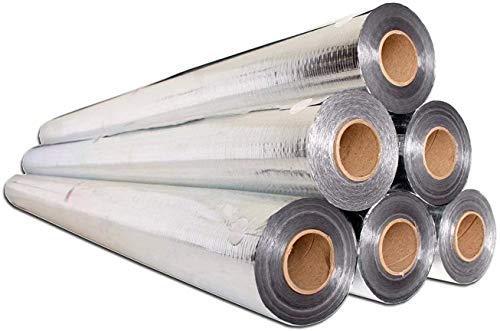
AES offers a 1,000-square-foot roll in a four-foot width, designed for commercial-grade use with perforated, no-tear construction. The barrier style emphasizes a very high reflectivity — claims of >99.7% reflective value — to reduce heat transfer effectively. The product is described as durable and easy to handle, with resistance to humidity and climate-related changes. Like other high-reflectivity foils, it is non-toxic and not a vapor barrier, so humidity management should be considered in your attic design. This option aims for robust performance in varied climates while prioritizing long-term reliability.
Application guidance: ensure clean, dry surfaces before installation, align seams, and minimize compressions that could reduce reflectivity. Proper fastening along rafters and careful overlap at joints will preserve the integrity of the reflective layer and its thermal benefits over time.
AtticFoil Original Attic Radiant Barrier

AtticFoil presents the original DIY radiant barrier solution with a lifetime warranty and a focus on pure aluminum, double-sided foil. This perforated, breathable foil is designed to block up to 97% of radiant heat while allowing moisture to pass, reducing potential attic moisture buildup. The product is touted as tearproof and easy to install, and it includes free seam tape to help achieve continuous coverage. The manufacturer emphasizes long-term performance and a strong warranty as part of its value proposition for homeowners tackling attic insulation upgrades.
Installation considerations: perforation aids humidity management but does not replace a dedicated vapor barrier where one is required by code. Carefully cover all attic surfaces that see direct solar exposure and ensure seams are sealed to maximize reflectivity. The lifetime warranty provides an added layer of assurance for long-term attic performance.
Buying Guide: Key Purchase Considerations And Comparisons
- Reflectivity and efficiency: Look for higher reflectivity percentages (e.g., 97% to 99.7%) for greater heat rejection. Perforated variants can help with moisture control but verify they align with your local building codes.
- Durability: Heavy-duty, tear-resistant foils are advantageous in attic environments where staples or fasteners are used and where installation involves rough handling or movement.
- Size and coverage: Ensure the roll width and length fit your attic’s area. A common roll size is 4 ft wide and 250 ft long, but some rolls are narrower or longer, affecting total area coverage and number of seams.
- Installation practicality: DIY-friendly foils with clear installation guidance, seam tape, and minimal specialized tools tend to reduce installation time and errors. Consider whether perforation is needed for moisture movement in your climate.
- Vapor barriers vs. radiance: Some foils are not vapor barriers. If your attic requires moisture management or is in a humid climate, plan for an appropriate vapor barrier strategy in addition to radiant foil.
- Code compliance and certifications: Check for ASTM C1313 certification and local building code acceptance to ensure the product meets required performance standards in your area.
- Warranty and support: A longer warranty can indicate product reliability and manufacturer confidence, useful if you plan a long-term home improvement project.
- Weight considerations: Heavier products may resist tearing but can complicate handling. Balance weight with ease of installation for your DIY comfort level or contractor workflow.
In choosing among these options, homeowners should weigh the balance between peak reflectivity, ease of installation, and how the foil fits with existing attic ventilation and moisture management practices. For hot climates, prioritizing high reflectivity and proper seam sealing can yield notable cooling savings. In cooler regions, a well-installed radiant barrier can still contribute to reducing peak attic temperatures and stabilizing indoor environments, especially when paired with insulation and air sealing improvements.