
Finding the right wifi sump pump monitor can help prevent basement flooding, power-outage damage, and pump burnout. This guide reviews five top-rated monitors that connect to your home network, send real-time alerts, and simplify maintenance with smart features. Each option supports remote monitoring, easy setup, and actionable insights so you can act fast when water or power conditions change. Use this overview to compare features, reliability, and alert modes before choosing a system that fits your sump and budget.
| Product | Brand | Key Benefit | Connectivity |
|---|---|---|---|
| PumpFuse WiFi Sump Pump Monitor & Protector | PumpFuse | AI-driven real-time alerts and auto-calibration | WiFi |
| Proteus L5 Wi-Fi Water Level Monitor | PROTEUS | Cloud-based level monitoring with buzzer alerts | WiFi |
| LEVEL SENSE Pro Wi-Fi Sump Pump Alarm | LEVEL SENSE | Comprehensive sensors: temp, humidity, water level, leak | WiFi |
| EverNary Sump Pump Alarm with 10 ft Float Switch | EverNary | Phone alerts plus 90 dB horn and LED alert | WiFi |
| MISDUOCOCO Smart WiFi High Sump Pump Alarm | MISDUOCOCO | Triple alert system: app, siren, LED | WiFi |
PumpFuse WiFi Sump Pump Monitor & Protector

The PumpFuse system emphasizes ease of setup with no sensors or pit access required. Users simply plug in, connect to WiFi, and allow auto-calibration in minutes. Real-time alerts come with AI-smart recommendations to tailor safe settings based on historical pump behavior. Importantly, there are no login, password, or subscription requirements, and data is stored privately on a U.S.-based cloud. This combination of simplicity and proactive monitoring helps prevent dry runs, overloads, and outages caused by power failures.
PROTEUS L5 Wi-Fi Water Level Monitor
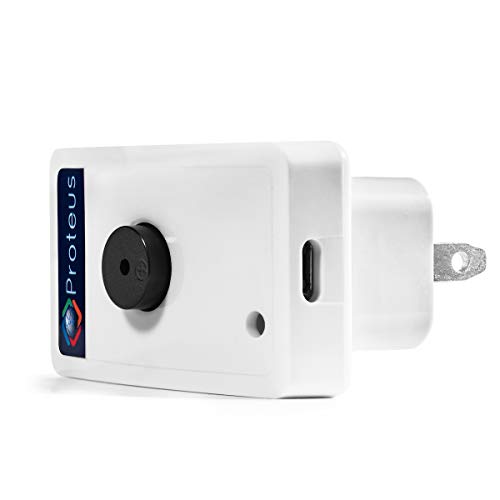
The Proteus L5 brings cloud-enabled water level sensing with threshold alerts that can be viewed live online. It connects directly to home Wi-Fi without a hub, making setup straightforward. The device is suited for monitoring basement sump levels, water tanks, and other critical containers. Real-time visibility across devices ensures you can verify water levels remotely and act before floods occur, especially during rain events or power fluctuations.
LEVEL SENSE Pro Wi-Fi Enabled Sump Pump Alarm
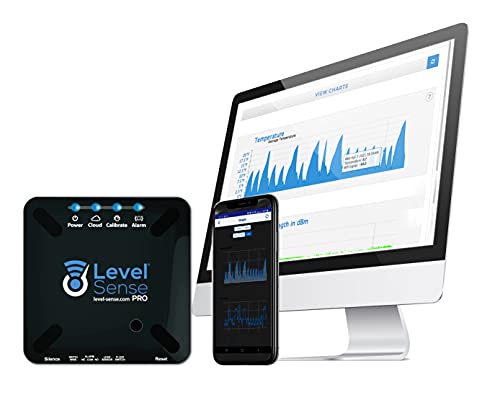
The Level Sense Pro provides real-time monitoring for fluid levels, including temperature, humidity, and water leaks. It uses a WiFi sump pump monitor with a float switch for complementary sensing and cloud-based check-ins to help prevent frozen pipes and flooded basements. An autonomous back-up power option offers added protection during outages, and notifications help you respond quickly to changing conditions around your sump system.
EverNary Sump Pump Alarm with Phone Alerts

The EverNary system includes a 10-foot tethered float switch and a dual alert approach: 90 dB horn with LED indicators and app notifications. It connects via WiFi and is designed to prevent basement flooding by alerting homeowners when water levels rise beyond a set point. The device emphasizes on-site warnings as well as remote monitoring, providing flexible alerts to match user preference for proactive flood management.
MISDUOCOCO Smart WiFi High Sump Pump Alarm
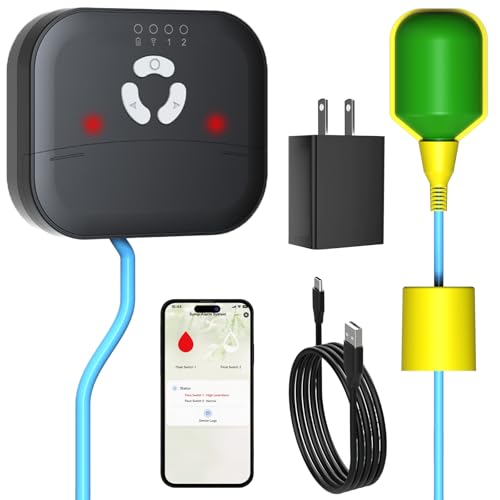
The MISDUOCOCO model offers a smart WiFi connection with a triple alert system: app notifications, a 90 dB siren, and LED flashing. It is designed for use in basements, septic tanks, water tanks, and sump pits, delivering timely warnings to minimize damage from rising water or power-related issues. App-based notifications provide remote awareness even when you are away from home, contributing to faster response times during emergencies.
Buying Guide: Key Purchase Considerations
When choosing a wifi sump pump monitor, consider these factors to ensure you select a system that fits your home’s layout and risk profile.
- Monitoring scope: Decide whether you need just water level alerts or a broader suite including temperature, humidity, and leaks. Higher-end models offer multi-sensor data for better flood risk assessment.
- Alert methods: Look for systems offering app push notifications, emails, SMS, and audible alarms. Redundancy in alerts helps ensure you notice issues.
- Setup and maintenance: Prioritize devices with simple installation (no pit access, cloud-based calibration) and minimal ongoing maintenance or subscription requirements.
- Connectivity and privacy: Consider whether the monitor relies on local WiFi only or includes cloud services. Review data privacy policies and whether data is stored in a secure region.
- Power resilience: If outages are common, choose a model with backup power or battery support to maintain monitoring during outages.
- Sensor redundancy: Some setups pair a float switch with a level sensor or leaks detector. Redundancy can reduce false alarms and improve reliability.
- Environment suitability: Check IP rating and weather resistance if the monitor will be placed in semi-outdoor or damp locations.
- Budget and life cycle: Compare upfront costs with potential subscription fees or cloud service charges, and assess the device’s anticipated lifespan and spare-parts availability.
How to Choose Based on Scenarios
For single-family basements in seasonal climates, a WiFi monitor with cloud access and push alerts is often sufficient. If you have a high water table or chronic sump issues, prioritize models with temperature, humidity, and leak detection to catch precursors to flooding. In homes with frequent outages, a backup power option or battery backup adds resilience. For renters or budgets-conscious buyers, a no-subscription option with robust local alerts provides reliable protection at a lower total cost of ownership. Always verify compatibility with your existing sump pump configuration and electrical setup.
Installation Tips
Place the sensor or float switch near the sump pit’s highest-risk zone for early detection. Ensure secure WiFi coverage in the device’s location and update firmware when prompted. Test alerts by triggering a controlled level rise to confirm that notifications reach your phone and that audible alarms function correctly. Document the device’s model and settings for quick reference during maintenance or when replacing components.
Choosing the right wifi sump pump monitor involves evaluating alert efficacy, ease of use, and how well a device fits your home’s risk tolerance and budget. The five products highlighted above offer a range of features from AI-driven recommendations to cloud-based sensing. By aligning your selection with your risk profile and maintenance preferences, you can minimize flood risk and respond quickly to power or water-related events.