
Gas-powered wood splitters offer serious power for handling knotty, large logs with less effort. This guide highlights top gas-powered models, comparing tonnage, portability, and features to help you choose a splitter that fits your yard, trailer, or job site. We include five practical options and a buying guide to cover different use cases—from heavy-duty, towable units to compact, road-ready machines.
| Product | Brand | Tonage | Engine | |
|---|---|---|---|---|
| BILT HARD 18-Ton Portable Gas Log Splitter | BILT HARD | 18-Ton | 7 HP, 209cc | Portable full-beam design |
| BILT HARD 20-Ton Gas Log Splitter | BILT HARD | 20-Ton | 7 HP, 209cc | Towable with 2-stage pump |
| BILT HARD 25-Ton Horizontal/Vertical Towable Gas Splitter | BILT HARD | 25-Ton | 7 HP, 223cc | Horizontal/Vertical modes, towable |
| BILT HARD 40-Ton Gas Powered Log Splitter | BILT HARD | 40-Ton | 13 HP, 389cc | Full-beam, dual-position |
| Kindling Cracker XL Kindling Splitter | Kindling Cracker | Manual | Manual | Non-gas, safety-first kindling splitter |
BILT HARD 18-Ton Gas Splitter Review

The 18-ton model from BILT HARD delivers solid splitting power via a 7 HP, 209cc OHV engine. Its 9.6 ft.-lb. of torque helps break through common hardwoods with efficiency. A full-beam steel wedge and 10″ tires enhance transportability across uneven terrain, while a 7.5-second cycle time supports steady throughput. Log length up to 20″ and diameter up to 16″ are supported, making it suitable for typical home stacks and mid-season firewood production.
BILT HARD 20-Ton Gas Log Splitter Review

The 20-ton model ups the capacity with a 7 HP, 209cc OHV engine, delivering about 12.4 ft.-lb. of torque. It’s designed for towing, with a 2-in-1 convertible support enabling ATV/UTV use and a top speed of up to 25 MPH on the road. It can split logs up to 21″ long in roughly 7 seconds per cycle, helping households handle larger stacks of firewood efficiently across seasons.
BILT HARD 25-Ton Towable Gas Splitter Review
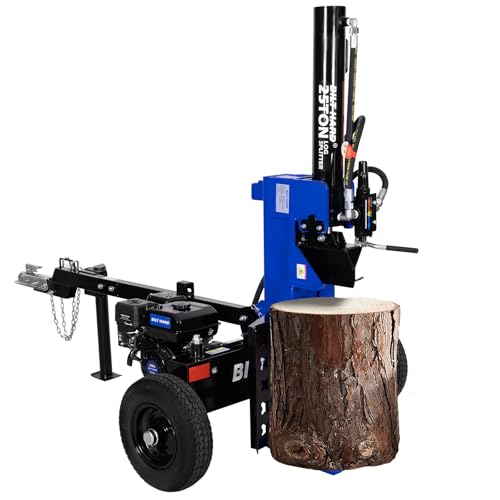
This 25-ton powerhouse features a 7 HP, 223cc OHV engine and a 2″ ball hitch for straightforward towing. It’s designed for heavy-duty, frequent use with horizontal-to-vertical switching to tackle oddly shaped logs. A 16″ tire setup helps with mobility, and the machine is built to deliver efficient splits through dense timber, reducing manual effort on long projects.
BILT HARD 40-Ton Gas Splitter Review

The 40-ton model is built for demanding workloads, powered by a 389cc, 13 HP OHV engine delivering about 16.96 ft.-lb. of torque. Its dual-position operation (horizontal and vertical) enables efficient processing of large, heavy logs. Rugged wheels and a tow-ready frame make transport across sites and rural properties practical, enabling quick deployment to remote work areas.
Kindling Cracker XL Kindling Splitter Review

The Kindling Cracker offers a simple, manual approach to producing kindling, useful as a companion tool in any wood setup. It does not rely on gas power, but it provides a safe, efficient option for splitting smaller pieces into fire-starting kindling without the need for electricity or fuel. Its design emphasizes safety and ease of use, making it a practical add-on for steady firewood preparation alongside a primary gas splitter.
Buying Guide: Key Purchase Considerations
- Power and capacity: Gas splitters typically scale by tonnage. For large, knotty logs, 25–40 tons offer the most versatility, while 18–20 tons cover most home wood piles with good speed.
- Engine size and torque: Larger engines (7 HP to 13 HP) deliver stronger torque for tough species. Consider your typical log diameter and length to pick an appropriate balance of power and fuel use.
- Portability vs. towability: If you split across varied sites, towable or trailer-ready models with robust tires and hitch options are beneficial. For a fixed workspace, portable or compact designs save space and weight.
- Horizontal vs. vertical operation: Horizontal splitters handle standard logs, while vertical setups excel at heavy, oversized pieces. Some models offer dual-position operation for flexibility.
- Tow and road safety: Check hitch type, safety chains, and tire ratings. If you’ll transport on public roads, ensure compliance with local regulations and proper trailering equipment.
- Maintenance and reliability: Look for solid steel wedges, accessible service points, and reputable brands with readily available replacement parts and fuel compatibility.
- Accessories and safety: Two-hand controls, push-button on/off, and included logs supports reduce operator risk. A full beam design can improve stability when handling large volumes.
- Noise and emissions: Gas models may be louder and produce exhaust. If you split in residential areas, consider models with quieter operation and proper ventilation.
Overall, gas-powered splitters offer high splitting power and speed suitable for frequent, heavy-duty wood processing. When selecting, compare tonnage with log dimensions you encounter most often, weight limits for towing, and how often you plan to move the unit between locations. A dual-position model adds versatility for heavy or irregular loads, while a strong tow setup enables easy access to remote work sites.