
Choosing the right batt insulation for an attic can dramatically affect energy efficiency, comfort, and moisture control. This guide highlights five practical batt insulation products and attic door covers that perform well in typical American homes. We compare coverage, moisture barriers, and installation considerations to help you decide what fits your attic space and climate.
Summary of Selected Products
| Product | Type / Application | Approximate Coverage |
|---|---|---|
| Owens Corning 512 SQFT R-38 Unfaced Batt | Unfaced fiberglass batt for attic between trusses | 512 sq ft |
| Owens Corning R-19 Faced Batt | Moisture barrier, exterior-surface suitable | 1280 sq ft |
| Knauf R-38 Kraft Faced Batt | Kraft faced, 2×10 attic spaces | 320 sq ft |
| Knauf R-30 Kraft Faced Batt | Kraft faced, 2×8 attic spaces | 440 sq ft |
| DGSL Attic Stairway Insulation Cover | Attic stair door insulation cover | One cover per opening |
Owens Corning 512 SQFT R-38 Unfaced Batt
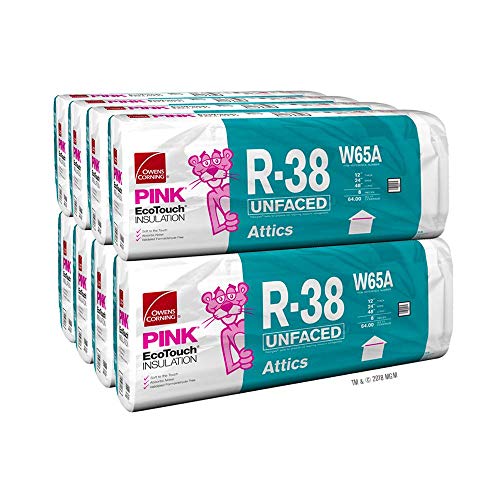
Product overview: This unfaced fiberglass batt is designed for attic applications between trusses. It requires adequate air space (about 2 inches) for moisture control and ventilation. Each bag contains eight batt sections, with a total coverage of 512 square feet in bulk purchases. The insulation contains no paper backing, which some installers prefer for easier handling and less nuisance shedding. It’s suitable for interior spaces such as attic ceilings and can also contribute to sound dampening in certain configurations.
Key considerations: Unfaced batts can improve airflow and moisture handling when correctly vented. Ensure proper installation to avoid compression, gaps, or voids that reduce R-value. The product is not intended for exterior walls, but excels in attic use, especially in spaces with adequate ventilation and open joists. For best results in 2×12 attic joists, align batts between trusses and cut around obstacles carefully.
Owens Corning R-19 Faced Fiberglass Batt (2×6)

This faced batt insulation is sized for 2×6 walls and floors, with a total of 1280 square feet across 10 bags. Kraft facing provides a moisture barrier suitable for exterior-facing surfaces. It’s designed to help with exterior moisture management while maintaining interior comfort. The product is often sold in bundles, accommodating larger attic or floor projects and making it a practical option for mid-size to large homes.
Key considerations: Kraft facing acts as a moisture barrier, which can help protect against humidity intrusion in exposed attic areas. While designed for exterior surfaces, faced batt insulation is also commonly used in attic spaces where moisture exposure is a concern. Ensure proper installation to prevent gaps that compromise R-value. Keep in mind that faced batts can be slightly stiffer to work with in tight or irregular spaces.
Knauf R-30 Kraft Faced Batt Insulation (2×8)

Knauf’s R-30 Kraft faced batt is designed for 2×8 attic spaces, offering a balanced solution for cathedral ceilings or other high-density areas. The product is sold in two bundles of four bags, delivering a total of eight bags and about 440 square feet of coverage. Kraft facing provides a moisture barrier suitable for exterior-facing or moisture-prone installations. The higher density helps reduce air leakage and improve overall attic performance.
Key considerations: Kraft facing can simplify moisture management in attic applications, but installation in tight spots requires careful alignment to avoid compression. Verify that the attic ventilation is adequate to prevent moisture buildup and ensure the batts fit snugly between joists without gaps. This option is well-suited for homeowners pursuing higher R-values in limited attic height.
DGSL Attic Stairway Insulation Cover

The DGSL Attic Stairway Insulation Cover is a dedicated solution for attic access points. It uses premium foil bubble insulation with double-layer aluminum, creating a sealed barrier that reduces heat transfer through attic doors or pull-down stairs. The cover is designed to fit openings up to 25″ x 54″ x 11″ and claims an R-value of 14.5, contributing to energy savings across seasons. It’s a practical add-on to insulation projects, helping to minimize drafts and moisture infiltration from attic access points.
Key considerations: This accessory does not replace batt insulation but complements it by sealing attic entryways. Installation is straightforward, with a zipper access and a designed fit for common attic opening dimensions. In homes with taller or irregular attic doors, confirm compatibility before purchase and ensure the door area remains accessible for routine use.
Buying Guide: Key Purchase Considerations for Attic Insulation
When selecting batt insulation for an attic, several factors influence long-term performance and comfort. Here are the main considerations across different perspectives:
- R-value needs: Attic climates vary widely. Determine whether you need higher R-values (e.g., R-30 to R-38) for heat retention in winter and heat rejection in summer. Consider existing insulation and the attic’s insulation history.
- Faced vs unfaced: Faced batts have a moisture barrier that helps with exterior moisture exposure, while unfaced batts offer greater flexibility in tight joists and easier vapor management in some interiors. Choose based on moisture risk and installation preferences.
- Ventilation and air space: Proper venting and air gaps are essential to prevent moisture buildup in attic insulation. Ensure at least minimal air space where required by product instructions and attic design.
- Installation quality: Batts should be installed without compression, gaps, or voids. Cut accurately around obstacles, and use supports where needed to prevent sagging. For attic stairs or doors, insulation covers can significantly improve overall envelope performance.
- Moisture control: In climates with high humidity or intermittent moisture exposure, moisture barriers and vapor retarders help protect insulation performance. Consider moisture-resistant options for exterior-facing applications or poorly ventilated attics.
- Durability and maintenance: Some batt products resist pests and mold better than others. Factor in local climate, presence of rodents, and potential water intrusion when selecting materials.
- Door and access point sealing: Attic stair doors are often overlooked sources of heat transfer. Insulation covers or attic tents can reduce energy loss and drafts without blocking access for maintenance.
Overall, an effective attic insulation strategy typically combines high-quality batt insulation with sealant measures at access points. Matching products to attic dimensions, ventilation, and climate yields better energy savings and comfort over time.