
Choosing the right sealant for an RV skylight is essential to prevent leaks and extend the life of a roof. The best options combine weather resistance, flexibility, and compatibility with common RV roofing materials like EPDM, TPO, and metal. This guide highlights top sealants suitable for skylights and surrounding roof edges, with quick installation and long-lasting performance. Below is a quick summary of five strong choices, followed by detailed product sections to help you compare features and suitability for your rig.
| Product | Surface Compatibility | Leveling | Key Benefit | |
|---|---|---|---|---|
| Survol RV Roof Sealant | Survol | EPDM, TPO, PVC, metal, wood, more | Self-leveling | Excellent all-weather performance for skylights and vents |
| BEEST RV Roof Sealant | BEEST | Vertical & horizontal surfaces | Non-leveling | Versatile, non-drip formula for vertical seams |
| Dicor 501LSW-1 | Dicor | Horizontal roof surfaces | Self-leveling | Sun-ray stabilized to resist discoloration |
| ICON 12062 Skylight Sealant | ICON | Skylight domes and surrounding areas | Non-specified (self-leveling noted) | White butyl sealant, easy removal |
| Erigathe Self-Leveling Sealant | Erigathe | RV roofs, vents, trim | Self-leveling | Fast cure, UV-resistant, long-lasting |
Survol RV Roof Sealant Self-Leveling

Survol’s self-leveling RV roof sealant is designed for horizontal edges, vents, and skylights. It levels smoothly to create a seamless, watertight seal and remains flexible across extreme temperatures from -40°F to 200°F. The product claims broad substrate compatibility, including EPDM, TPO, PVC, metals, glass, and wood, making it a versatile choice for various skylight installations and repairs on RVs, campers, and trailers. Its all-weather performance helps prevent cracking and peeling while maintaining a breathable, durable seal over time.
BEEST RV Roof Sealant (Non-Leveling)

BEEST offers a non-leveling, hybrid silicone RV sealant that adheres well to vertical and overhead surfaces—ideal for skylight frames, doors, and window seams. It provides a flexible, non-cracking seal with quick-drying characteristics and UV resistance. The formula emphasizes easy, drip-free application even on vertical surfaces, making it suitable for quick repairs around skylights and other tall roof features. It claims strong adhesion on EPDM, TPO, metal, and other substrates, offering versatile protection against moisture and weathering.
Dicor 501LSW-1 Self-Leveling Lap Sealant

Dicor’s 501LSW-1 is a self-leveling lap sealant designed for horizontal roof surfaces, offering sun-ray stabilization to prevent discoloration or staining of RV roofing materials. Its white color provides a clean, reflective finish while maintaining a smooth, even application. This product is a popular choice for sealing skylight bases, roof seams, and other horizontal joints where a seamless, watertight seal is required. The self-leveling nature helps reduce manual smoothing and ensures a uniform layer of protection.
ICON 12062 Skylight Rubber Butyl Sealant
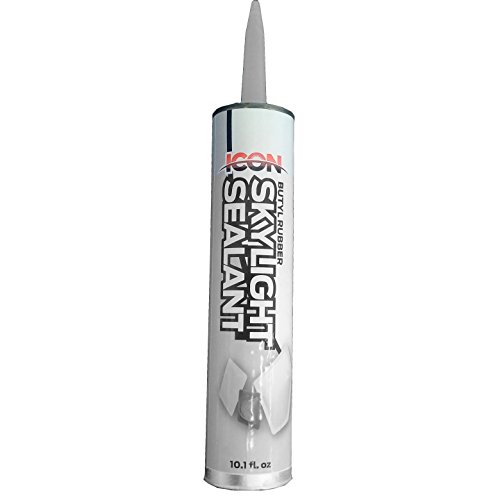
ICON 12062 is a white butyl rubber sealant designed specifically for sealing skylights and related roof components. It’s a self-leveling option that aims to deliver a secure, long-lasting seal around skylight domes. The brand emphasizes the ease of removal, which can be beneficial when retrofitting or replacing skylights in the future. This product is particularly suitable for users prioritizing a dedicated skylight sealing solution with straightforward application.
Erigathe Self-Leveling RV Roof Sealant

Erigathe offers a self-leveling RV roof sealant designed for laps around skylights, vents, and roof edges. The product highlights a quick-drying formula with tack-free behavior in about two hours and a broad operating range from -40°F to 200°F. It emphasizes strong adhesion to metal, fiberglass, and EPDM rubber, aiming to prevent cracking, shrinking, or peeling. This sealant is positioned as a robust option for quick repairs and reliable, long-term protection on RV roofs.
Buying Guide: Key Purchase Considerations
- Surface compatibility: Ensure the sealant adheres to your RV roof materials (EPDM, TPO, metal, wood, glass, etc.). Some products are optimized for horizontal surfaces, while others excel on vertical faces around skylights.
- Leveling behavior: Self-leveling sealants are ideal for horizontal seams and skylight bases to create a smooth seal. Non-leveling options work well on vertical surfaces or where sagging is a concern.
- Weather resistance: Look for a sealant rated for wide temperature ranges and UV exposure to prevent cracking and discoloration on sunny day-coats and cold nights.
- Drying and cure times: Short tack-free times expedite maintenance, but ensure full cure before exposure to rain or heavy traffic.
- Removability and future maintenance: If you anticipate replacing skylights, consider whether a sealant is easy to remove without damaging surrounding materials.
- Color and aesthetics: White or clear finishes typically reflect heat and blend with most RV roofs; color-matching can help maintain appearance.
- Environmental and safety considerations: Some products emphasize non-toxic formulations and low odor, which can be advantageous for indoor work or enclosed spaces.
- Substrate versatility: A sealant that works on EPDM, TPO, PVC, metals, wood, glass, and mortar provides flexibility for repairs across different RV models and roof types.
- Longevity: Favor products described as long-lasting with minimal shrinking or cracking, especially around skylight edges and vent openings where movement occurs during travel.
- Application method: Some sealants are self-leveling, reducing manual smoothing, while others require careful application on vertical surfaces to avoid sagging.
When selecting a sealant, consider the specific skylight configuration on your RV, whether you need a self-leveling option for horizontal seams, or a non-leveling sealant for vertical or overhead connections. Prioritize products with proven adhesion to standard roofing materials and clear guidance on curing times to coordinate with maintenance schedules.