
Corded reciprocating saws are built for serious demolition, remodeling, and construction work. This guide highlights top corded models, focusing on power, durability, and ease of use. Each pick offers a balance of aggressive cutting, versatile controls, and tool-free blade changes to keep jobs moving. Use the buying guide at the end to compare key factors like motor amperage, stroke length, speed control, and vibration reduction to choose the right saw for your needs.
| Product | Brand | Motor | Stroke/Speed | Key Benefit |
|---|---|---|---|---|
| DEWALT DWE305 | DEWALT | 12 Amp | 4-Position Blade Clamp, up to 2,900 RPM | Heavy-duty power, versatile blade positioning |
| GALAX PRO 120V | GALAX PRO | 6.0 Amp | 4/5″ stroke, up to 3,000 SPM | Compact, high speed for diverse materials |
| Skil 9206-02 | Skil | 7.5 Amp | Variable speed | Balanced power and rugged build |
| CRAFTSMAN CMES300 | CRAFTSMAN | 7.5 Amp | 1-1/8″ stroke, up to 3,200 RPM | Solid control and fast cutting |
| WEN 3630 | WEN | 10 Amp | 8-position, up to 2,800 SPM | Eight-position head for versatile angles |
Whether you’re cutting through wood, metal, PVC, or mixed materials, these corded saws provide reliable performance with features like tool-free blade changes, variable speed, and pivoting shoes to improve control. The following sections explore five top options, each with a concise overview of what makes it suitable for demanding tasks in American workshops and job sites.
DEWALT Reciprocating Saw, 12 Amp, DWE305

The DEWALT DWE305 delivers a robust 12-amp motor designed for heavy-duty applications, making quick work of framing, demolition, and thick materials. A 4-position blade clamp enables flush cuts and increased versatility in tight spaces, while the keyless lever-action blade clamp allows rapid blade changes. The variable speed trigger gives precise control for different materials, helping minimize debris and chatter. This model is well-regarded for durability and consistency across pro job sites, with a balance of power and ergonomics that suit prolonged use.
GALAX PRO 120V Reciprocating Saw

The GALAX PRO model features a 6.0-amp motor offering up to 3,000 SPM for rapid cuts in wood, metal, PVC, and more. Its stroke length reaches 4/5″ with a maximum cutting depth in wood and metal of about 4-1/2″, enabling substantial removal in a single pass. A quick-change chuck and an adjustable shoe simplify blade changes and blade usage, while a lock-on button reduces fatigue on long cuts. Pivoting shoe support helps manage gaps and contours around obstacles, enhancing stability during aggressive cutting tasks.
Skil 9206-02 7.5-Amp Variable Speed Saw
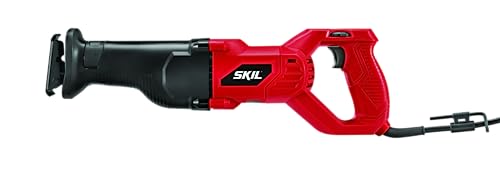
The Skil 9206-02 blends a solid 7.5-amp motor with a rugged metal gear housing, delivering dependable performance for demanding jobs. It offers a tool-less blade change for quick swaps and consistent cutting performance. The combination of power and durability makes it a reliable choice for construction work, demolition, and remodeling tasks where frequent blade changes and steady RPMs are required.
CRAFTSMAN Reciprocating Saw CMES300

The Craftsman CMES300 pairs a 7.5-amp motor with a 1-1/8-inch stroke length to push through fast cutting tasks. A variable speed trigger provides precise control across materials, while the quick blade-change feature minimizes downtime between cuts. This model emphasizes ease of use and reliable performance, making it a practical option for homeowners and professionals tackling mixed-material projects.
WEN 3630 10-Amp Reciprocating Saw
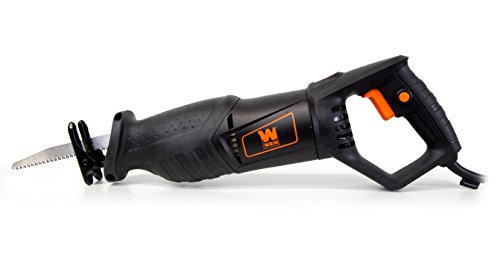
The WEN 3630 offers a 10-amp motor capable of handling up to 4-1/2 inches of wood and 3/5 inches of metal. A pressure-sensitive trigger provides variable speed up to 2,800 strokes per minute, while an eight-position pivoting head accommodates varied angles for complex cuts. This saw is a solid option for those who need versatility and adjustable geometry for tight spaces and unconventional cuts.
Other strong options in this category include the Yunirvana 120V and Inequalit 6A models, each with features tailored to efficiency, blade versatility, and ergonomic operation. When evaluating these tools, consider blade compatibility, vibration management, weight, and the availability of replacement parts and accessories.
Buying Guide: Key Purchase Considerations
- Motor power: Higher amperage (7.5–12 A) generally translates to more aggressive cutting and better performance with tough materials. Match power to your typical workload.
- Stroke length and depth: Longer stroke (1-1/8″ or more) and deeper cuts improve material removal speed, especially for wood and metal sheets.
- Speed control: Variable speed triggers let you tailor the cut to the material, reducing chipping and binding on delicate jobs.
- Blade changes: Tool-free blade clamps speed setup time and minimize downtime on the job site. Check ease of blade removal and availability of common blade types.
- Ergonomics and vibration: A comfortable handle, balanced weight, and vibration-reduction features improve control during extended use.
- Durability and build: A rugged housing, quality gears, and replaceable brushes extend the tool’s lifespan in demanding environments.
- Accessories and compatibility: Consider included blades, shoe adjustability, and compatibility with common blades for wood, metal, PVC, and composites.
- Maintenance: Availability of spare parts and the ease of service can affect long-term reliability and total cost of ownership.
- Usage scenarios: For heavy demolition, prioritize power and durability; for general remodeling, emphasize balance, comfort, and blade versatility.
- Warranty and support: A solid warranty and accessible customer support can protect your investment over time.
Choosing a corded reciprocating saw involves weighing power against maneuverability and maintenance needs. The models listed above provide a range of strengths, from compact, fast-cutters to heavy-duty demolition machines. Assess your typical materials, cut types, and the environments where you’ll work to identify the best fit.