
Lineman climbing boots are built to deliver stability, protection, and grip while you ascend poles or structures. This guide highlights five top-rated boots that blend durability with comfort, tailored for utility crews, arborists, and outdoor workers. Below you’ll find each option’s core strengths, what to consider when choosing, and a practical buying guide to help you compare features side by side. A quick summary table nearby helps you scan the picks at a glance.
| Product | Brand | Key Features |
|---|---|---|
| Carolina Linesman 10″ Composite Toe Waterproof Work Boot | Carolina | Composite toe, waterproof, slip-resistant outsole |
| Kenetrek Lineman Extreme Non-insulated Steel Toe Boot | Kenetrek | 10″ leather upper, steel toe, deep traction outsole |
| Arbpro EVO 2 Climbing Arborists Boots | Arbpro | High-grip Vibram sole, climbing-specific design |
| Carolina Elm 8″ Logger Steel Toe Work Boots | Carolina | Steel toe, waterproof lining, cushioned comfort |
| Georgia Boot Logger Work Boot | Georgia Boot | Steel shank, cushioned insole, durable weather resistance |
Choosing the right lineman boot involves evaluating protection, waterproofing, traction, and comfort for extended wear. The selections below emphasize stability on poles and rough terrains, while maintaining foot protection across work environments.
Carolina Linesman 10″ Composite Toe Waterproof Boot

The Carolina Linesman boot is designed for heavy-duty use on utility sites and climbing tasks. Its composite toe provides protective protection without extra weight associated with steel toes. The waterproof construction helps keep feet dry in wet conditions, which is essential for all-day stability. The slip-resistant outsole adds confidence on slick poles, ladders, and job sites, reducing the risk of slips when juggling gear aloft. Padding and fit are geared toward long shifts, with a focus on comfort during vertical work.
Kenetrek Lineman Extreme Non-insulated Steel Toe Boot

The Kenetrek Lineman Extreme is a purpose-built option for serious climbing work. Its 10-inch leather upper uses robust full-grain leather with thorough stitching for durability in demanding environments. A deep, open-tread outsole with 360-degree traction teeth maximizes grip on uneven poles and wet surfaces. The one-piece vulcanized rubber sole offers long-lasting durability, while forged hardware reduces corrosion risks. The design supports rigorous movement, with a focus on lateral stability and secure footing as you maneuver equipment at height.
Georgia Boot Steel Toe Waterproof Logger Boot

Georgia Boot’s Steel Toe Waterproof Logger Boot focuses on rugged, all-weather performance. The waterproof construction helps keep feet dry through mud, rain, or damp wood environments often encountered in logging or utility applications. The boot’s overall build emphasizes heavy-duty performance and all-day comfort, suitable for extended climbs and long shifts. Steel toe protection adds essential impact resistance for field work where dropped tools or hardware are a risk. The design aims for a balanced mix of durability and support for demanding terrain.
Carolina Elm 8″ Logger Steel Toe Work Boots
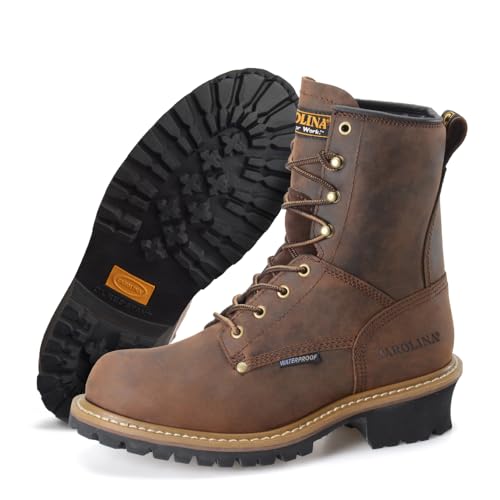
The 8-inch Elm Logger boots from Carolina combine steel toe protection with waterproof features for a reliable work boot in challenging field conditions. The Scubaliner-like waterproofing helps the foot stay dry in wet environments, while the pillow-cushion footbed delivers an extra layer of comfort during a long day of climbing and standing. This boot is designed to endure heavy-duty tasks with a focus on stability and supportive arch structure, making it a practical option for utility crews and loggers alike.
Buying Guide: Key Considerations for Lineman Boots
- Protection vs. weight: Steel toes provide robust protection but add weight. Composite toes offer lighter protection and can reduce fatigue when climbing all day.
- Waterproofing and insulation: For outdoor and pole-side work, waterproof membranes preserve foot health and comfort. Insulation is optional and depends on climate; many lineman boot designs favor water resistance without heavy insulation for year-round use.
- Traction and outsole design: A deep tread and corrosion-resistant outsole with 360-degree grip helps on wet poles, ladders, and uneven terrain. Look for Vibram or similarly proven outsoles if possible.
- Height and ankle support: Higher shafts (8–10 inches) provide more ankle protection and stability during climbs or pole work, but ensure fit and flexibility aren’t compromised.
- Fit and sizing: Some climbing boots run small; consider half sizes if needed. Proper toe box width and midsole support influence long-wear comfort on vertical tasks.
- Durability and materials: Full-grain leather uppers with reinforced stitching tend to endure harsh environments. Vulcanized or dual-density outsoles add longevity and impact resistance.
- Maintenance: Waterproof leather benefits from conditioning and timely cleaning to maintain flexibility and protection over time.
Among the options presented, the Carolina and Kenetrek models stand out for pole work due to their protective features and traction systems. Arbpro’s climbing-specific design emphasizes grip for arborist tasks, while the Georgia Boot and Carolina Elm lines balance waterproofing with comfort to support long hours on rough terrain. When selecting, align features with your typical work conditions, climate, and the frequency of climbs to ensure you get the best value and safety.