
The attic is a critical part of home energy efficiency. While blown-in insulation is a common choice, insulating attic doors, stairs, and openings can dramatically reduce heat transfer and air leakage. This guide highlights five practical attic insulation products that complement blown-in insulation by sealing access points and improving overall efficiency. Each option is designed to fit standard 25″ x 54″ attic openings and roofline configurations, helping homeowners maintain stable interior temperatures without compromising access or safety.
| Product | Brand | Type | Key Benefit |
|---|---|---|---|
| Attic Stairway Insulation Covers | DGSL | Attic Door Insulation Cover | Year-round seal and energy savings |
| LEMOONE Attic Door Insulation Cover | LEMOONE | Attic Door Insulation Cover | Easy install; strong seal |
| Eapele Attic Stairs Insulation Cover | Eapele | Attic Door Insulation Cover | Double bubble reflective barrier |
| Souroyea Attic Door Insulation Cover | Souroyea | Attic Door Insulation Cover | All-season energy savings |
| SmartSHIELD Reflective Insulation Roll | INSULATION MARKETPLACE | Reflective Insulation Roll | High radiant barrier for attics |
Attic Stairway Insulation Cover – Premium Energy Saving

DGSL’s Attic Stairway Insulation Cover is designed to seal attic openings year-round. Constructed to fit openings up to 25″ x 54″ x 11″, it combines premium foil bubble insulation with a reflective surface to reduce radiant heat transfer. The multi-layer design helps prevent dust and pollutants from entering living spaces while maintaining a comfortable indoor environment. Fire-resistance and moisture protection contribute to a robust attic door solution that supports overall energy efficiency.
LEMOONE Attic Door Insulation Cover
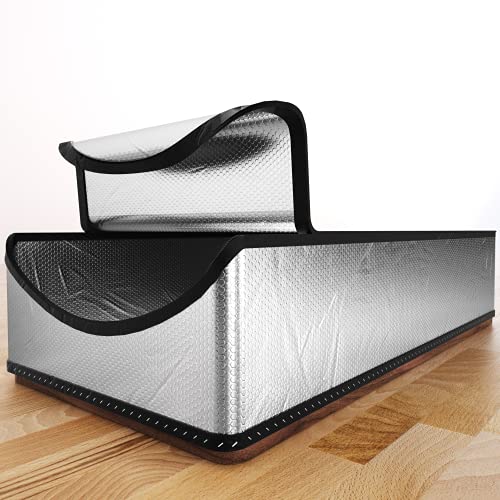
LEMOONE’s Attic Door Insulation Cover blocks air and heat exchange between the room and the attic, supporting consistent indoor temperatures across seasons. The product emphasizes quick installation with a three-step process: unfold, insert, and fit. It fits attic openings up to 25″ x 54″ x 11″ and uses a zipper-access design to balance safety with easy access for routine attic visits. This cover focuses on creating a reliable seal while staying user-friendly for homeowners and maintenance tasks.
Eapele Attic Stairs Insulation Cover Tent

Eapele’s attic stair cover uses a double bubble reflective radiant barrier to reflect up to 95% of radiant heat. The design aims to provide an air seal that minimizes energy loss year-round while reducing draft and dust intrusion. A heavy-duty zipper system supports repeated openings and closings, helping maintain a tight seal when the attic is in use. The product caters to energy-conscious homeowners seeking a lightweight, durable solution for attic access points.
Souroyea Attic Door Insulation Cover

Souroyea’s Attic Door Insulation Cover combines premium foil bubble insulation and a weatherproof shield to fit standard attic openings. The design targets moisture and dust reduction while contributing to seasonal energy efficiency. The cover claims year-round insulation performance, blocking heat transfer and helping to maintain indoor comfort. It emphasizes moisture resistance as a key feature for attics prone to humidity or condensation, alongside easy installation and reliable sealing.
SmartSHIELD -3mm Reflective Insulation Roll
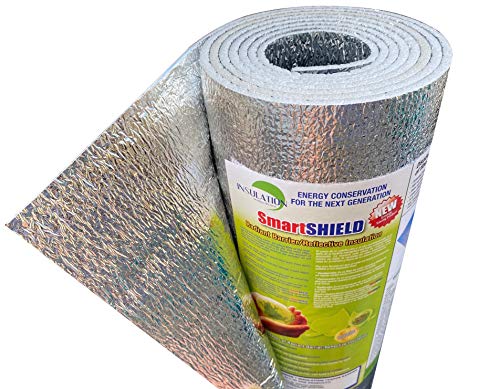
INSULATION MARKETPLACE SmartSHIELD is a 3mm reflective insulation roll with a foam core designed for radiant barrier applications. The product aims to reflect about 95% of radiant energy, reducing heat gain in attic spaces. Its vapor barrier characteristics help resist moisture migration, supporting installations both indoors and outdoors. The foam core adds rigidity, while the reflective foil layers maximize thermal performance with straightforward cutting and installation, making it a practical addition to an attic energy-efficiency strategy.
Mpmedo Magnetic Door Curtains

Mpmedo’s Magnetic Door Curtains provide a heavy-duty, multi-layer insulation solution with strong magnets for seamless closure. The design minimizes drafts, reduces noise, and improves privacy while contributing to energy savings. This option is well-suited for attic doorway or garage door insulation needs where a flexible curtain approach can adapt to frequent openings and closures. The product emphasizes durability and a secure seal across seasonal temperature changes.
Buying Guide: Key Purchase Considerations And Comparisons
When choosing attic insulation solutions that complement blown-in insulation, consider how each option addresses air leakage, moisture control, radiant heat, and ease of access. Here are essential factors and practical comparisons to help you decide:
- Seal quality: Look for multi-layer constructs (foil, bubble, and fabric) that offer an effective air and dust seal. Higher sealing effectiveness translates to better year-round comfort and smaller energy bills.
- Thermal performance: Attic door covers with higher reflective surfaces (radiant barriers) can significantly reduce heat transfer in hot climates. Radiant barrier efficiency depends on reflectivity (percent) and installation fit.
- Ease of installation: Favor products with simple setup (unfold, insert, zip, or place) and clear dimensions that match your opening. Reusable covers with sturdy zippers or magnets often save time on maintenance.
- Durability and materials: Durable fabrics, aluminum layers, and moisture-resistant membranes help prevent wear over multiple seasons. Fireproof and water-resistant features add long-term reliability.
- Fit and accessibility: Confirm that the product fits standard attic openings (25″ x 54″ x 11″). Zipper access and easy reach designs enable safe and convenient attic use without sacrificing insulation.
- Moisture resistance: in humid climates, moisture protection reduces mold and mildew risk. Vapor barriers and foil layers help manage humidity migration into living spaces.
- Compatibility with existing insulation: These products are intended to complement blown-in insulation by sealing access points. Consider how they integrate with your current attic setup to maximize overall efficiency.
In practice, a combination approach often yields the best results: a robust blown-in attic insulation system to fill cavities, plus a well-sealed attic door or stair cover to minimize infiltration at the access point. Evaluate your climate, attic layout, and maintenance needs to pick the right combination for long-term energy savings.