
Choosing the right entry level table saw helps DIYers and hobbyists tackle a wide range of projects with confidence. This article highlights five reliable models that balance performance, portability, and value. Each entry includes key features to compare at a glance, followed by deeper dives to help you decide which saw fits your shop and woodworking goals. A quick summary table below previews the selected products.
| Product | Brand | Model |
|---|---|---|
| SKIL 15 Amp 10 Inch Portable Jobsite Table Saw with Folding Stand | Skil | TS6307-00 |
| DEWALT 10-Inch Table Saw with Rolling Stand | DEWALT | DWE7491RS |
| SKIL 10 Inch Heavy Duty Worm Drive Table Saw with Stand | SKILSAW | SPT99-11 |
| Evolution R10TS 10″ Jobsite Table Saw | EVOLUTION | R10TS |
| BOSCH GTS15-10 10 Inch Portable Jobsite Table Saw | Bosch | GTS15-10 |
SKIL 15 Amp 10 Inch Portable Jobsite Table Saw with Folding Stand
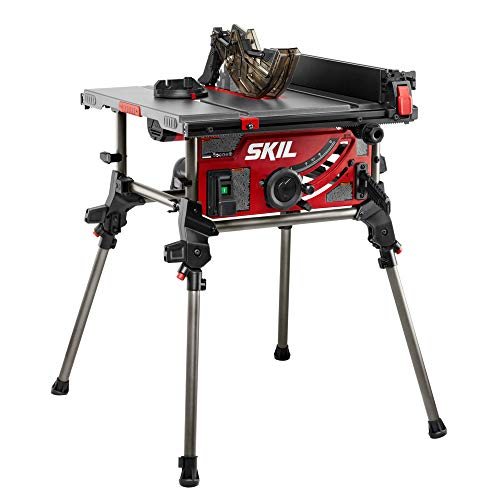
The SKIL TS6307-00 is designed for portability and easy setup on job sites. It features rack and pinion fence rails to keep the fence parallel to the blade for fast, accurate cuts. The integrated folding stand provides quick storage and transport, while the parallel blade alignment allows micro-adjustment of the blade to match the rip fence and miter slot. This combination makes it a practical entry point for beginners seeking a compact, reliable saw without sacrificing precision.
DEWALT 10-Inch Table Saw with Rolling Stand, 32-1/2-Inch Rip Capacity

The DEWALT DWE7491RS combines a rack and pinion telescoping fence system for fast, smooth, and accurate fence adjustments. It includes a patented material support to aid narrow rip cuts, and a generous 32-1/2″ rip capacity to handle larger panels. For beginners, the rolling stand simplifies mobility between workspaces, and the overall build emphasizes durability and stability for long-term reliability.
SKIL 10 Inch Heavy Duty Worm Drive Table Saw with Stand
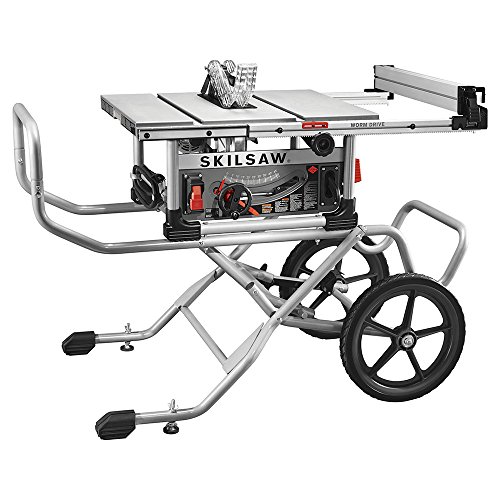
The SKILSAW SPT99-11 leverages a worm drive gear train for robust performance, delivering 3-5/8 inch depth of cut and 30-1/2 inch rip capacity. The precision rack and pinion fence system enables fast, smooth adjustments for accurate cuts, while the rugged rolling stand with 16-inch wheels and easy-load handles provides dependable mobility for on-site use and workshop setups alike.
Evolution R10TS 10″ Jobsite Table Saw

The Evolution R10TS offers a powerful 15A motor with multi-material cutting capabilities, including wood, mild steel, aluminum, and composites. It has a 26″ rip capacity and a 3-3/8″ maximum cut depth, plus a bevel range of 0-45 degrees. A dual rack and pinion fence system provides micro-adjustable rip, tool-free blade height adjustment, and parallel blade alignment for dependable accuracy across various materials.
BOSCH GTS15-10 10 Inch Portable Jobsite Table Saw
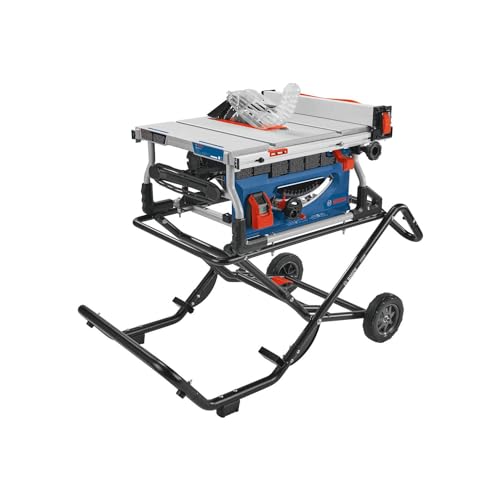
The Bosch GTS15-10 features a 15-amp motor with a rip-to-cross-cut performance that suits a range of hardwood and softwood tasks. It includes a convenient brake to quickly stop the blade, boosting efficiency on the job. A gravity-rise wheeled stand supports easy setup and mobility, while its clampzone areas expand the usable work surface for light-duty tasks around the job site or workshop.
Buying Guide: Key Considerations For Entry-Level Table Saws
- Power and motor type: Look for 15-amp motors for capable, consistent cutting across standard plywood, dimensional lumber, and common softwoods. Worm-drive configurations offer torque for tougher cuts, while direct-drive motors prioritize lighter, more compact designs.
- Rip capacity: Entry-level saws typically range from 24″ to 32″ rip capacity. Choose based on the typical sheet materials you plan to cut and whether you anticipate large panels or shelving components.
- Fence system and accuracy: A rack and pinion fence or similar system helps maintain fence alignment with the blade. Micro-adjustments improve precision for repeated cuts and critical joinery.
- Portability vs stability: Folding or rolling stands aid transport, while solid, sturdy bases ensure accuracy during operation. If you move between job sites, prioritize quick setup and reliable stability.
- Safety features: Look for blade guards, riving knives, and safety brakes. A blade brake can dramatically reduce downtime after cuts or misfires, especially on busy projects.
- Size and footprint: Consider your shop space. Compact jobsite models fit small workshops but may offer less capacity. Plan for storage when the saw is not in use.
- Accessories and compatibility: Check for included accessories like miter gauges,45-degree bevel scales, and compatibility with common 10″ blades. Tool-free adjustments save time for new users.
- Maintenance and service: Reputable brands with accessible replacement parts help extend the tool’s life. Regular checks on fence alignment, blade flushness, and alignment reduce drift over time.
- Warranty and support: A longer warranty and robust customer support can be a deciding factor when choosing an investment for a beginner’s shop.
Choosing the right entry level table saw involves balancing budget, space, and project needs. The five models highlighted here cover a range of capabilities, from portable jobsite units to more robust stand-alone designs. When evaluating, consider the kinds of materials you’ll cut, how often you’ll move the saw, and the level of precision you require for your projects. This approach helps identify the best value while keeping future upgrade paths in mind.