
Finding a dependable lighter for survival situations means prioritizing durability, windproofing, waterproofing, and long-lasting battery life or fuel supply. The following selections are designed for camping, hiking, disaster readiness, and emergency kits. Each option blends rugged build quality with practical features like USB rechargeability, wind resistance, and metal-cased designs to withstand the elements. Explore five top candidates that cover dual-arc flameless lighters, torch lighters, and multi-function kits to help you start fires when every second counts.
| Product | Brand | Highlights |
|---|---|---|
| Laffizz 2 Pack Waterproof Lighter Outdoor | Laffizz | USB rechargeable dual-arc lighter + butane torch, IP56 waterproof, lanyards included |
| LcFun Waterproof Electric Lighter Windproof Dual Arc USB | LcFun | Dual-arc plasma, USB rechargeable, waterproof, durable |
| Scotte Plasma Windproof Arc Lighter | Scotte | 2-in-1 lighter and LED flashlight, Magnesium fire starter |
| Survival Frog Tough Electric Lighter 2.0 | Survival Frog | Waterproof, windproof, built-in flashlight, USB rechargeable |
| LcFun 2 Pack Waterproof Outdoor Lighter | LcFun | Two-pack windproof torch and dual-arc lighter, USB rechargeable |
Laffizz 2 Pack Waterproof Lighter Outdoor Windproof Torch Lighters

The Laffizz duo combines a USB-rechargeable dual-arc lighter with a refillable butane torch lighter, delivering versatility for different fire-starting needs in the outdoors. The flameless electric lighter uses a wind-resistant arc, while the torch lighter handles thicker wood and embers. A waterproof, metal-ring sealed cover and locking clasp protect the devices in rain or spray, making them suitable for camping, hiking, and survival kits. A USB cable and two lanyards support easy transport and quick recharging; charging time is typically around 1.5 hours, and a full charge can last for multiple uses in the field. This set aims at redundancy: two distinct ignition options in one compact package.
Key considerations: USB-rechargeable life spans up to hundreds of ignitions per charge; IP56 rating offers rain and wind resistance; reliable for quick ignition in wet or windy environments. Potential trade-offs include the need to carry both a USB charger and fuel refill option if you frequently switch between lighter modes, ensuring you have maintenance supplies on longer trips.
LcFun Waterproof Electric Lighter Windproof Dual Arc USB Rechargeable

LCfun’s waterproof electric lighter uses a flameless dual-arc design with USB rechargeability, eliminating gas refills. It is constructed with durable ABS and zinc alloy materials and features IP56 waterproofing for use in rainy or windy conditions. The lighter ships with a paracord lanyard for easy carrying during camping or hiking and provides a reliable ignition source for campfires, stoves, and emergency kits without the need for traditional lighter fluid. A visible fuel-tank torch lighter variant is available in the same family for users who prefer a traditional flame option in controlled bursts.
Key considerations: no gas or butane required, which reduces risk in certain environments; one-hour full charge and a charging cable included; windproof operation aids in adverse conditions. Trade-offs may include a higher upfront cost versus disposable lighters, and occasional alignment checks for the dual-arc tips to maintain consistent ignition performance.
Scotte Plasma Windproof Arc Lighter and 5-in-1 Magnesium Fire Starter

This 2-in-1 design combines a windproof electric lighter with a built-in LED flashlight and a magnesium fire starter. The lighter uses a flameless arc system that ignites reliably in inclement weather, offering dozens to hundreds of uses per charge depending on usage. The magnesium rod and other survival features—such as a whistle and paracord—make it a compact multi-tool for emergency kits, camping bunkers, or hiking packs. The device aims to diversify ignition options while maintaining a compact form factor for portability in rugged environments.
Key considerations: rapid charging in about two hours; automatic power-off protection for safety; magnesium rod provides a traditional fire-starting option in all-weather conditions. Trade-offs include slightly higher complexity for users who only need a simple lighter, though the additional features provide redundancy during survival scenarios.
Survival Frog Tough Electric Lighter 2.0
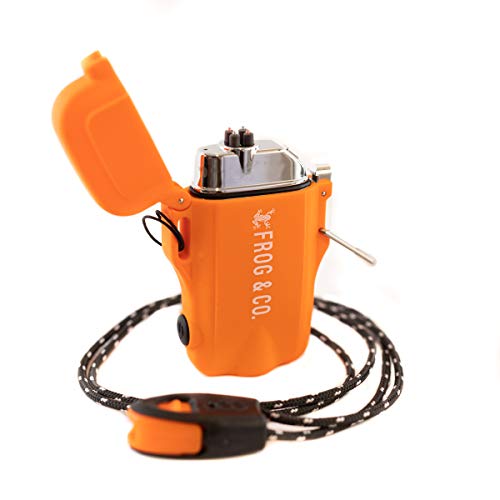
The Survival Frog electric lighter emphasizes waterproof and windproof performance with a built-in flashlight, charging via USB, and a robust zinc-alloy housing. It is designed for outdoor duties such as camping, trekking, and survival kits where weather resistance and dependable ignition are paramount. The lighter’s dual-arc plasma mechanism ensures reliable ignition in damp conditions, while the top-facing design helps prevent water ingress and increases ease of use with wet hands. A compact size supports EDC strategies, making it a practical choice for emergency preparedness.
Key considerations: weatherproof construction reduces performance degradation in rain; built-in flashlight adds value in low-light scenarios; battery life depends on usage rate; the lighter is designed to be recharged rather than discarded after a single trip. Trade-offs include a slightly heavier build and a larger form factor compared to ultra-mini options, which may be a trade-off for added durability.
LcFun 2 Pack Waterproof Outdoor Lighter
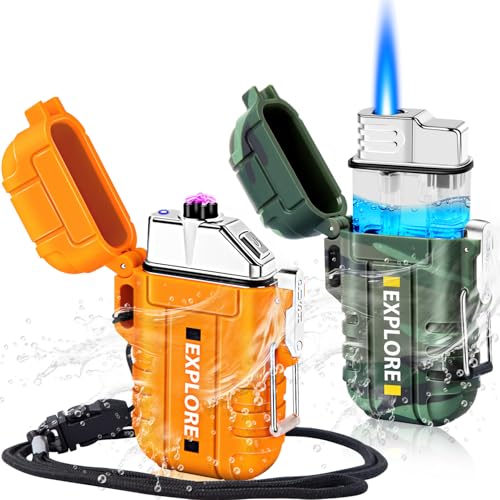
This two-pack by LCfun includes a combination of a torch lighter and a dual-arc plasma lighter, both designed for outdoor resilience. The waterproof system and windproof features help ensure ignition in adverse weather. The dual-arc lighter relies on a rechargeable battery with a reported life in the hundreds of uses per charge, supported by a USB recharge port. The torch lighter offers an adjustable flame for more controlled burning of wood or tinder. The kit is well-suited for campers, hikers, and survival kits that require redundancy and quick ignition capability under challenging conditions.
Key considerations: two-lighter kit offers redundancy and flexibility; USB rechargeability supports field charging via portable power banks; flame control on the torch lighter helps manage burn under damp or windy conditions. Trade-offs might include carrying two devices and ensuring both stay charged, but the trade-off is resilience against one device failing in a critical moment.
Buying Guide: Key Purchase Considerations And Comparisons
When selecting a lighter for survival, consider the following factors to balance reliability, weight, and versatility:
- Power source: USB-rechargeable vs. butane or fuel-based. USB lighters reduce fuel handling but require charging access; fuel-based lighters offer long-term use without recharging but depend on fuel availability.
- Wind and water resistance: IP ratings (IP56 is common in outdoor lighters) and flameless arcs tend to perform better in rain and wind than traditional torch lighters with open flames.
- Durability and materials: metal housing, zinc alloy, and rugged plastics increase resilience in backpacking, camping, and disaster kits.
- Multifunctionality: built-in flashlights, magnesium fire starters, whistles, and paracords add value in emergencies but may add weight.
- Battery life and charging: how many ignition cycles per charge, charging time, and whether a USB-C or micro-USB cable is used.
- Redundancy: having more than one ignition method can be crucial in survival scenarios. Two-lighter kits are common for this reason.
- Portability: compact size supports everyday carry (EDC) while ensuring you can stash a lighter in a compact survival kit or pouch.
In practice, users should evaluate scenarios: a compact dual-arc lighter is excellent for bivouacs and light camping; a torch lighter helps ignite thicker tinder and fire pits; a combined tool with a flashlight and magnesium rod provides a broader kit for emergencies. Always practice safe handling and ensure you store lighters away from extreme heat, moisture, and the risk of accidental ignition in gear compartments.