
For RV enthusiasts, a dependable 3500-watt inverter generator can be the difference between comfortable trips and a night of power outages. This guide highlights top 3500-watt options that balance portability, fuel flexibility, noise levels, and RV-ready outlets. Each model below is evaluated for RV use, camping reliability, and home backup readiness to help you choose with confidence.
The table below summarizes five strong 3500-watt contenders chosen for RV use, showcasing their main strengths and fuel options. Use this as a quick reference when comparing features like running watts, starting watts, fuel type, and key outlets.
| Product | Fuel Type | Starting Watts / Running Watts | RV/Outlets | Weight |
|---|---|---|---|---|
| MaXpeedingrods 3500W Portable Inverter | Gas | 3500 / 3000 | RV outlet, 2x 120V, USB | 47 lbs |
| MaXpeedingrods 3500W Dual Fuel Inverter | Gas/Propane | 3500 / 3200 (gas) or 3100 / 2800 (propane) | RV/Outlets, multiple USB | Lightweight (approx) |
| GENMAX 3500iAED Inverter | Gas/Propane | 3500 / 3200 | RV plug, USB, digital readout | 56.2 lbs |
| Champion 4250-Watt Dual Fuel | Gas/Propane | 4250 / 3500 | RV outlet, USB, 120V outlets | Open frame, portable |
| WEN 4800-Watt Inverter | Gas | 4800 / 4000 | RV-ready outlets, USB | Moderate weight |
These models are well-suited for RV travel, camping trips, and backup power needs. They provide a range of fuel options, portability levels, and noise footprints to fit different RV setups and campsite rules. The sections below dig into five practical choices with their standout qualities, so you can compare features side by side.
MaXpeedingrods 3500 Watt Portable Inverter Generator
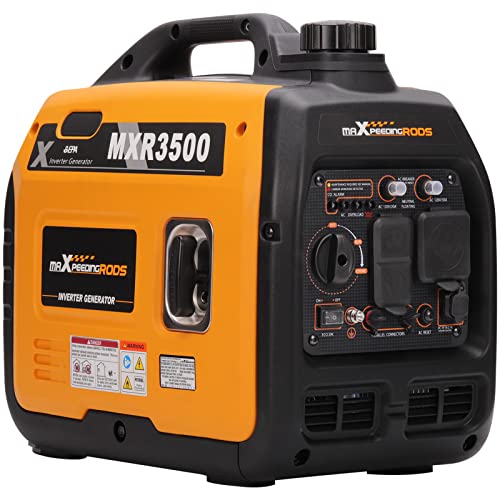
This model delivers 3500 peak watts and 3000 running watts, making it suitable for RV wiring and essential appliances during trips or outages. It’s designed for portability with a compact body and a weight around 47 pounds, enabling easy transport to campsites or storage in an RV bay. The unit includes 1 x 120V 30A RV outlet, 2 x 120V outlets, and 2 x 5V USB outlets, supporting diverse electronics and devices. Eco mode can extend runtime up to about 8.3 hours at 25% load, simplifying long camping sessions without frequent refueling. The generator’s compact form does not compromise versatility, making it a practical choice for small-to-mid-size RV setups.
MaXpeedingrods 3500 Watt Dual Fuel Inverter Generator
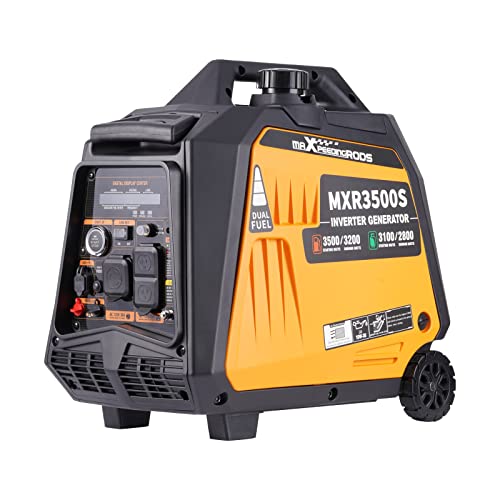
This dual-fuel inverter offers gasoline (3500 surge / 3200 rated watts) and propane (3100 surge / 2800 rated watts). Dual-fuel capability is advantageous for RV users who want fuel flexibility in varied environments. It supports easy starts via Remote Start, Electric Start, and Recoil Start, enabling quick power restoration after outages or at campsites. Runtime can reach approximately 11 hours on gas or 24 hours on LPG at 25% load, with comparable long runtimes at 50% load. External LPG tanks extend power windows beyond frequent refueling, making it a strong choice for longer stays or remote boondocking.
ERAYAK 4500W Dual-Fuel Portable Inverter Generator

Although marketed at 4500W peak, this unit offers dual-fuel operation (gas and propane) with dual-fuel flexibility for RV setups. It allows seamless fuel switching, auto-switching to gasoline when gas runs out to reduce downtime. Weighing around 54 pounds, the design prioritizes portability while delivering substantial power for RV air conditioners, microwaves, and other appliances on trips. Its compact footprint supports storage in smaller camp spaces or garages, and the dual-fuel capability supports emergency power during extended outages or camping trips.
3500 Watt Inverter Generator Portable by AFOERIT

This 3500-watt inverter generator emphasizes portability and quiet operation, with a typical running power around 3000 watts. AFOERIT emphasizes a lightweight approach with a handheld-friendly design for easy transport to campsites or campgrounds. The unit is suitable for powering essential RV appliances during a weekend trip or as a backup unit for smaller homes. Quiet operation improves campsite experiences and minimizes disturbances for neighbors and wildlife alike.
maXpeedingrods 4000 Watt Dual Fuel Inverter Generator

While labeled at 4000 peak, this dual-fuel inverter is a robust option for RV use, offering Bluetooth control, remote start, and a display for fuel, load, and runtime. It weighs approximately in the mid-range for RV-portable units and is designed to be RV-ready with suitable outlets and parallel capability. Bluetooth connectivity allows monitoring of power status via a smartphone app, helping maintain reliable performance during trips and emergencies.
Champion Power Equipment 4250-Watt Dual Fuel Portable

Champion’s 4250-watt dual-fuel open-frame inverter combines quiet operation with robust power. It includes a 120V 30A RV outlet, two 120V 20A outlets, and a 12V DC outlet with USB adapters, offering versatile connectivity for RVs and campsites. Economy Mode helps save fuel, and the unit promises extended runtime—up to 22 hours on gasoline for low-load scenarios. The design emphasizes durability for outdoor use and RV compatibility, with a focus on a balance of power and portability.
WEN 4800-Watt Portable Inverter Generator

WEN offers a higher-capacity inverter option with up to 4800 surge watts and 4000 running watts, suitable for RVs that need more headroom for air conditioners or heavy appliances. It delivers clean power to protect sensitive electronics and features an efficient 1.9-gallon tank with around seven hours of runtime at half load. The unit is designed to be RV-friendly, ensuring quieter operation and reliable performance during camping trips and emergency power scenarios.
Buying Guide: Key Purchase Considerations
When selecting a 3500-watt generator for RV use, consider these factors:
- Power needs: Assess essential appliances, such as air conditioning, heating, refrigerators, and lighting. Choose a model with sufficient running watts and a comfortable starting watt margin to handle startup surges.
- Fuel options: Gasoline-only units are common, but dual-fuel variants (gas/propane) offer flexibility in fuel availability, especially on longer trips or in areas with limited gasoline.
- Portability: Weight and size affect transport into RV storage spaces and campsite setups. Lighter models with integrated handles or wheels are easier to move.
- Noise: Inverter generators are typically quieter than traditional open-frame units. If you camp in proximity to others, consider decibel levels at a given load.
- Outlets and RV compatibility: Look for a dedicated 30A RV outlet, plus standard 120V outlets and USB ports for charging devices. Some units offer parallel capability for doubling capacity when needed.
- Fuel efficiency and runtime: Eco modes and efficient engines extend runtimes, reducing refueling frequency on longer trips or during power outages.
- Starting method: Remote, electric, or recoil starts can impact ease of use, especially in harsh weather or awkward locations.
- Maintenance and durability: Consider warranty, build quality, and user-replaceable parts to ensure longevity during frequent travel and camping.
For RV users, a balance between weight, runtime, and outlet versatility matters most. The models above provide options across this spectrum—from compact, lightweight units designed for easy transport to heavier-duty alternates offering longer runtimes and advanced features like Bluetooth monitoring and dual-fuel operation. When shopping, align a generator’s specifications with your RV’s power profile and campsite conditions to ensure reliable performance without over- or under-sizing.