
Choosing a 3000-watt generator involves balancing fuel type, runtime, portability, and noise. This guide highlights five options that deliver solid performance for camping, home backup, or job sites, including a diesel-powered model and versatile dual-fuel or solar alternatives. Each entry includes key specs, practical usage notes, and what to consider when comparing models for reliability, efficiency, and emissions.
| Product | Fuel Type | Wattage (Peak / Running) | |
|---|---|---|---|
| DK 3000W Dual Fuel Inverter Generator (DK3000iD) | Gas / LPG | 3000W / 2500W (gas); 2800W / 2300W (LPG) | Compact, parallel-ready, CO alert |
| DABBSSON 3000L Solar Generator | Solar (LiFePO4) | 3000W rated / 3600W P-Boost | Ultra-compact with multiple outlets |
| Honda EU3000IS1AN Inverter Generator | Gasoline | 3000W / 2800W | Quiet operation; CO-MINDER option |
| Powermate PM3000i Inverter Generator | Gasoline | 3000W (approx.) | Ultra-quiet with easy recoil start |
| ITACO Diesel Engine Generator (3.5KW class) | Diesel | Max around 3500W | Industrial-style diesel option |
DK 3000W Dual Fuel Inverter Generator (DK3000iD)

The DK3000iD is designed to balance portability with dependable power in the 2000–3000W range. The unit measures about 18.9 x 11.4 x 17.3 inches and weighs 45.2 pounds, making it easy to transport for outdoor activities. It supports dual-fuel operation, delivering 3000W peak and 2500W running on gasoline, with LPG peak of 2800W and running at 2300W. A built-in 1.0-gallon tank provides several hours of use at half-load. Its engine is a 145 cc OHV four-stroke, delivering strong performance for sustained loads. A CO alert feature adds safety for enclosed spaces.
Considerations include fuel availability, runtime at load, and the potential need for parallel operation with other units. This model is well-suited for RVs, camping, tailgating, and light outdoor power where quiet, portable, and flexible fueling options matter.
DABBSSON 3000L Solar Generator

The 3000L solar generator from Dabbsson provides 3072Wh of LiFePO4 capacity with six AC outlets and an RV-ready TT-30 port. It features a semi-solid battery design with a robust BMS, delivering P-Boost up to 3600W to handle demanding loads, and a runtime extension beyond 1.5 hours at higher outputs. Its weight and compact footprint are notable for a 3 kWh system, and it includes built-in protection layers, thermal control, and a safety-focused UL94-V0 fire-resistant shell. The solar-powered approach minimizes fuel needs and emissions while enabling flexible off-grid use.
Ideal scenarios include long-day outdoor projects, remote work sites, and home backup where quiet operation and multiple outlets are valued. It’s important to verify charge time, solar input compatibility, and whether the system supports pass-through charging for continued use during recharging.
Honda EU3000IS1AN 3000-Watt Inverter

The Honda EU3000IS1AN delivers reliable power with 3000 starting watts and 2800 running watts, driven by Honda’s dependable GX200 engine. The 3.4-gallon fuel tank provides extended runtimes, with reported operation around 10 hours at half-load. Notable is the CO Minder feature, which helps monitor carbon monoxide levels to enhance safety in enclosed spaces. At about 57 dBA at a distance, this unit targets quiet operation suitable for home backup, RV use, and camping. Its classic reliability makes it a widely trusted choice among 3 kW generators.
Honda Power Equipment EU3000IS

This Honda model also centers on 3000W output with a generous 3.4-gallon tank for long runs. It emphasizes efficient fuel consumption, achieving up to 20 hours of operation on a full tank in favorable conditions. The combination of power and endurance makes it a strong option for home backup and recreational use. Like the other Honda entry, it benefits from strong after-sales support and established dealer networks, along with proven ease of starting and operation.
Powermate PM3000i 3,000-Watt Inverter
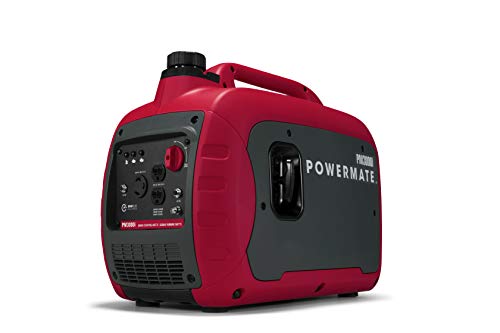
The Powermate PM3000i is designed for quiet, reliable power with a simple Powerdial recoil start. It uses a dependable engine and includes low-oil shutdown protection to prevent engine damage. The fully enclosed case helps reduce noise to suitable levels for residential and recreational use. This unit emphasizes user-friendly operation combined with stable power, ideal for campers, RVs, and small backup scenarios where noise and ease of use are important factors.
ITACO 3500W Diesel Engine Generator

The ITACO generator targets a diesel-powered option in the 3.5 kW range, appealing to users who prefer diesel for endurance and fuel efficiency on larger loads. It uses a GX-series-inspired gasoline engine note in the listing, but the product category presented is diesel-oriented, reflecting industrial-grade intent. Diesel units typically offer longer life and stronger torque, making them a good fit for continuous operation on job sites or in back-up roles where fuel availability and maintenance are considered. Assess diesel availability, maintenance requirements, and noise levels when considering this model.
Buying Guide: Key Purchase Considerations
Fuel type and availability should align with your use case. Dual-fuel and solar options offer flexibility and reduced downtime, while diesel models can excel in continuous-use scenarios with longer lifespans. For residential or camping uses, prioritize noise output (dBA at a practical distance), runtime at typical loads, and startup reliability in varying temperatures. Inverters provide cleaner power suitable for sensitive electronics, with improved fuel efficiency and lower noise compared to conventional generators.
Runtime and capacity matter: match the running wattage to the needs of your essential devices. If you plan to power devices simultaneously, verify the surge capacity and the number of outlets, including RV-specific outlets if you’re supporting an RV. For off-grid or remote sites, consider solar input, battery capacity, and recharging speed. Safety features—such as CO detectors, low-oil shutdown, and automatic fuel switching—enhance operation in typical environments like campsites or backup power scenarios.
Portability depends on weight, dimensions, and handle design. A lighter, compact unit improves mobility for camping, but ensure it still delivers the required continuous power. For home backup, a larger tank or longer runtime at half-load reduces frequent refueling. Verify warranty terms and the availability of local service centers to minimize downtime in case of maintenance needs.
Finally, consider future needs: a generator with parallel connection capability, additional outlets, or higher peak output can accommodate growing equipment sets. Compare total cost of ownership, including fuel efficiency, maintenance cycles, and potential resale value, to choose a model that remains viable as your power requirements evolve.