
Looking for reliable wood splitting tools that fit your needs and budget? This guide highlights five top options for American buyers, from traditional mauls to innovative kindling splitters. Each pick targets a different splitting scenario—daily firewood prep, rugged hardwood work, or quick kindling—so you can choose the best tool for your situation. The buyer intent focus helps you decide who benefits most: weekend campers, home wood-stackers, or family-safe beginners.
Overview of chosen products
| Product | Best For | Why It Stands Out |
|---|---|---|
| ESTWING Sure Split Wedge | Heavy-duty splitting with minimal effort | High-impact 5-lb wedge with fins for outward force; hand-sharpened edge for true contact |
| Fiskars 8 lb Splitting Maul | Medium to large logs, everyday use | IsoCore shock-absorbing handle; 36″ length for taller users; durable forged steel |
| Kindling Cracker XL Firewood Splitter | Safe, kids- and elder-friendly kindling | Cast iron safety ring; no blade; single-piece construction from Australia |
| KABIN Kindle Quick Log Splitter | Wide or long logs, quick kindling | No blade design; extra-wide mouth and stable base with anchor holes |
| Kindling Cracker Firewood Splitter (NZ/Australia) | Compact, safe kindling creation | Same safety ring concept; no blade; rugged cast iron |
ESTWING Sure Split Wedge – 5-Pound USA Made

Best for heavy-duty splitting where leverage is limited. The 5-pound build creates strong splits with each strike, making it suitable for seasoned users who deal with stubborn logs. The fins on each side add outward force to accelerate the separation of fibers, while the hand-sharpened base edge helps the wedge seat accurately in the wood groove. Best for: professionals or serious DIYers who routinely split tough logs and want efficient, repeatable results. Limitation: requires a sledge or maul to drive effectively, so this tool alone won’t handle very small sticks or kindling.
Fiskars 8 lb Splitting Maul

Best for medium to large logs with comfort and durability. The IsoCore shock-absorbing handle reduces vibration and hand fatigue, while the textured, non-slip grip improves control and reduces overstrike risk. A 36″ handle length suits taller users and helps maintain proper posture during splits. Best for: homeowners who split frequent, medium-to-large logs and want a reliable, long-lasting tool. Limitation: heavier weight may be taxing for small-framed users or shorter workers over extended sessions.
Kindling Cracker XL Firewood Splitter

Best for safe, beginner-friendly kindling without any axe. The 9″ cast iron safety ring keeps hands away from the splitting wedge, and the fixed wedge does the work with mallet taps. One solid piece of Australian cast iron minimizes maintenance and joints. Best for: families and beginners who want an easy, low-risk way to produce kindling. Limitation: designed primarily for kindling and small logs, not heavy-duty full-size firewood splitting.
KABIN Kindle Quick Log Splitter
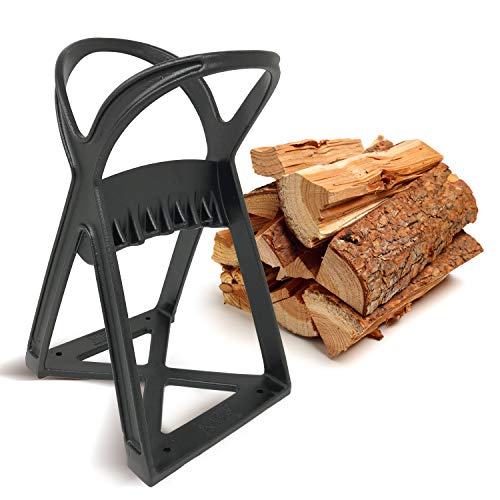
Best for long and thick logs with a blade-free design. The Kindle Quick design reduces fatigue and eliminates rolling blades, making it safer for multiple users. Extra-wide mouth accommodates larger diameters, and the anchored base provides stability for efficient splitting. Best for: homeowners who want a steady, safe approach to larger logs without using a traditional axe. Limitation: while safer, it may require more repeated taps for very tough logs compared with a steel wedge and maul combo.
Kindling Cracker Firewood Splitter — NZ/Australia

Best for compact, safe kindling with minimal effort. This original cast iron wedge uses a safety ring to keep hands away from the wedge. It is a proven solution for quick, small-diameter kindling or for users who prefer a hands-off splitting approach. Best for: households needing reliable kindling without an axe or heavy equipment. Limitation: less suitable for larger firewood logs or extensive heavy-duty use.
Buying Guide
- What type of wood will you split most often? For large hardwoods, a heavier maul or wedge (like the 5-pound ESTWING wedge or Fiskars maul) is typically more efficient, while if you mostly need kindling, a safe, blade-free option (Kindling Cracker variants or KABIN Kindle Quick) may be ideal.
- Do you work alone or with family? Tools with safety features (cast-iron rings, blade-free designs) reduce risk for beginners or casual users in family settings.
- Is stance and reach important? Longer handles improve leverage and reduce bending, but require more space. Shorter options can be more maneuverable in tight spaces.
- Maintenance and durability: Forged steel and one-piece construction offer longevity and fewer failure points compared to welded or cast-in sections.
- Portability and storage: Heftier wedges provide power but require heavier handling. Consider where you will store the tool and if you will transport it frequently.
FAQ
- What’s the main difference between a splitting maul and a wedge?
Mauls combine a heavy head with a wedge design to physically split logs on impact, while wedges focus splitting action by driving a wedge through the wood, typically with a sledge or mallet.
- Are blade-free kindling splitters safer for kids?
Yes. Tools like Kindling Cracker use a fixed wedge and a safety ring, keeping hands away from moving parts and blades, which reduces risk for inexperienced users.
- Which tool is best for very large logs?
Forged steel mauls and heavier wedges (8 lb or more) are generally better for big, tough logs due to greater impact force and deeper cuts per strike.
- Do these tools require accessories?
Many setups benefit from a sturdy hard surface or stump, a sledge for the wedge, or a mallet for kindling splitters. Some models include anchor bases for added stability.
- Can I use these tools without protective gear?
Protection such as safety glasses and gloves is recommended for all splitting tasks to guard against wood chips and accidental slips.