
Choosing the right roof underlayment is essential for protecting your home from moisture, wind-driven rain, and heat. This guide highlights five top underlayments, explaining who each product is best for and why it stands out. The listed options cover breathable barriers, self-adhering membranes, and long-warranty choices to fit different roof types and climates. Read on to identify the best fit for your project and budget.
| Product | Brand | Best For | Notes |
|---|---|---|---|
| Grip-Rite SL154250LWE | Grip-Rite | Budget-conscious DIYers needing wind resistance | Lightweight, strong, energy-efficient; 180-day UV tolerance |
| HURDEX Breathable Underlayment | AGROLIFE | Builders needing a 2-in-1 wall/roof barrier | 170 GSM, 6-month sun exposure, breathable yet waterproof |
| Tyvek Protec 200 Roof Underlayment | Tyvek | Code-compliant installations with long-term performance | Class A fire rating, 50-year warranty, code-approved |
| FT Synthetics Platinum HT-B | FT Synthetics | High-temp, self-adhering needs | 100% butyl, nail-sealable, UV resistant |
| HYDROSHIELD 50 Year | HYDROSHIELD | Long-term waterproofing with straightforward install | 50-year warranty, pre-printed nailing pattern |
Grip-Rite SL154250LWE Synthetic Roofing Underlayment

Best for budget-minded homeowners and DIY projects requiring a durable, wind-resistant layer beneath shingles. This synthetic underlayment is lighter and stronger than traditional felt, helping reduce labor and waste on rolls sized for typical residential roofs. Its polypropylene composition delivers tear resistance and a UV treatment that helps it endure sun exposure for up to 180 days, enabling faster roofing timelines. Choose this when you want a cost-effective, reliable secondary water shedding layer that performs well in moderate wind zones.
Caution: It is designed for temporary protection during construction and may not replace more robust membranes in extreme weather or long-term exposure scenarios. Consider pairing with a proper roof venting plan for best results.
HURDEX Breathable House Wrap & Roof Underlayment

Best for projects needing a versatile 2-in-1 barrier for walls and roof. The 170 GSM, three-layer construction blends a breathable layer with strong weather resistance, offering tear strength and UV stability up to six months. Its design supports moisture management by allowing vapor to escape while blocking wind-driven rain, making it suitable for tight crawlspaces and exposed roof edges. This option is especially helpful when timelines require a single product for both exterior walls and roof underlayment.
Better for: mixed-build sites where reducing inventory is valuable. Choose this if you want a single product for both walls and roof without sacrificing protection. Caution: Performance may wane if exposed for longer than half a year without protection or cover.
Tyvek Protec 200 Roof Underlayment

Best for code-driven installations seeking established code recognition and long-term performance. Tyvek Protec 200 carries a Class A fire rating and a 50-year warranty, with ICC-ES AC188 and Miami-Dade approval, signaling broad acceptance in residential roofing projects. It is designed to lay flat and resist wrinkles, helping crews achieve a clean, professional install. If your project requires verified compliance and a recognized brand, this underlayment is a solid choice.
Limitation: Higher price point and potentially stiffer handling compared with lighter felts or non-woven synthetics.
FT Synthetics Platinum HT-B Self-Adhering Underlayment

Best for high-temperature roofing or low-slope applications where self-adhering functionality is beneficial. This underlayment uses 100% butyl to form a strong bond with plywood or OSB, reducing the need for mechanical fasteners around vulnerable areas and enhancing wind uplift resistance. It is compatible with low-slope materials like EPDM and TPO, making it a versatile option for mixed roofing assemblies. Nail-sealable features align with ASTM D1970, aiding efficient installation.
Better for: roofs with potential water intrusion risks at joints or transitions. Limit: Self-adhering membranes can be more challenging to install on very hot days due to adhesive tack.
HYDROSHIELD 50 Year Synthetic Underlayment
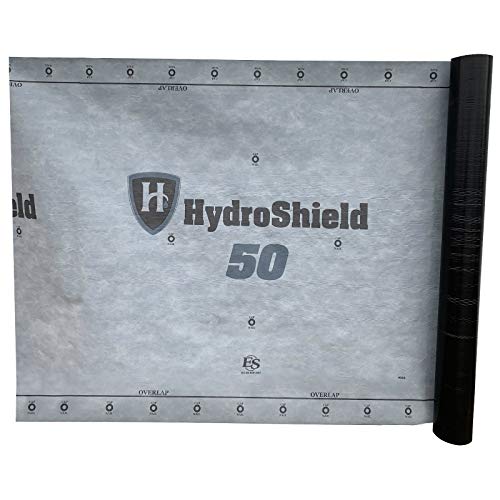
Best for homeowners seeking a long-term warranty with straightforward installation. The HydroShield underlayment is designed to shed water effectively, with a 50-year warranty indicating a long service expectation. It features a pre-printed nailing pattern and overlap lines to speed up installation and ensure consistent coverage across the roof deck. The roll size is 250 feet long, covering about 10 squares per roll, making it suitable for standard residential roofs. It is a reliable, non-adhesive option for durable moisture protection.
Limitation: Heavier and slightly more costly per square than some lighter-duty synthetics, potentially affecting handling on steep pitches.
Buying Guide: How to Choose The Right Roof Underlayment
What should you look for in roof underlayment?
Key factors include tear resistance, UV tolerance, weather resistance, and compatibility with your roofing type. Self-adhering membranes are beneficial on low-slope roofs, while non-adhering synthetics can be faster to install on steeper pitches.
Breathability vs waterproofing
Breathable barriers help moisture escape from the roof deck, reducing mold risk, but require a robust outer roof system to keep rain out. Non-breathable or self-adhering membranes often provide superior waterproofing at the expense of moisture venting, so choose based on climate and roof design.
Temperature exposure and climate
Some products tolerate extended sun exposure (UV) for several months, while others are intended for shorter construction phases. In hot climates, select a membrane with strong UV resistance and adhesive stability.
Compatibility with roof systems
Not all underlayments pair with every roofing material. Check if the product is recommended for shingles, metal, tile, or EPDM/TPO systems to ensure a reliable seal and installation.
Installation considerations
Consider whether you want a lighter, easier-to-hand-manage roll or a self-adhering option that reduces fastener requirements. Also evaluate whether a dual-use product (for walls and roof) can simplify your project logistics.
Warranty and code approvals
Warranty length and code approvals (ICC-ES AC188, Miami-Dade, etc.) can influence long-term performance and compliance in your area. Longer warranties can offer peace of mind for high-risk regions.
Practical decision framework
- Low-slope roofs or areas with high wind: consider self-adhering or high-tensile synthetics.
- Storm-prone regions: prioritize waterproofing and UV resistance with proven warranties.
- Budget constraints: evaluate cost-per-square-foot of coverage and installation time savings.
Frequently asked questions
- Do I need roof underlayment? Yes, it provides a secondary waterproof layer and moisture management, protecting the roof deck before shingles are installed.
- What is the difference between self-adhering and non-adhering underlayment? Self-adhering membranes stick to the deck and are easier on wind-prone roofs, while non-adhering options require fasteners and provide different installation dynamics.
- How long can underlayment be exposed to sunlight? Depending on the product, UV exposure tolerance ranges from about 60 days to several months; follow product guidelines for your climate and install schedule.
- Is higher weight always better? Not necessarily. Heavier rolls may offer more durability but can be harder to handle. Choose based on roof type and installation crew capabilities.
- What warranty should I expect? Look for warranties that align with your roof’s expected life and local weather conditions; longer warranties often reflect more robust protection.
- Can underlayment be used on all roof types? Most are designed for a range of materials, but always verify compatibility with shingles, metal, EPDM, or TPO systems in your project specs.