
Answering the question “which thinset is best for large porcelain tile” with reliable, build-grade options. This guide highlights five top products that deliver strong bonding, long-term performance, and practical use for large-format porcelain tile projects. Ideal buyers include DIY homeowners tackling a kitchen backsplash or bathroom wall, contractors installing large porcelain flooring, and renovators needing reliable, low-maintenance mortars for high-traffic areas. A quick comparison overview follows, helping you choose based on tile size, setting needs, and installation environment.
Summary of selected products:
| Product | Best For | Key Benefit | Type |
|---|---|---|---|
| Daltile Florentine 12″ x 12″ Glazed Porcelain Tile | Large porcelain floors and walls | High gloss, Reveal Imaging visuals | Thinset Mortar (not specified here) |
| MSI Indigo Encaustic 8×8 Porcelain Wall Tile | Bathroom/kitchen backsplashes | Matte finish with reliable porcelain strength | Thinset compatibility implied |
| VersaBond Professional Thinset Tile Mortar – Grey | Standard porcelain tile projects | Good bonding strength for most installations | Professional thin-set mortar |
| Ardex X 5 Flexible and Versatile Tile & Stone Thin-set Mortar (White) | Large format/heavy tile and stone | Flexibility for movement and up to 3/4″ notch trowel | Flexible thin-set |
| MSI Zenzibar Encaustic 8×8 Matte Porcelain Tile | Decorative porcelain walls and floors | Matte finish with durable porcelain | Thinset compatibility implied |
Daltile Florentine 12″ X 12″ Glazed Porcelain Tile
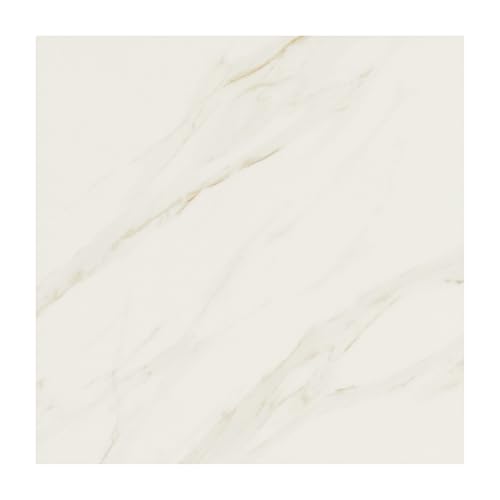
Best For: Large porcelain tile installations where a marble-like appearance and durable surface matter. This tile line emphasizes high visual impact and easy maintenance in busy areas.
Why selected: The Florentine line uses a glazed porcelain surface with high gloss visuals, suitable for floors or walls in areas demanding low maintenance and long-term durability. It pairs well with standard thinset mortars for solid bonding across large sheets.
Caution/limitation: For best performance, ensure proper substrate prep and a compatible thinset used at the correct notch size and coverage per tile size.
MSI Indigo Encaustic 8×8 Porcelain Wall Tile

Best For: Porcelain wall or backsplash projects where a vibrant encaustic look is desired with consistent porcelain performance.
Why selected: This MSI tile combines porcelain reliability with a striking visual pattern, making it a strong fit for decorative applications behind sinks or feature walls. Best used with a standard thinset that supports porcelain bonding and a suitable grout choice.
Caution/limitation: Visual variation in pattern should be considered when planning layout; ensure you select a thinset compatible with large-format porcelain if mounting adjacent panels.
VersaBond Professional Thinset Tile Mortar – Grey

Best For: Everyday porcelain tile installations where consistency and strong adhesion are required for floors or walls.
Why selected: VersaBond is a well-known professional-grade thinset mortar suitable for many standard porcelain tile projects, offering reliable bonding strength for large-format tiles when mixed and applied per manufacturer instructions.
Caution/limitation: Not all large-format porcelain scenarios require flexible mortars; verify substrate movement and field requirements before use.
Ardex X 5 Flexible and Versatile Tile & Stone Thin-set Mortar (White)

Best For: Large format and heavy tile and stone applications, including thick-set installations with movement considerations.
Why selected: Ardex X 5 is designed to accommodate large porcelain formats and heavy tile with flexible performance, supporting movement up to substantial tolerances and up to a 3/4″ notch trowel as needed for proper coverage and bonding.
Caution/limitation: Ensure your substrate is well prepared and that the proper trowel size is selected for large-format porcelain to achieve full bond and avoid voids.
MSI 6 in. x 16 in. Brown Rustic Modern Fluted Porcelain Tile

Best For: Wall installations with a rustic aesthetic or accent floors where porcelain durability matters.
Why selected: This MSI tile provides a durable porcelain surface with a matte finish and high variation in tone, which can benefit from a strong thinset with good moisture resistance in indoor settings.
Caution/limitation: Match the tile’s installation area with a compatible thinset and grout system to optimize long-term performance in varying humidity conditions.
Buying Guide: Key Considerations For Large Porcelain Tile Installations
- Tile format and weight: Large porcelain tiles demand strong, flexible bonding to prevent lippage and cracking. Choose thinset mortars designed for large formats and heavy tiles.
- Substrate and environment: For bathrooms, kitchens, or outdoor areas, select mortars with suitable moisture resistance and cure characteristics. Consider interior vs. exterior exposure and load.
- Open vs. closed time: Large tiles benefit from mortars with appropriate pot life and open time to ensure full coverage and adhesive contact.
- Flexibility: Flexible thinsets help absorb substrate movement, reducing the risk of cracks in large-format installations and stone-like surfaces.
- Porcelain-specific bonding: Porcelain has low porosity; ensure the mortar is formulated for porcelain benches and glue strength for a durable bond over long periods.
- Notch trowel compatibility: Follow tile size guidance for notch depth; larger tiles typically require wider notches to achieve full coverage, especially on floors.
Frequently Asked Questions
- What thinset is best for large porcelain tile?
Ans: Look for a professional-grade mortar labeled for porcelain and large-format tile installations, with flex and bond strength suitable for your tile size and substrate. - Can I use patch or adhesive kits for porcelain tiles?
Ans: Adhesive kits may be suitable for small repairs or pool tiles, but for large porcelain tile installations, a dedicated thinset mortar is recommended. - Do I need a flexible thinset for porcelain tiles?
Ans: For large-format or heavy tiles, flexible mortars help accommodate movement and reduce the risk of cracks. - Is a white thinset better for light-colored porcelain?
Ans: White mortars are often preferred for light-colored tiles to prevent visible darkening or shading through the grout line. - How do I prepare a substrate for large porcelain tile?
Ans: Ensure a clean, level substrate, proper moisture barriers, and dry times; consult product instructions for substrate prep requirements. - Should I use the same thinset for walls and floors?
Ans: In many cases, the same thinset can be used for both, but verify manufacturer recommendations for each tile application and substrate condition.