
Metal roof installations benefit from thin-film solar panels that are lighter, flexible, and easier to mount without penetrating the roof. This guide reviews top thin-film options from reputable brands, emphasizing flexibility, ease of installation, durability, and efficiency. The selections below are suitable for RVs, boats, cabins, and residential metal roofs, with a focus on performance in varied light conditions and weather tolerance.
| Product | Brand | Key Benefit | Surface Fit |
|---|---|---|---|
| BougeRV Flexible Solar Panel Tape | BougeRV | Strong adhesion and easy cut-and-paste installation | Flexible panels on smooth surfaces |
| SUNRICH ENERGY 80W CIGS Panel | SUNRICH ENERGY | High-efficiency CIGS with roof-friendly integration | Low-profile, frame-free |
| Renogy ShadowFlux 400W Panels | Renogy | Anti-shading tech for shaded conditions | Rooftop or marine installations |
| Renogy 100W Flexible Panel | Renogy | Ultra-flexible, lightweight, easy mounting | Curved or uneven surfaces |
| ECO-WORTHY 130W Flexible Panel | ECO-WORTHY | Higher power in a flexible, lightweight form | RVs, boats, curved surfaces |
The table above highlights five thin-film options that pair well with metal roofs. Each product supports non-penetrating installation approaches, reduced weight, and resilient performance in variable weather. Read on for in-depth sections on each option, followed by a practical buying guide to help you compare features, durability, and installation needs.
BougeRV Tape for Flexible Panels

BougeRV offers a wide compatibility butyl rubber tape designed for mounting flexible solar panels, including CIGS and other thin-film modules. The tape comes in a long roll (32.8 feet) that can cover multiple panels, enabling installation on RVs, boats, or flat-to-slightly-curved metal surfaces. It is praised for strong adhesion and corrosion resistance, supporting a cohesive seal against moisture. Caution is advised to apply on smooth surfaces to maximize bond longevity; uneven or textured metal surfaces may require surface preparation for optimal results. The tape’s waterproof properties help maintain panel performance in rain and humidity.
Key features include easy customization—cut and paste as needed—and high adhesion across common substrate materials. For metal-roof projects, ensure the mounting area is clean and dry before application, and consider the need for additional sealing around edges if the panel experiences wind uplift or vibration.
SUNRICH ENERGY 80W CIGS Flexible Panel

SUNRICH ENERGY’s 80W CIGS flexible panel is designed for roof integration without glass and metal framing. The CIGS technology delivers strong light absorption and shade tolerance, making it a steady option for metal roofs exposed to partial sun or reflective surfaces. The panel’s low-profile design reduces wind lift and maintains a discreet appearance on curved or irregular rooflines. Its lack of a traditional frame helps with mounting on tighter curves and non-penetrating installations, while the flexible construction accommodates slight surface irregularities.
This option emphasizes roof compatibility and durability, including resilience against hail and impact. It is suitable for RVs, cabins, boats, and compact roof spaces where a lightweight, non-penetrating approach is advantageous. Regular maintenance should focus on keeping the mounting area clean and rechecking adhesive integrity in extreme weather cycles.
Renogy ShadowFlux 400W Panels

Renogy’s 400W set uses ShadowFlux anti-shading technology, designed to maximize output in partially shaded environments. The panels employ advanced N-Type cells with 16BB technology, delivering up to 25% efficiency while mitigating hot spots and micro-cracks that can reduce long-term lifespan. The compact and lighter design makes it easier to install on rooftops or marine surfaces without extensive structural upgrades. While most suitable for larger installations, these panels are a strong option when metal roofs require high power density and reliable performance in uneven light conditions.
Rugged construction supports rooftop exposure and harsh weather. Proper installation should consider venting and cable management to minimize wind resistance and ensure stable electrical performance. The ShadowFlux approach helps reduce shading losses, but optimal results still rely on placement strategy and array layout for full roof coverage.
Renogy 100W Flexible Panel
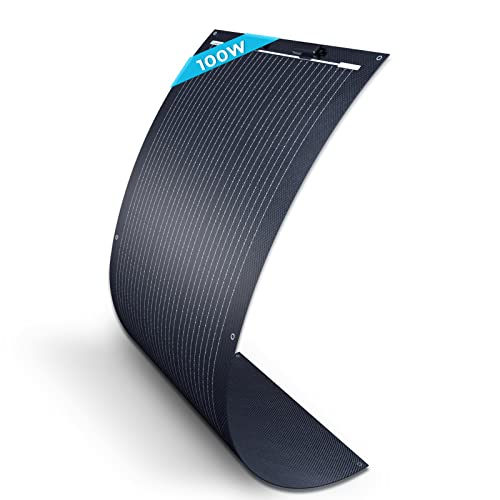
Renogy’s 100W flexible panel is a versatile option for curved metal roof surfaces. It weighs roughly a third of rigid panels and features a fully flexible, all-black aesthetic with a glare-free appearance. The panel supports installation on non-flat surfaces and reduces wind load thanks to its ultra-low profile. Half-cut PERC cell technology enhances light capture and electrical performance, providing better energy yield in varied sun exposure. It is especially suitable for smaller roof sections or where weight and concealment are critical.
Performance depends on sun availability and mounting quality. For metal roofs, verify surface cleanliness, use compatible adhesives, and consider heat dissipation—flexible panels can heat up more than rigid ones in direct sun, potentially affecting efficiency. Regular inspections help ensure adhesives remain intact over time.
ECO-WORTHY 130W Flexible Panel

ECO-WORTHY’s 130W flexible panel emphasizes high efficiency and rugged durability. The panel is designed for RVs, boats, cabins, and curved roof surfaces, delivering up to 130W of power with a lightweight, waterproof configuration. It uses lightweight polymer construction to reduce overall weight by a substantial margin compared to traditional glass panels. The product emphasizes surface adaptability and ease of installation on irregular surfaces without penetrating the roof, aligning with metal roof applications where a low-profile, fast-molution mounting is preferred.
Notable features include pre-drilled installation holes and multiple fastening options (adhesive, silicone, double-sided tape, cable ties, or Velcro) for non-permanent setups. Users should plan for appropriate sealant and edge protection, especially on metal roofs where water runoff can challenge adhesive longevity. Regular inspection of adhesives and edge seals improves long-term performance.
Buying Guide: Key Purchase Considerations
- Flexibility and surface compatibility: For metal roofs, prioritize panels that are designed to bend or conform to curved surfaces and that avoid penetrating the roof. Non-penetrating mounting methods reduce common roof leaks.
- Efficiency and performance under shade: Shadow-tolerant and high-efficiency options help maintain energy output on reflective metal surfaces or shaded spots caused by nearby structures.
- Weight and thickness: Lighter, ultra-thin panels are advantageous for metal roofs prone to wind lift or when roof load limits are a concern. Flexibility should balance with durability for long-term use.
- Adhesive and mounting method: Consider the availability of weatherproof adhesives, tapes, and edge-sealing solutions. Ensure proper surface preparation for reliable adhesion on metal.
- Durability and weather resistance: Panels should withstand hail, UV exposure, and temperature fluctuations common on metal roofs. Look for UV stability and robust back sheets or laminates.
- Maintenance and lifespan: Evaluate warranties, expected lifespan, and ease of cleaning. Panels with lower maintenance needs are preferable for hard-to-reach roof installations.
- Installation scope and compatibility: Ensure the panel size is appropriate for the roof area and that wiring compatibility with charge controllers and storage systems is considered.
When selecting thin-film panels for metal roofs, compare how each option handles wind load, water runoff, and surface preparation requirements. A well-planned installation with appropriate sealants and mounting materials helps maximize performance and longevity while keeping installation non-invasive to the roof structure.
In advancing rooftop solar with metal surfaces, consider combining several panels to reach the desired wattage, while ensuring the overall array layout minimizes shading and optimizes sun exposure. Always follow the manufacturer’s installation guidelines and local building codes for best results.