
Choosing the right surfacing router bit can dramatically improve the flatness and finish of spoilboards, slabs, and large work surfaces. This guide highlights five top-rated options, comparing shank sizes, cutting diameters, and insert configurations. Each pick emphasizes durability, ease of use, and precision for professional or hobbyist shops. Read on to compare features and make an informed selection for demanding woodworking tasks.
| Product | Brand | Shank | Cut Diameter | Notable Feature |
|---|---|---|---|---|
| CNC Spoilboard Surfacing Router Bit, 1/2″ Shank, 2″ Dia | BINSTAK | 1/2″ | 2″ | Carbide, 3 wings, anti-kickback |
| Slab Flattening Router Bit, 1/2″ Shank, 2″ Dia, 6-Wing | SICWOOD | 1/2″ | 2″ | Replaceable carbide inserts, 6-wing |
| CNC Spoilboard Surfacing Bit, 1/4″ Shank, 1-1/2″ Dia | BINSTAK | 1/4″ | 1-1/2″ | Carbide inserts, 4-edge edge reuse |
| POWERTEC Slab Flattening Bit, 1/4″ Shank, 2″ Dia | POWERTEC | 1/4″ | 2″ | Tungsten carbide, anti-kickback |
| SpeTool 2+2 Flute Slab Flattening Bit, 1/4″ Shank, 1-1/4″ Dia | SpeTool | 1/4″ | 1-1/4″ | ATS coating, replaceable inserts |
Below are five detailed product sections to help compare performance, durability, and versatility for spoilboard surfacing and large-scale planing tasks.
BINSTAK CNC Spoilboard Surfacing Bit, 1/2″ Shank

Overview: This carbide-tipped bit combines a 1/2″ shank with a 2″ cutting diameter and a 1/2″ cut length. The design emphasizes durability for heavy-duty wood milling and planing tasks. The anti-kickback body and heat-resistant coating help maintain clean cuts when resurfacing spoilboards or leveling slabs.
Key features: Three-wing geometry supports stable, flat surfaces; carbide tips provide long-lasting cutting edges; the coating reduces resin buildup for easier cleanup. Intended use includes spoilboard flattening, top-surface planing, trimming, and slotting.
SICWOOD Slab Flattening Router Bit, 6-Wing, 2″ Dia
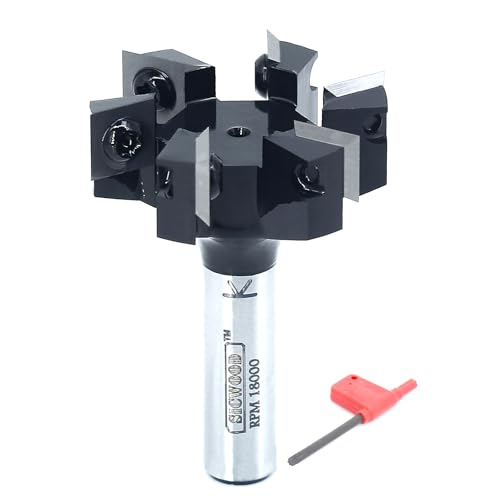
Overview: A 1/2″ shank with a 2″ cutting diameter and 6 wings, designed for precise, smooth flattening. Carbide inserts enable long tool life with replaceable edges, reducing overall cost per cut during extensive spoilboard work.
Key features: Replaceable 4-sided carbide inserts; high-hardness blade; smooth cutting action for flattening, planing, and refinishing wood surfaces. The tool targets professional-grade spoilboard surfacing and slab leveling.
BINSTAK CNC Spoilboard Bit, 1/4″ Shank, 1-1/2″ Dia

Overview: A lightweight 1/4″ shank setup with a large 1-1/2″ cutting diameter, ideal for rapid surface leveling across wide boards. The carbide-tipped bit is paired with a hardened steel body and anti-kickback design to promote safe, stable operation.
Key features: 2+2 design with solid carbide inserts; long-lasting cutting edges; suited for surfacing, planing, and slotting in woodworking projects that require wide-area flattening.
POWERTEC Slab Flattening Router Bit, 2″ Dia

Overview: A CNC-grade bit built for durability and precision, featuring a solid hardened steel body and tungsten carbide tips. Anti-kickback design and a 2″ cutting diameter make it well-suited for flattening large surfaces, trimming, dadoing, and slotting tasks.
Key features: High-quality materials; robust anti-kickback mechanism; wide cutting diameter suitable for spoilboards and large slabs; 1/4″ shank compatibility with common routers.
BINSTAK CNC Spoilboard Bit, 1/4″ Shank, 1-3/8″ Dia

Overview: This 1/4″ shank bit features a 1-3/8″ cutting diameter with a 2+2 inserts carbide design for balanced operation. The tool aims to maximize efficiency for flatting large work surfaces while maintaining edge longevity through replaceable inserts.
Key features: 12×12 mm carbide inserts; 4-edge use; anti-kickback body; cost-effective replaceable inserts versus brazed or solid bits.
SpeTool 2+2 Flute Slab Flattening Bit, 1/4″ Shank

Overview: A 1-1/4″ cutting diameter with 1/4″ shank and 2+2 carbide inserts. ATS coating is designed to extend life, delivering longer-lasting performance for heavy-duty slab flattening and spoilboard surfacing.
Key features: 2+2 inserts; replaceable carbide edges; ATS coating for extended wear resistance; suitable for MDF, softwood, and hardwood applications where flatness is critical.
Whiteside 6210 CNC Spoilboard Surfacing Bit, 1/4″ Shank
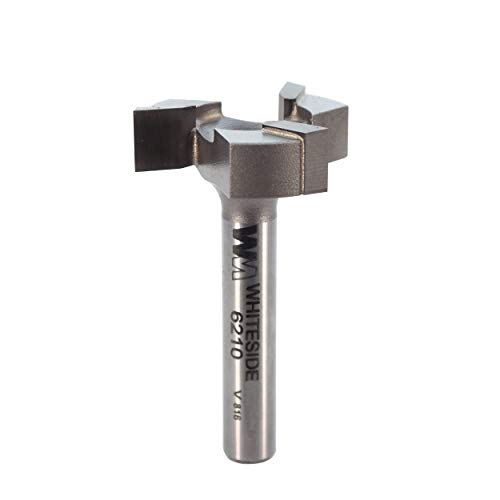
Overview: This three-flute carbide-tipped bit uses a 1″ cut diameter and a 1/4″ cutting length with a 1/4″ shank. It is designed for smooth finishes on spoilboards and wood slabs, delivering quality surface prep for precise planing work.
Key features: Three-flute geometry for clean finishes; compatible with 1/4″ collets; aimed at flattening and resurfacing tasks with repeatable results.
Buying Guide: Surfacing Router Bits
When choosing a spoilboard or slab-flattening router bit, consider the following factors to match your workflow and materials:
- Shank size: Larger shanks (1/2″ or 1/4″) offer greater rigidity and power handling; smaller shanks fit compact routers and lighter tasks.
- Cut diameter and depth: Bigger diameters remove material faster but require stable setups. Check the maximum cutting depth to avoid chatter or burns.
- Material and inserts: Solid carbide bits deliver long life but can be more costly; insert-based designs enable edge replacement and lower ongoing costs.
- Anti-kickback design: Reduces walking and improves safety during heavy material removal and deep passes.
- Coatings and resin buildup: Coatings (like Teflon or ATS) help resin release and ease cleaning, important for work with resin-rich woods.
- Compatibility: Ensure the bit matches your router’s collet size and RPM range; verify recommended RPM and feed rates for your material.
- Intended tasks: Planing, surface resurfacing, trimming, slots, and dados—all options covered by these bits. Choose a bit optimized for the most frequent task in your shop.
In summary, the five selections cover a range of common setups: versatile 2″ dia bits for broad surfaces, replaceable-insert designs for cost efficiency, and different shank sizes to fit your equipment. For routine spoilboard work, consider a mix of larger-diameter carbide inserts for fast material removal and insert-based options for long-term edge economy. Always follow manufacturer guidelines for RPM, feed rates, and safety practices to achieve consistent, flat results.